






The Beatles' 1968 self-titled double album, universally known as the "White Album," represented a significant shift in the band's musical direction and production approach. Following the intricate studio innovations of *Revolver* and *Sgt. Pepper's Lonely Hearts Club Band*, the White Album embraced a more scaled-down, less reliant-on-studio-effects aesthetic. This change was partly influenced by the circumstances of its creation, with many songs initially
conceived acoustically, and partly by a conscious decision to break from their previous tradition of blending multiple musical styles within a single song. The album instead featured tracks that remained consistently faithful to a select genre, showcasing a diverse yet distinct collection of individual artistic statements.
The Acoustic Genesis and Production Aesthetic
Many of the White Album's 30 songs were written during a Transcendental Meditation course in Rishikesh, India, where the acoustic guitar was the only Western instrument available to the band. This foundational acoustic nature carried over into the final recordings, with several songs remaining acoustic, performed solo, or by only part of the group. This approach contributed to a production aesthetic that was notably scaled down and less dependent on the elaborate studio innovation that had characterized their releases since *Revolver*.Author Nicholas Schaffner views this acoustic slant as reflective of a broader departure from the LSD-inspired psychedelia of 1967, a trend initiated by artists like Bob Dylan and the Beach Boys and adopted by others in 1968. Edwin Faust of *Stylus Magazine* described the White Album as "foremost an album about musical purity." He noted that while previous Beatles albums often mixed several musical genres into one song, on the White Album, each track remained faithful to its chosen genre: rock and roll tracks were purely rock and roll, folk songs purely folk, surreal pop numbers purely surreal pop, and experimental pieces purely experimental. This commitment to genre purity marked a distinct evolution in their songwriting and arrangement.
Recording Innovations and Studio Practices
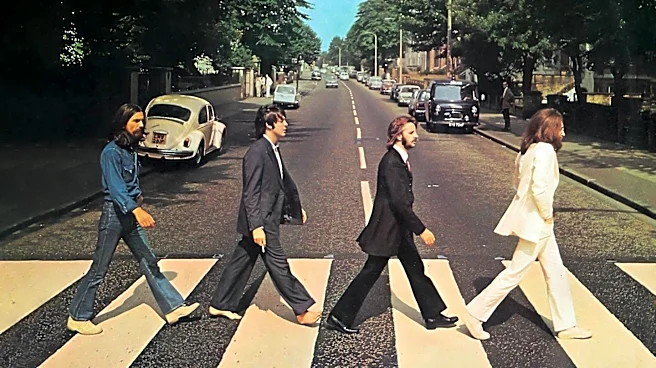
The recording sessions for the White Album, primarily held at Abbey Road Studios and some at Trident Studios between May and October 1968, saw the band adopt new technical capabilities. A significant upgrade was the transition from 4-track to 8-track recording. Although Abbey Road Studios possessed an 8-track machine, it had been sitting unused for months due to EMI's policy of extensive testing before deployment. The Beatles, having recorded "Hey Jude" and "Dear Prudence" at Trident Studios which already had an 8-track console, insisted on using EMI's machine. Engineers Ken Scott and Dave Harries installed the 8-track machine in Abbey Road's Studio 2 without official studio management authorization, highlighting the band's growing influence and desire for cutting-edge technology.The open-ended studio time block-booked at Abbey Road through July also led to a new way of working. Instead of tightly rehearsing backing tracks as in previous sessions, the group recorded all rehearsals and jamming, then added overdubs to the best take. This more fluid and experimental approach to recording allowed for greater spontaneity but also contributed to the fragmented nature of the album, as only 16 of the 30 tracks featured all four band members performing. Many backing tracks did not include the full group, and overdubs were often performed by the songwriter of the particular track, with McCartney and Lennon sometimes recording simultaneously in different studios with different engineers.
The Unique Mixing and Album Structure
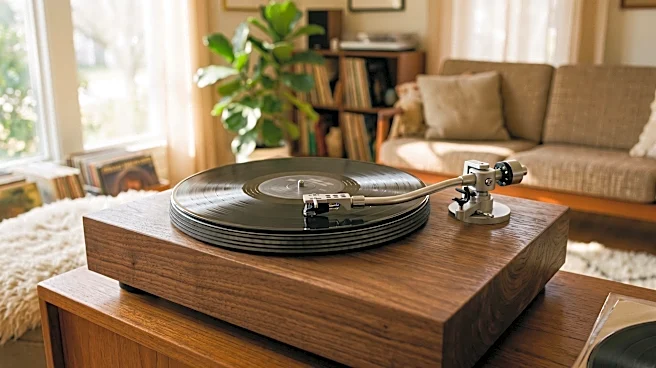
The White Album was the last Beatles album to be mixed separately for stereo and mono, a decision influenced by fan mail indicating that listeners were buying both versions of earlier albums. This led the band to intentionally make the two mixes distinct. Several tracks feature different lengths, missing or altered overdubs, or unique effects between the mono and stereo versions. For example, the mono mix of "Helter Skelter" eliminates the fade-in at the end and Starr's ending scream, while the fade-out of "Yer Blues" is 11 seconds longer on the mono mix.In the United States, mono records were already being phased out, making the US release of the White Album the first Beatles LP to be issued in stereo only. In the UK, their subsequent album, *Yellow Submarine*, was the last to be issued in mono. The final mixing and sequencing for the White Album involved the band's first and only 24-hour session at Abbey Road, attended by Lennon, McCartney, and George Martin. Unlike most LPs, there was no customary three-second gap between tracks; the master was edited so that songs segued together via straight edits, crossfades, or incidental pieces of music, creating a continuous listening experience that further emphasized its unique structure and artistic intent.