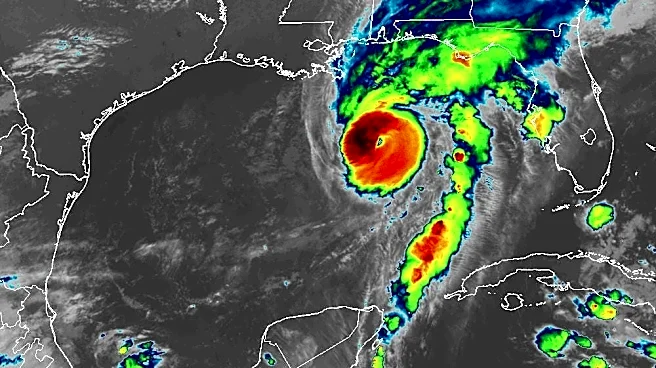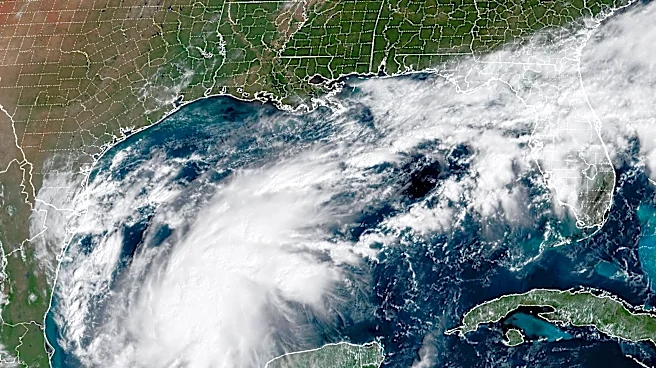







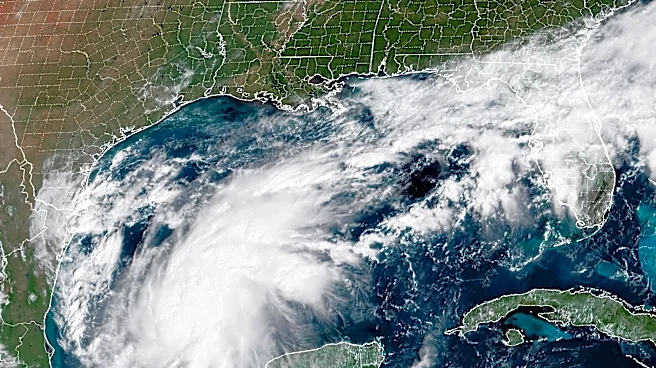


Hurricane Michael, a Category 5 storm that made landfall in the Florida Panhandle in October 2018, left behind a trail of immense destruction and a significant human and economic toll. The storm's impact extended far beyond the immediate coastal areas, affecting multiple regions and incurring billions of dollars in damages, alongside a tragic loss of life. Understanding the full scope of these costs provides a stark reminder of the devastating power
of such natural disasters.
Widespread Fatalities and Displacement
The human cost of Hurricane Michael was substantial, with at least 74 deaths attributed to the storm. Of these, 59 occurred in the United States, while 15 were reported in Central America, where the system originated as a tropical disturbance. These fatalities underscore the broad reach of the storm's influence, from its early stages causing extensive flooding in Central America to its powerful landfall in the U.S. The immediate aftermath saw widespread displacement and disruption to daily life for countless individuals.
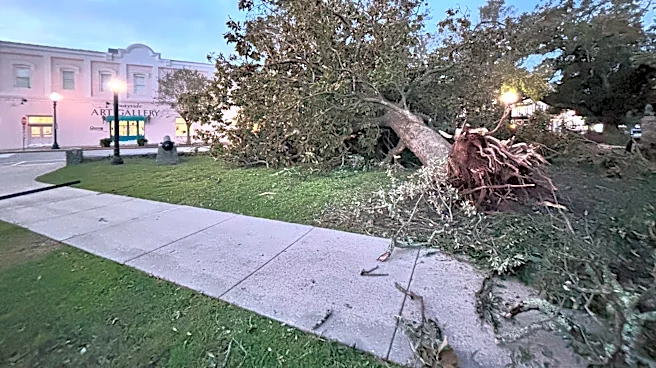
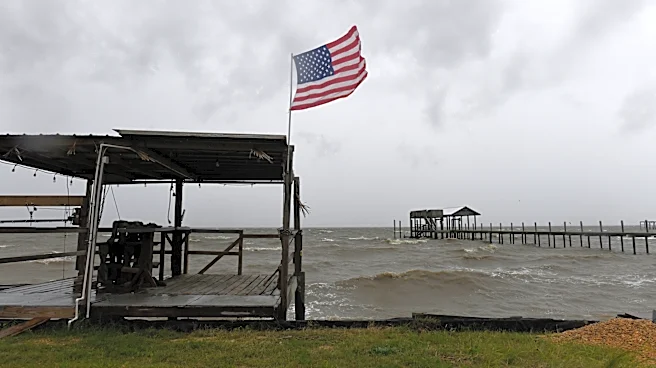
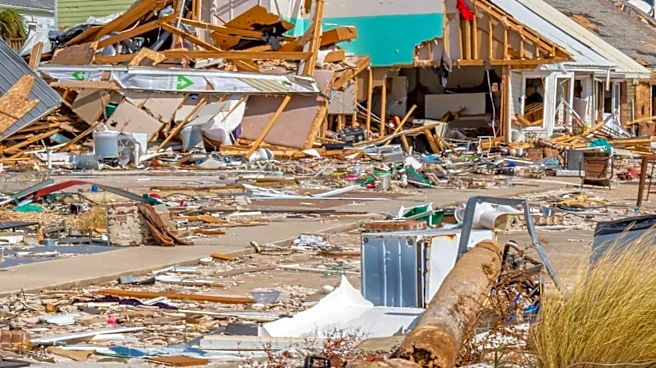
In Cuba, as the storm passed to the island's west, its winds left over 200,000 people without power, highlighting the vulnerability of infrastructure even to the periphery of such a powerful system. Along the Florida Panhandle, where Michael made landfall, the extreme winds and storm surge caused catastrophic damage, flattening numerous homes and felling trees over a wide swath of the region. The sheer scale of the destruction meant that many residents lost their homes and livelihoods, contributing to the indirect human impact of the hurricane.
Billions in Economic Losses
The financial impact of Hurricane Michael was staggering, with estimated total damages reaching $25.1 billion (2018 USD). This figure encompasses a wide range of losses across various sectors and regions. In Central America, economic losses were estimated at $100 million, primarily due to extensive flooding caused by the tropical disturbance that preceded Michael's intensification.
In the United States, the damage was particularly severe. Florida alone experienced an estimated $18.4 billion in statewide economic damage. A significant portion of this was concentrated in the areas directly hit by the Category 5 storm. For instance, Tyndall Air Force Base suffered catastrophic damage, including an estimated $6 billion replacement cost for U.S. fighter jets. This single item represents a substantial portion of the overall damage, illustrating the high value of assets vulnerable to such powerful storms.
Agricultural Devastation and Insurance Claims
Beyond infrastructure and military assets, Hurricane Michael inflicted severe damage on the agricultural sector. Losses to agriculture alone exceeded $3.87 billion, impacting a vital part of the regional economy. This widespread agricultural devastation had long-term consequences for farmers and related industries. The sheer scale of the damage also led to a massive influx of insurance claims, with at least $6.23 billion in insurance claims filed in the U.S.
The combination of direct property damage, agricultural losses, and the cost of replacing critical infrastructure like military equipment contributed to Michael becoming one of the costliest hurricanes in U.S. history. The extensive power outages across the Southeastern United States as Michael tracked inland further compounded the economic disruption, affecting businesses and daily life for millions. The recovery efforts in the wake of such widespread destruction were, and continue to be, a monumental undertaking, underscoring the profound and lasting economic and human toll of Hurricane Michael.