
Singapore, a city-state known for its urbanization and economic prowess, is also committed to addressing environmental challenges and climate change. With its low-lying coastline and tropical climate,
Singapore faces unique environmental issues that require innovative solutions. This article explores Singapore's initiatives to tackle these challenges and promote sustainability.
Climate Change and Rising Sea Levels
Singapore recognizes the significant impact of climate change and rising sea levels on its low-lying coastline. The government estimates that it will need to spend $100 billion over the next century to address these issues. In its 2020 budget, Singapore set aside $5 billion for a Coastline and Flood Protection Fund, demonstrating its commitment to safeguarding its coastal areas.
In 2026, Singapore introduced a bill requiring landowners along the coastline to implement or upgrade coastal defenses. This proactive approach aims to protect against rising sea levels and ensure the long-term resilience of the city-state.
Renewable Energy and Carbon Tax
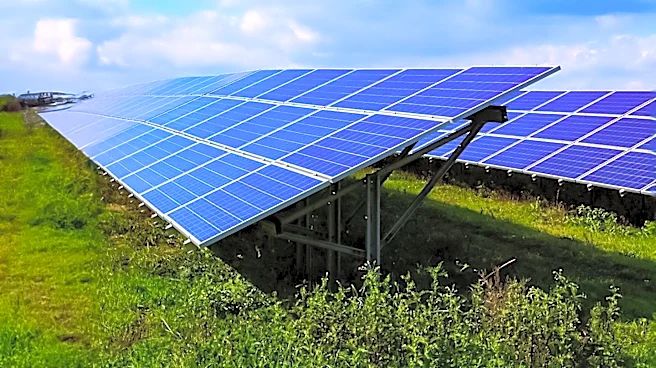
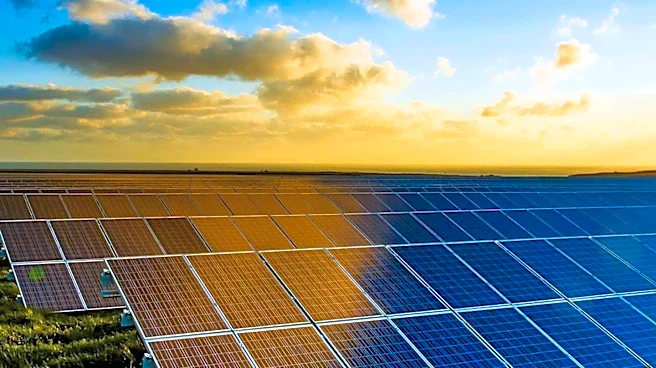
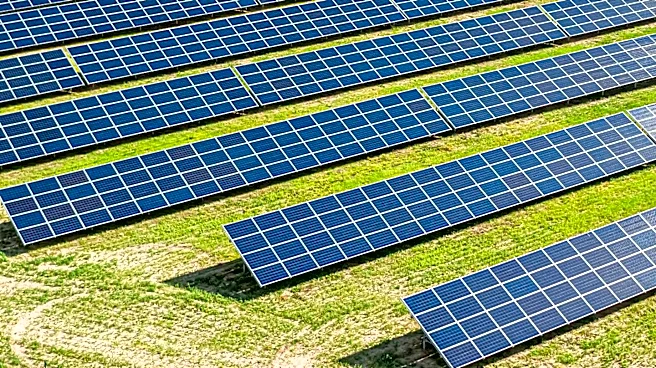
To reduce its dependence on fossil fuels, Singapore has ramped up the deployment of solar panels on rooftops and vertical surfaces of buildings. One of the world's largest floating solar farms is being built at Tengeh Reservoir, showcasing Singapore's commitment to renewable energy.
Singapore is the first country in Southeast Asia to levy a carbon tax on its largest carbon-emitting corporations. The tax, set at $5 per ton of carbon dioxide, targets companies producing more than 25,000 tons annually. This initiative encourages businesses to adopt cleaner practices and reduce their carbon footprint.
Addressing Air Quality and Pollution
Singapore experiences haze from bush fires in neighboring Indonesia, particularly from the island of Sumatra. This seasonal issue affects air quality and poses health risks to residents. Singapore follows the GMT+8 time zone, which influences the timing of sunrise and sunset, impacting daily activities.
The government continues to monitor air quality and implement measures to mitigate pollution. These efforts are part of Singapore's broader strategy to maintain a clean and healthy environment for its citizens.