


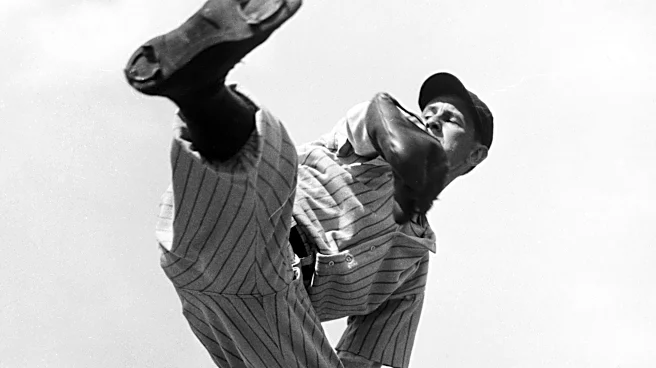
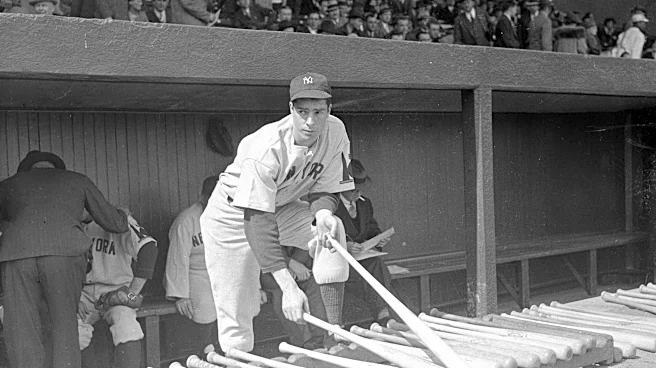
Harold "Hal" Newhouser, affectionately known as "Prince Hal" and "Hurricane Hal," carved out a significant career as a professional baseball pitcher in Major League Baseball (MLB) from 1939 to 1955. Primarily associated with the Detroit Tigers, Newhouser's career was marked by extraordinary achievements, including becoming the first pitcher to win the Most Valuable Player (MVP) Award in consecutive years, a feat he accomplished in 1944 and 1945. His
journey through professional baseball, from a young talent to a Hall of Famer, showcases a remarkable blend of skill, perseverance, and adaptability, particularly as he navigated the challenges of wartime baseball and later career changes.
Early Career and Wartime Ascendancy
Newhouser began his MLB career with the Detroit Tigers in 1939. While his initial seasons saw him struggle with control, his performance began to improve significantly by 1942. A crucial factor in his prominence during the mid-1940s was his exemption from military service during World War II due to a congenital heart defect. This allowed him to remain in MLB while many other star players were serving in the armed forces, providing him with an unparalleled opportunity to showcase his talent.
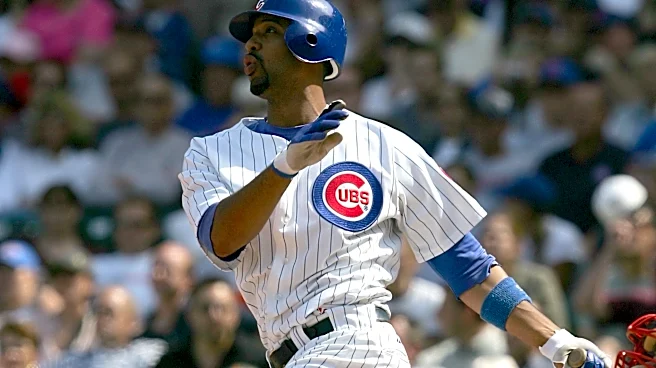
His wartime dominance was undeniable. In 1944, Newhouser achieved an impressive 29 wins, leading the Tigers to a second-place finish in the American League, and earning him his first AL MVP award. The following year, 1945, proved to be even more spectacular. He not only secured his second consecutive AL MVP award but also achieved the pitching Triple Crown, leading the league in wins, Earned Run Average (ERA), and strikeouts. That same year, he led the Tigers to a World Series championship, winning two games in the series, including the decisive Game 7 against the Chicago Cubs.
Post-War Performance and Adapting to Change
Despite criticisms that his wartime success was inflated due to the absence of many top players, Newhouser emphatically silenced his detractors in 1946. With the return of superstars from military service, he continued to excel, leading the league in wins with 26 and posting an outstanding 1.94 ERA. This performance earned him a second-place finish in the AL MVP voting, behind Ted Williams, demonstrating his sustained excellence even against a fully reassembled league.
Newhouser remained a consistently solid pitcher in the post-war years, accumulating 170 wins in the 1940s, more than any other pitcher during that decade. However, by 1950, he began to experience significant arm and shoulder problems, which severely impacted his effectiveness. The Tigers released him during the 1953 season, and he was on the verge of retirement. However, his former teammate, Hank Greenberg, who was then the general manager for the Cleveland Indians, offered him a new role.
Transition to Relief Pitching and Hall of Fame Recognition
Greenberg signed Newhouser as a relief pitcher for the 1954 season, a move that extended his career and allowed him to contribute to another pennant-winning team. In 26 appearances for the Indians, Newhouser posted a 7-2 record with a 2.51 ERA, helping the team win 111 games and the American League pennant. Although the Indians lost the World Series that year, Newhouser's ability to adapt to a new role demonstrated his enduring value. He retired in 1955 after pitching in just two more games.
Newhouser's remarkable career was recognized with his induction into the National Baseball Hall of Fame and Museum in 1992, elected by the Veterans Committee. In 1997, the Detroit Tigers further honored his legacy by retiring his number 16 jersey. Born on May 20, 1921, in Detroit, Michigan, Hal Newhouser passed away on November 10, 1998, in Southfield, Michigan, leaving behind a legacy as one of baseball's most dominant pitchers of his era.