






Paul Volcker served as the 12th Chairman of the Federal Reserve from 1979 to 1987, a period marked by significant economic challenges in the United States. His leadership is often credited with curbing the rampant inflation that plagued the U.S. economy during the late 1970s and early 1980s. Volcker's approach, known as the 'Volcker shock,' involved implementing stringent monetary policies that had far-reaching effects on both the domestic and international
economic landscape.
Tackling Inflation
When Paul Volcker took over as Chairman of the Federal Reserve, the U.S. was grappling with high inflation rates that had persisted throughout the 1970s. Volcker's strategy to combat this involved tightening the money supply, a move that was based on monetarist theories. These theories suggested that controlling the amount of money in circulation was key to managing inflation. Volcker's policies led to a significant increase in interest rates, which, while effective in reducing inflation, also resulted in a recession and increased unemployment in the short term.
The impact of Volcker's policies was profound. Inflation, which had reached a peak of 13.5% in 1981, was brought down to 3.1% by 1983. This drastic reduction in inflation rates was a testament to the effectiveness of Volcker's approach, although it came at the cost of economic growth and employment in the short run. Despite the initial economic pain, Volcker's policies laid the groundwork for a more stable economic environment in the years that followed.
Political and Public Reactions
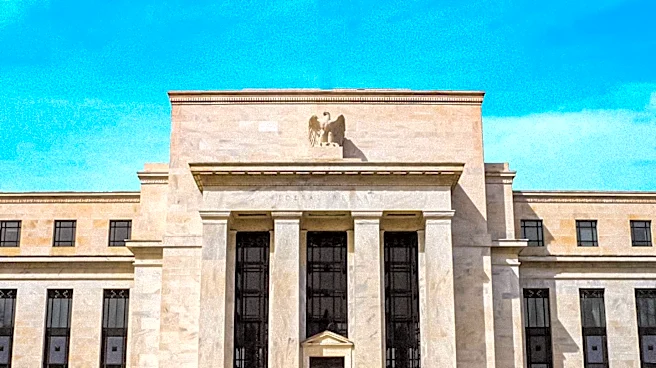
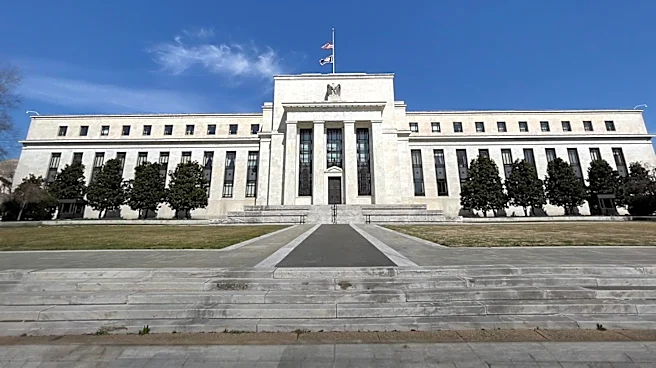
Volcker's tenure was not without controversy. His policies elicited strong political attacks and widespread protests, particularly from sectors like construction, farming, and industry, which were hit hard by the high interest rates. Farmers, for instance, famously drove their tractors to Washington, D.C., to protest the economic conditions, blockading the Federal Reserve's headquarters. Homebuilders also expressed their discontent by sending pieces of lumber to the Fed as a form of protest.
Despite the backlash, Volcker remained steadfast in his commitment to controlling inflation. His ability to withstand political pressure and public criticism was a defining feature of his leadership. Volcker's resolve in the face of adversity demonstrated his belief in the long-term benefits of his policies, even if they were unpopular in the short term.
Legacy and Influence
Paul Volcker's tenure as Chairman of the Federal Reserve left a lasting legacy on U.S. monetary policy. His approach to tackling inflation set a precedent for future economic strategies and highlighted the importance of central bank independence. Volcker's policies not only stabilized the U.S. economy but also influenced monetary policy frameworks around the world.
Volcker's impact extended beyond his time at the Federal Reserve. His later involvement in various economic and financial advisory roles, including his work with the Volcker Alliance and the President's Economic Recovery Advisory Board, underscored his continued influence on economic policy. Volcker's legacy is a testament to the power of decisive leadership in the face of economic challenges.