







"What Ever Happened to Baby Jane?" is a 1962 psychological horror thriller that plunges into the dark depths of sibling rivalry, mental instability, and long-held secrets. The film, adapted from Henry Farrell's novel, centers on the Hudson sisters, Jane and Blanche, whose lives are inextricably linked by a shared past of fame and a present filled with torment. Their story unfolds within a dilapidated Hollywood mansion, a fitting backdrop for the decay
of their relationship and Jane's increasingly grotesque behavior. The narrative meticulously builds a sense of dread, culminating in a shocking revelation that redefines their entire history.
From Vaudeville Star to Forgotten Actress
The film's plot begins in 1917, introducing "Baby Jane" Hudson as a spoiled and capricious child actress, a vaudeville sensation touring the country with her father as manager and piano accompanist. Her success was so profound that porcelain dolls were even made in her image. In stark contrast, her shy older sister, Blanche, lived in Jane's shadow, neglected by their father and treated with contempt by Jane, receiving only weak apologies from their mother. This early dynamic establishes the foundation for the sisters' future animosity and Jane's deep-seated fixation on her past glory.
As the sisters transition into adulthood, their fortunes dramatically reverse. Jane's performance style falls out of fashion, leading to a decline in her career and a descent into alcoholism. Meanwhile, Blanche emerges as an acclaimed Hollywood actress. Mindful of a promise made to their mother, Blanche attempts to support Jane's career, using her influence to secure acting roles for her sister in her own films. However, these were often minor parts, further fueling Jane's resentment and sense of being overshadowed.
A Mysterious Accident and a Life of Torment
The turning point in their adult lives occurs in 1935 when Blanche's successful career is abruptly cut short. She becomes paralyzed from the waist down in a mysterious car accident. Unofficially, Jane is blamed for the incident, as she is found three days later in a drunken stupor. This event forces the sisters into a shared existence in a mansion purchased with Blanche's film earnings, where Blanche's mobility is severely limited by her reliance on a wheelchair and the lack of an elevator to her upstairs bedroom.
By 1962, their living situation has devolved into a nightmare. Jane, now a grotesque and mentally unstable alcoholic, regularly abuses Blanche. Jane's jealousy and resentment intensify when Blanche's old films begin airing on television, renewing her sister's popularity. Jane becomes fixated on reviving her own childhood act, even hiring a pianist, Edwin Flagg. When Blanche reveals her intention to sell the house, Jane correctly suspects Blanche plans to commit her to a psychiatric hospital. In response, Jane removes the telephone from Blanche's room, effectively isolating her from the outside world and escalating her torment.
Escalating Cruelty and a Shocking Confession
The psychological horror deepens as Jane's abuse intensifies. Blanche, in a desperate attempt to get help, drags herself downstairs and calls her doctor. Jane returns, finds Blanche on the phone, and beats her unconscious, then mimics Blanche's voice to dismiss the doctor. She fires the housekeeper, Elvira, ties Blanche to her bed, and locks her in her room. A suspicious Elvira later sneaks into the house, attempts to access Blanche's room, and is ultimately killed by Jane with a hammer. Jane then disposes of Elvira's body, further entangling herself in a web of crime.
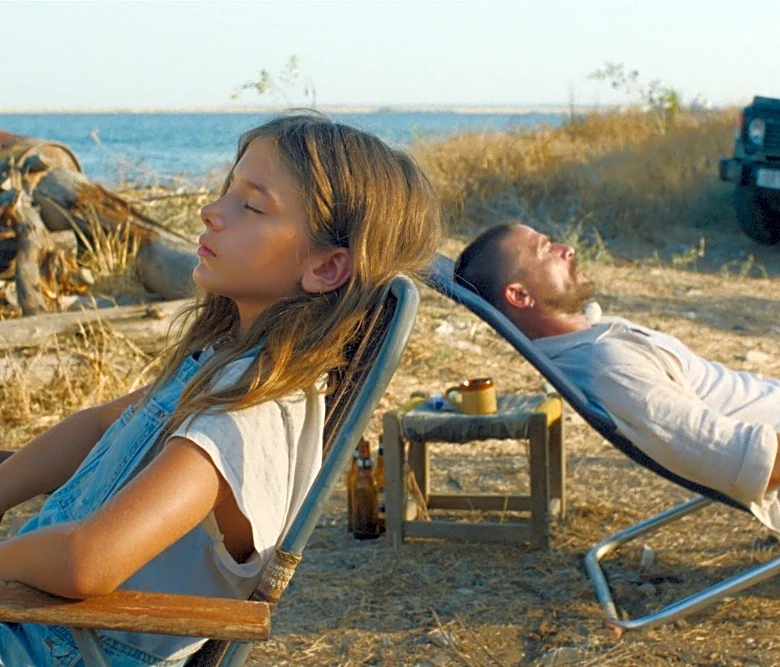
Days later, the police inquire about Elvira's disappearance, prompting Jane to panic and attempt to flee with Blanche. However, an inebriated Edwin Flagg is brought to the house by police, discovers Blanche, and notifies authorities. Jane, in a state of infantile regression, takes Blanche to a beach, a place of her childhood memories. The next morning, with news of Elvira's murder and Blanche's condition on the radio, Blanche, weakened and near death, makes a stunning confession. She reveals that she caused her own accident in 1935, attempting to run over a drunken Jane who had mocked her at a party. Blanche's spine broke when her car hit the gates, and she then staged the scene to frame Jane, concealing the truth and subjecting Jane to a life of guilt and servitude. Jane's poignant response, "You mean all this time, we could have been friends?", highlights the tragic waste of their lives. The film concludes with Jane dancing for beachgoers as police find Blanche, leaving her fate uncertain.