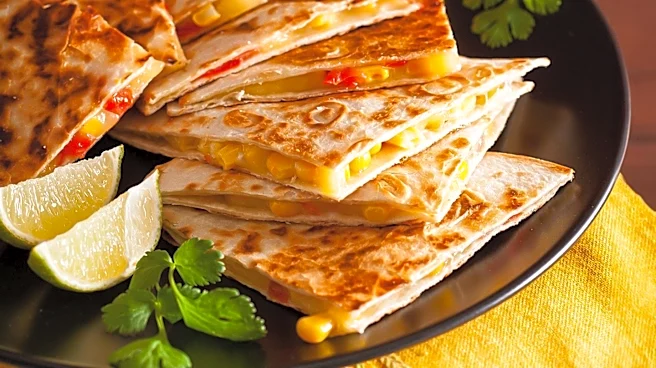

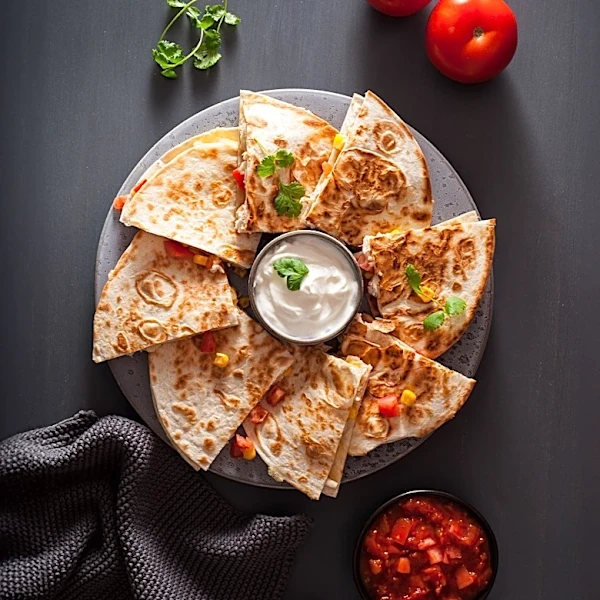







The quesadilla is more than just a popular dish; it holds cultural and social significance within Mexican cuisine. This article delves into the role of the quesadilla in Mexican culinary traditions, highlighting its importance as a versatile and beloved food item across various regions.
A Staple in Mexican Households
In Mexico, the quesadilla is a staple in many households, often enjoyed as a quick and satisfying meal. Its simplicity and versatility make it an ideal choice for families,
as it can be easily adapted to include a variety of ingredients. The basic combination of a tortilla and cheese serves as a canvas for creativity, allowing cooks to incorporate local produce and meats.
The quesadilla's adaptability is evident in its widespread popularity across Mexico. In central and southern regions, it is common to find quesadillas filled with Oaxaca cheese, squash blossoms, and huitlacoche. These ingredients reflect the rich agricultural traditions of the area, showcasing the quesadilla's role in celebrating local flavors and produce.
Regional Variations and Traditions
Each region in Mexico has its own take on the quesadilla, highlighting the dish's cultural significance. In Mexico City, for example, quesadillas are not automatically assumed to contain cheese, a distinction that sets the city apart from other regions. This variation underscores the dish's flexibility and its ability to adapt to local tastes and preferences.
In Oaxaca, what might be called a quesadilla elsewhere is known as an empanada, filled with local ingredients like mole and Oaxacan cheese. This regional variation highlights the quesadilla's role in preserving and promoting local culinary traditions, making it a dish that is both familiar and unique across Mexico.
A Symbol of Mexican Culinary Heritage
The quesadilla's enduring popularity is a testament to its cultural significance in Mexican cuisine. It serves as a symbol of the country's rich culinary heritage, representing the blending of indigenous and colonial influences. The dish's ability to incorporate a wide range of ingredients reflects the diversity of Mexican cuisine and its emphasis on fresh, local produce.
As a beloved dish enjoyed by people of all ages, the quesadilla holds a special place in Mexican culture. Its versatility and adaptability have allowed it to remain a staple in Mexican households, while also gaining popularity beyond the country's borders. The quesadilla's cultural significance is a testament to its enduring appeal and its role in celebrating the rich culinary traditions of Mexico.