
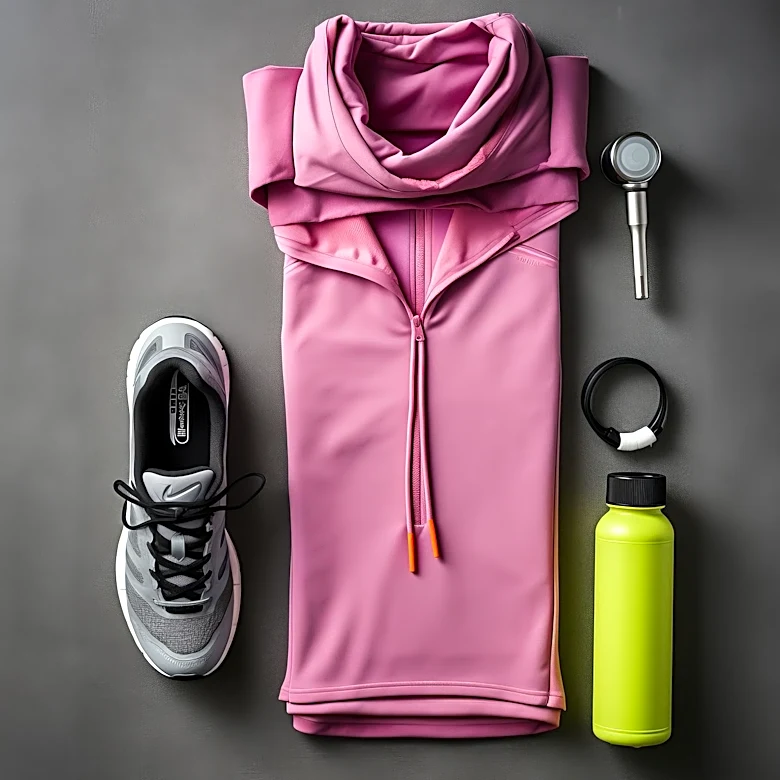


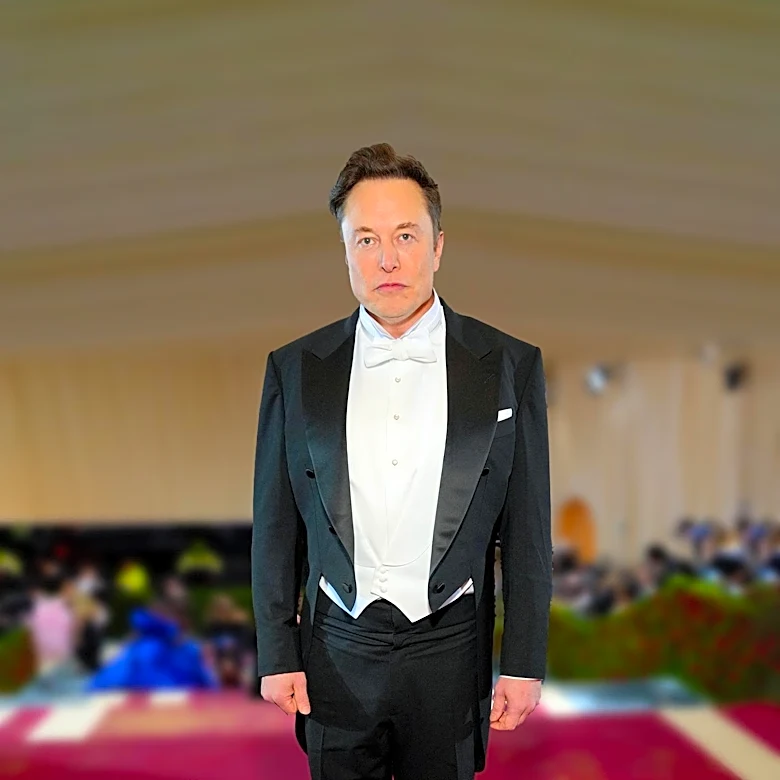



Casual wear, a relaxed and spontaneous Western dress code, has become a staple for everyday use, particularly gaining widespread popularity after the counterculture movements of the 1960s. While today it signifies comfort and informality, its roots can be traced back to specialized clothing designed for specific activities. The journey of casual wear from its early forms to the diverse styles we see today reflects a broader shift in societal attitudes
towards dress and comfort.
Early Influences: Sportswear and Utility
The origins of modern casual fashion can be found in sportswear from the 1920s. This era saw the emergence of items like tweed blazers, oxford shoes, and golf skirts, which were designed for active pursuits but began to influence everyday attire. The growing popularity of activities like bicycling also played a role, creating a demand for practical garments such as culottes, which were early precursors to modern casual shorts. These initial forays into more comfortable and functional clothing laid the groundwork for the broader acceptance of casual styles.
As the 20th century progressed, the definition of "casual" expanded significantly. It began to incorporate elements from various other clothing categories, moving beyond just sportswear. Denim workwear, originally designed for durability and utility in labor-intensive jobs, became a key component of casual fashion. Similarly, elements from military uniforms, known for their practicality and ruggedness, also found their way into casual wardrobes. This blending of functional and specialized clothing types helped to diversify the casual aesthetic.
The Impact of Sports and Modern Materials
The late 20th century witnessed a significant surge in the popularity of spectator sports, which further influenced casual wear. A considerable amount of athletic gear, initially intended for performance, transitioned into everyday fashion. Items such as jogging suits, running shoes, and various forms of track clothing became common sights outside of athletic contexts. This trend underscored a growing preference for comfort and a relaxed aesthetic in daily dressing, directly linking athletic functionality with casual style.
Alongside these stylistic influences, the materials used in casual wear also played a crucial role in its development and widespread adoption. Basic materials like denim, cotton, jersey, flannel, and fleece became foundational to casual clothing due to their comfort, durability, and ease of care. These materials contrasted sharply with those often associated with more formal attire, such as velvet, chiffon, and brocade, which typically require more delicate handling and are reserved for special occasions. The choice of material reinforced the relaxed and everyday nature of casual wear.
Defining Casual in the Modern Era
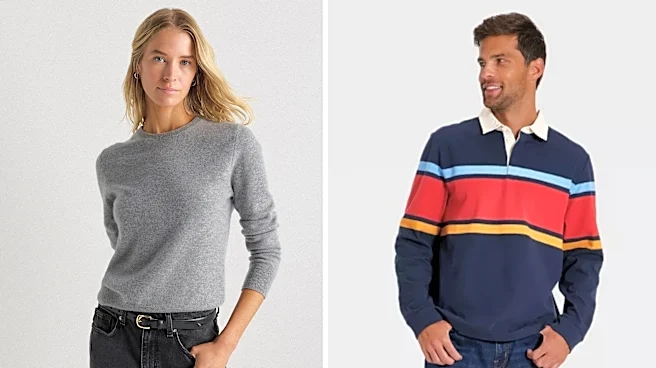
In modern times, casual wear for men often includes items like jeans, a dress shirt (worn with the collar casually turned down), and a T-shirt or sleeveless shirt. While casual wear emphasizes relaxation, certain traditional norms still apply, such as the limitation on the exposure of shoulders, thighs, and backs to casual settings. This highlights that even within the relaxed framework of casual attire, there can be unspoken guidelines or expectations regarding modesty and appropriateness.
Ultimately, casual wear is characterized by its relaxed, occasional, spontaneous nature, making it suitable for everyday use. When the emphasis is particularly on comfort, it might be referred to as leisurewear or loungewear. This distinction underscores the primary appeal of casual clothing: its ability to provide ease and comfort in a variety of daily situations, a far cry from the more rigid and formal dress codes of earlier eras.