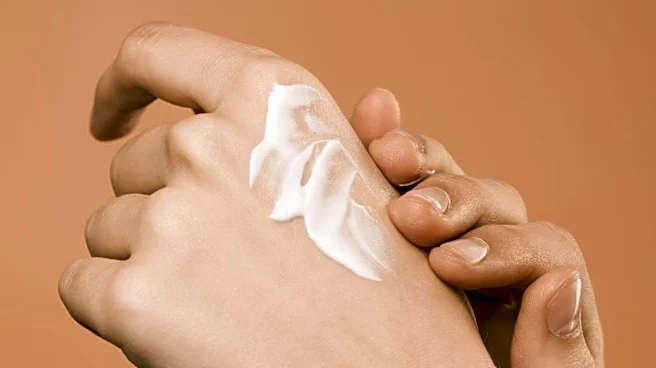










Atopic dermatitis is a chronic skin condition that requires careful management to alleviate symptoms and improve quality of life. While there is no cure, various treatment options and strategies can help control flare-ups and maintain skin health. This article explores the different approaches to managing atopic dermatitis effectively.
Topical Treatments
Topical treatments are the first line of defense in managing atopic dermatitis. Moisturizers play a crucial role in maintaining
skin hydration and preventing flare-ups. They help stabilize the skin barrier, reducing sensitivity to irritants and allergens. Different types of moisturizers, such as lotions, creams, and ointments, are available, and individuals can choose based on personal preference and skin type.
Anti-inflammatory corticosteroid creams are commonly used to control flare-ups. These creams reduce inflammation and itching, providing relief from symptoms. Newer corticosteroids, like fluticasone propionate and mometasone furoate, are more effective and safer than older versions. Topical calcineurin inhibitors, such as tacrolimus and pimecrolimus, are also recommended for managing atopic dermatitis, especially when corticosteroids are not effective.
Systemic Treatments
For severe cases of atopic dermatitis that do not respond to topical treatments, systemic medications may be necessary. These include immunosuppressants like cyclosporin and methotrexate, which help control inflammation throughout the body. Newer medications, such as monoclonal antibodies and JAK inhibitors, have shown promise in managing atopic dermatitis but may come with increased risks of side effects.
Antihistamines can help alleviate itching, while antibiotics are only recommended if there is a secondary bacterial infection. Phototherapy, which involves exposure to ultraviolet light, can also be beneficial for some individuals, although it carries a risk of skin cancer with prolonged use.
Lifestyle and Self-Management
Effective management of atopic dermatitis extends beyond medical treatments. Lifestyle changes and self-management strategies are essential for reducing flare-ups and maintaining skin health. Regular bathing in lukewarm water, avoiding harsh soaps, and wearing soft, breathable fabrics can help minimize irritation.
Identifying and avoiding triggers, such as stress, allergens, and certain chemicals, is crucial in managing the condition. Good communication with healthcare providers and adherence to treatment plans are vital for successful management. By combining medical treatments with lifestyle adjustments, individuals with atopic dermatitis can achieve better control over their symptoms and improve their overall quality of life.