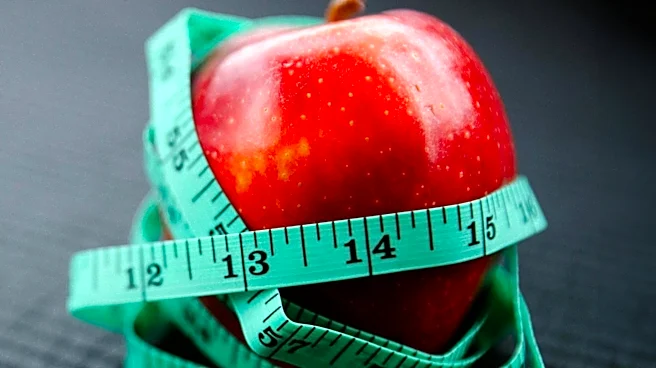






In the rich tapestry of Indian yogic traditions, the human body is understood not as a singular entity but as a composite of several layers or "sheaths," known as koshas. Among these, the Annamaya kosha stands out as the most tangible and readily observable. It is described as the sheath of the physical self, representing the grossest of the five koshas. Its name, Annamaya kosha, is derived from the fact that it is nourished by food, highlighting
its fundamental connection to the material world and the sustenance required for its existence. This physical body, composed of the essence of food, is inherently subject to the cycles of birth and death, marking it as a temporary vessel in the journey of life.
The Five Koshas and the Gross Body
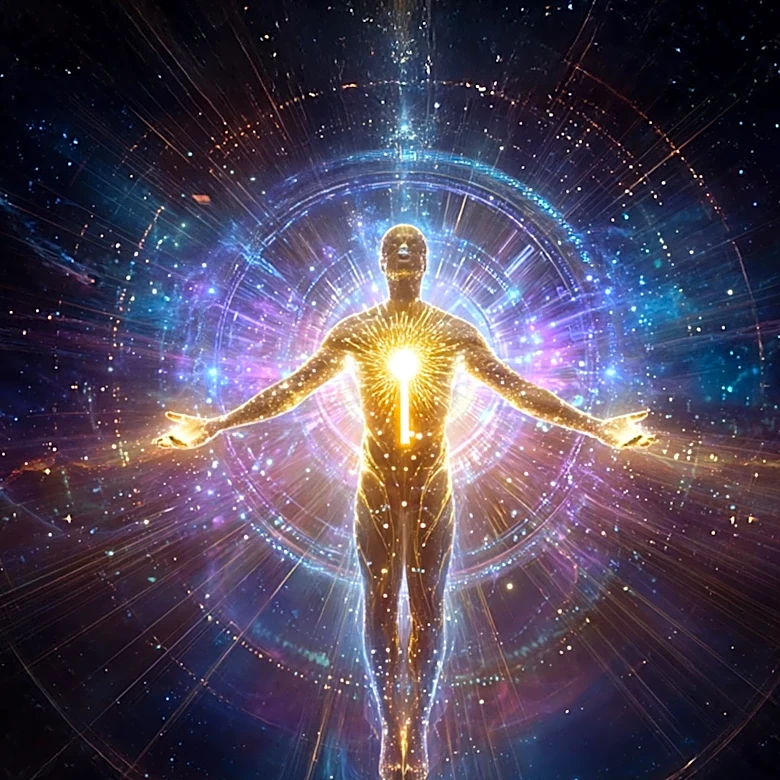
The concept of the five koshas is central to understanding the human constitution in Indian yoga. These koshas are often likened to the layers of an onion, with the innermost layer representing the true self (Atman) and the outer layers progressively becoming more subtle. The Annamaya kosha occupies the outermost position, making it the most accessible and grossest layer. It is the visible, physical body that interacts directly with the external world. This sheath is considered the foundation upon which the more subtle layers rest and operate, providing the structure and means for experience.
Indian tradition identifies the Annamaya kosha with the three gross bodies, further emphasizing its role as the physical or gross body. This identification underscores its material nature and its direct involvement in the physical aspects of life. The physical body, in this context, is not merely a collection of organs and tissues but a complex system that supports the functions of the other koshas. It is through the Annamaya kosha that an individual experiences the physical world, performs actions, and engages in daily life.
Sustenance and the Cycle of Life
The very name "Annamaya kosha" signifies its dependence on food for nourishment and existence. "Anna" translates to food, indicating that this physical sheath is literally "made of food." This highlights a crucial aspect of its nature: it is constantly being built, maintained, and eventually dissolved through the consumption and processing of food. This continuous cycle of nourishment and decay is intrinsic to the Annamaya kosha, reflecting its impermanent nature.
Birth and death are considered the inherent attributes of this physical body. It comes into being, grows, sustains itself through food, and eventually perishes. This understanding emphasizes the transient quality of the physical form, contrasting it with the more enduring aspects of the self that are believed to reside within the subtler koshas. The Annamaya kosha serves as a reminder of the cyclical nature of existence in the material realm, where all physical forms are subject to creation and dissolution.
The Role of Annamaya Kosha in Spiritual Understanding
While the Annamaya kosha is the grossest and most transient of the sheaths, it plays a vital role in the spiritual journey. It is the vehicle through which an individual can engage in practices that lead to self-realization. The physical body provides the means for action, sensation, and interaction with the world, all of which can be utilized for spiritual growth. Understanding the nature of the Annamaya kosha, its dependence on food, and its impermanence, is often the first step in recognizing the deeper layers of one's being.
By acknowledging the temporary nature of the physical body, practitioners can begin to detach from an exclusive identification with it and explore the subtler aspects of their existence. The wisdom traditions suggest that a wise person understands that the self is not confined to these five bodily layers, including the Annamaya kosha. Instead, the true self, or Atman, is believed to be distinct from and enveloped by these sheaths. This perspective encourages a shift in focus from the external, physical form to the internal, spiritual essence.