





World War II had a profound impact on fashion during the 1940s, shaping styles and trends in ways that reflected the realities of wartime life. The conflict led to significant changes in clothing design, materials, and the overall aesthetic of the decade. This article examines how the war influenced fashion, from the practical styles of the early 1940s to the post-war shift towards opulence.
Wartime Necessities and Practical Styles
The onset of World War II brought about a need for practicality
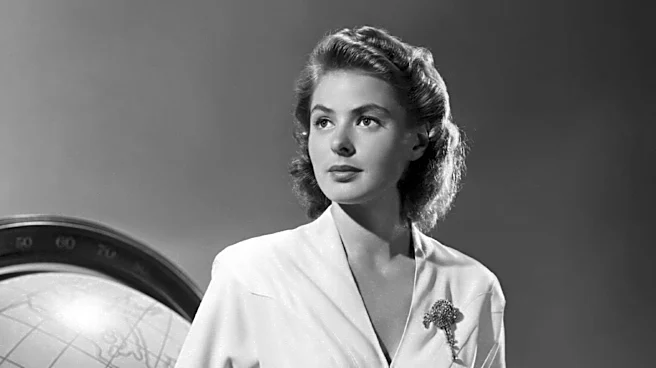
in fashion, as resources were redirected towards the war effort. Luxurious materials like silk were replaced by more resource-efficient fabrics, leading to a dramatic change in clothing design. The dominant silhouette of the early 1940s featured square, padded shoulders and a tailored waist, creating a mannish aesthetic that was both functional and stylish.
Woolen skirt suits became a staple, characterized by sharp tailoring and military-inspired details such as belts and breast pockets. These suits were designed to be practical for the busy lives women led during the war, as Vogue declared the "Tailored Suit" the "Uniform of 1942." The knee-length shirtwaist dress also gained popularity, offering a simple yet polished look endorsed by authorities as appropriate for wartime.
Material Restrictions and Creative Solutions
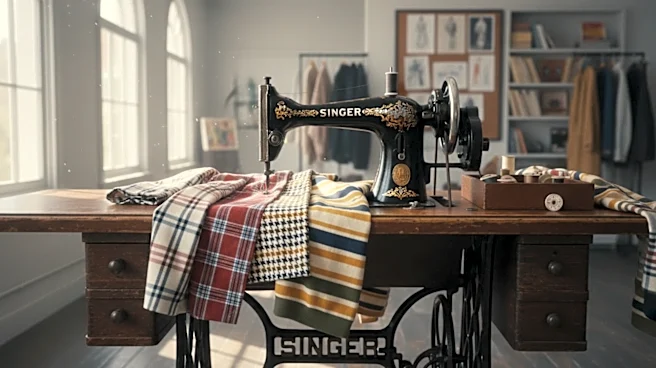
Wartime rationing led to restrictions on materials, prompting designers to find creative solutions to maintain style while conserving resources. Tweeds and plaid remained popular, and dirndl-style dresses offered a fuller silhouette. Separates, such as jackets paired with skirts, became increasingly common, allowing for multiple uses of individual pieces.
The influence of international styles was evident in the colorful "Good Neighbor" prints, featuring motifs from countries like China, South America, and Mexico. These prints added a touch of exoticism to the otherwise practical wartime wardrobe. Despite the constraints, fashion continued to evolve, blending practicality with a renewed sense of elegance and femininity.
Post-War Fashion and the New Look
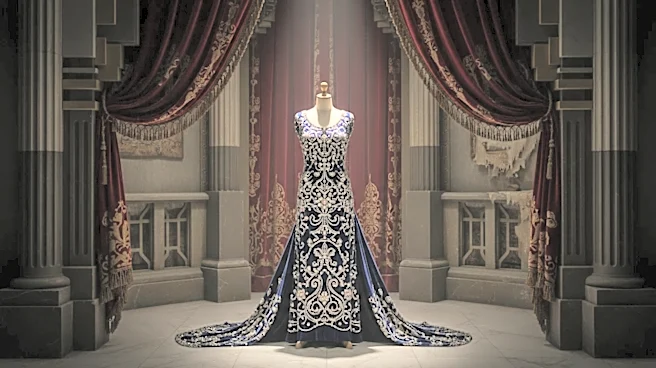
The end of World War II brought a significant shift in fashion, as designers sought to move away from the austere styles of the wartime years. In 1947, Christian Dior introduced his "New Look," which featured softer shoulders, a cinched waist, and dramatically longer and fuller skirts. This style marked a return to opulence and femininity, contrasting sharply with the practical designs of the early 1940s.
Dior's New Look was initially met with protest, particularly in the United States, where the "Little Below the Knee Club" opposed the longer hemlines. However, the style gradually gained acceptance and became the dominant fashion silhouette by the end of the decade. The New Look represented a desire for luxury and elegance after years of wartime austerity.