




The 1960s were a period of significant expansion and evolving challenges for the Peace Corps, an organization born from President John F. Kennedy's vision of American volunteerism. Established in 1961, the Corps rapidly grew from 900 volunteers in 16 countries to a peak of 15,556 volunteers across 52 nations by 1966. This decade saw the organization solidify its mission of providing skilled workers in fields like education, health, and community development,
while also navigating complex geopolitical landscapes, most notably the Vietnam War.
Rapid Expansion and Volunteer Profile
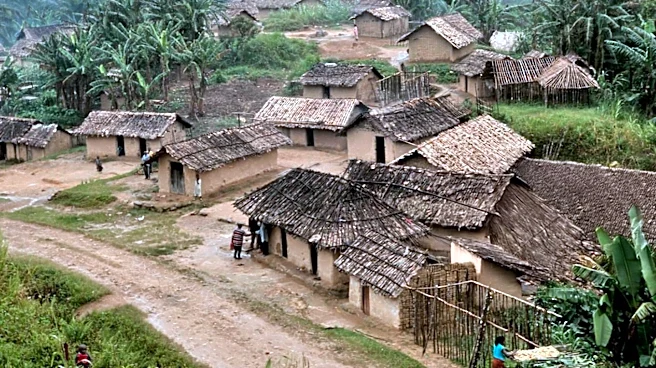
From its formal authorization by Congress in September 1961, the Peace Corps quickly became a prominent symbol of American idealism. Within two years, over 7,300 volunteers were serving in 44 countries. The organization's growth continued, reaching its highest volunteer numbers in 1966. Volunteers, typically American citizens with college degrees, underwent three months of technical training before committing to at least two years of service. They were strongly encouraged to respect local customs, learn the local language, and live in conditions comparable to those of their host communities.
Initially, the Peace Corps sought generalists, but requests for technical personnel emerged early on. For instance, Ghana, an early host country, specifically requested geologists. By the mid-1960s, the Corps developed its own training program, which included nine weeks at an American university focusing on conversational language, world affairs, and job skills, followed by a period of orientation in Puerto Rico and the host country. Affirmative action was practiced by the first director, Sargent Shriver, resulting in women making up about 40 percent of the initial 7,000 volunteers.
The Shadow of the Vietnam War
The Vietnam War cast a long shadow over American society, and the Peace Corps, as a government program, was not immune to its effects. Joining the Peace Corps became an option for some to avoid the draft, either by applying to the Corps and claiming it was unrelated to military service or by fulfilling alternative service requirements for Conscientious Objector status. Draft deferment was initially agreed upon at the Peace Corps' creation in 1961. However, as the war escalated, some deferments were not granted, forcing volunteers to end their service prematurely.
Many Peace Corps volunteers stationed globally openly protested the Vietnam War. One notable instance involved Bruce Murray, a volunteer in Chile, who wrote a letter protesting the war to The New York Times in 1967. Although not published in the U.S., it appeared locally in Chile, leading to the termination of Murray's service without appeal. He was subsequently drafted and denied Conscientious Objector status. Murray sued in 1969 and won, prompting the Peace Corps to become more tolerant of volunteer protests, though this leniency was unofficial and could be revoked if protests became too public or drew excessive attention. Examples include volunteers in Bolivia criticizing the war in a PCV-produced publication and a 1970 protest outside the U.S. embassy in Afghanistan during Vice President Agnew's visit.
Policy and Operational Shifts
Until approximately 1967, applicants were required to pass a placement test assessing "general aptitude" and language skills. The organization's focus remained on assisting developing countries through education, health, and community development. However, the political climate of the 1960s, particularly the Vietnam War, forced the Peace Corps to adapt its internal policies regarding volunteer conduct and draft status, reflecting the broader societal shifts occurring in the United States during this tumultuous decade.