





The study of Earth, now known as Earth science or geoscience, has a rich and complex history, evolving from early human observations to sophisticated modern scientific disciplines. While the formalization of many Earth science branches is relatively recent, humanity's engagement with the planet's phenomena dates back to antiquity. This journey reflects a continuous quest to understand the physical, chemical, and biological processes that shape our world,
leading to profound insights and transformative theories.
Early Roots and the Rise of Geology
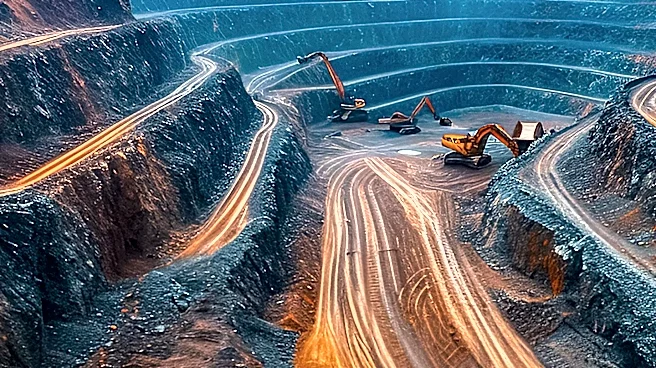
The earliest interests in what we now call Earth science can be traced to human interactions with mining and precious stones, which have been significant throughout civilization's history. However, the scientific development of related fields like economic geology and mineralogy did not truly emerge until the 18th century. This period marked a shift from purely practical engagement to a more systematic investigation of Earth's materials and formations. The 19th century proved to be a particularly fertile ground for Earth studies, witnessing a significant blossoming in paleontology, the study of ancient life forms through fossils. This era laid much of the groundwork for understanding Earth's deep history and the evolution of its inhabitants.
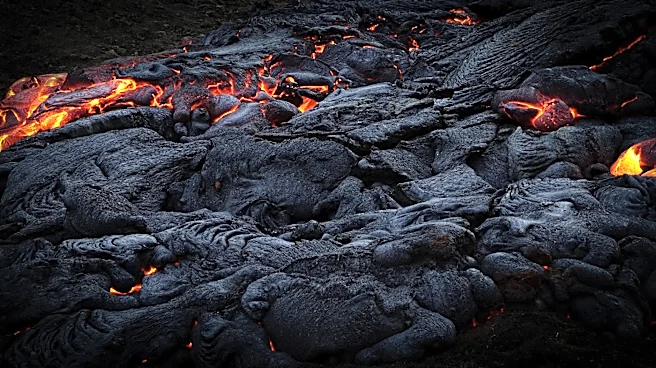
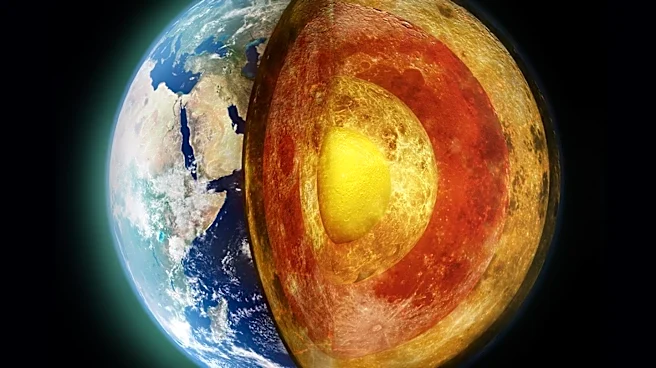
As the 20th century progressed, new disciplines within Earth science began to gain prominence. Geophysics, which applies physics principles to study Earth, saw considerable growth. This growth culminated in one of the most significant breakthroughs in Earth science: the development of the theory of plate tectonics in the 1960s. This theory revolutionized our understanding of Earth's large-scale geological processes, such as earthquakes, volcanoes, and mountain formation, much as the theory of evolution had transformed biology. This period marked a transition from descriptive geology to a more dynamic and process-oriented understanding of the planet.
The Emergence of Hydrology and Atmospheric Science
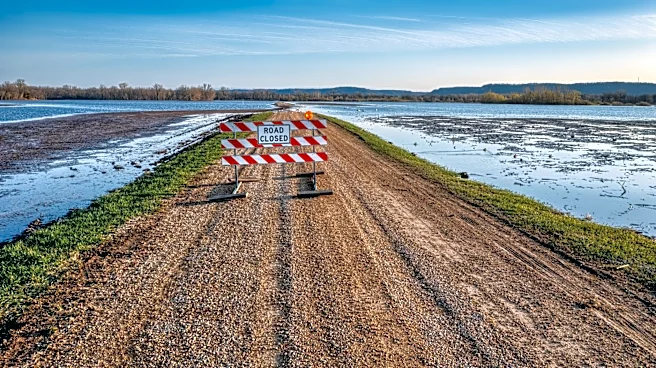
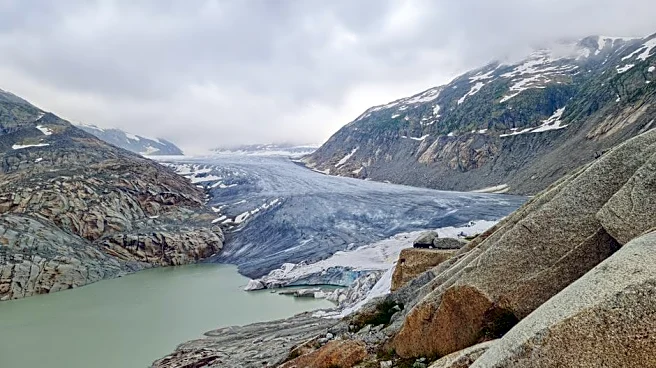
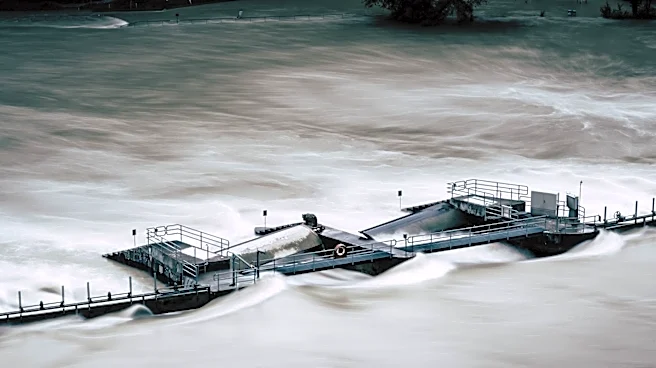
The serious study of oceans, a key component of hydrology, began in the 19th century. As a field of natural science, oceanography is relatively young, yet it has matured to a point where it possesses its own distinct paradigms and practices, offering specialized programs of study. Hydrology itself, the study of the hydrosphere and water movement, emphasizes how humans interact with and use freshwater supplies. Its subdisciplines, such as hydrogeology (groundwater study) and glaciology (ice and snow study), address critical environmental and resource challenges.
Atmospheric science, while often considered in conjunction with Earth sciences, has also developed independently. This field investigates the characteristics of the atmosphere's various layers, from ground level to the edge of space, and its studies can span vast timescales. The independent development of its concepts, techniques, and practices, along with its wide range of sub-disciplines, solidifies its status as a distinct branch of natural science. The evolution of these fields demonstrates a growing recognition of Earth's complex, interconnected systems and the need for specialized scientific approaches to understand them fully.