



In 1988, Orel Hershiser of the Los Angeles Dodgers achieved a monumental feat in Major League Baseball: 59 consecutive scoreless innings pitched. This record-breaking streak captivated the baseball world and cemented Hershiser's place in history. It was a period of sustained excellence that showcased his pitching prowess and mental fortitude, surpassing a long-standing record held by a fellow Dodger legend.
The Streak's Genesis and Progression
Hershiser's historic streak commenced in
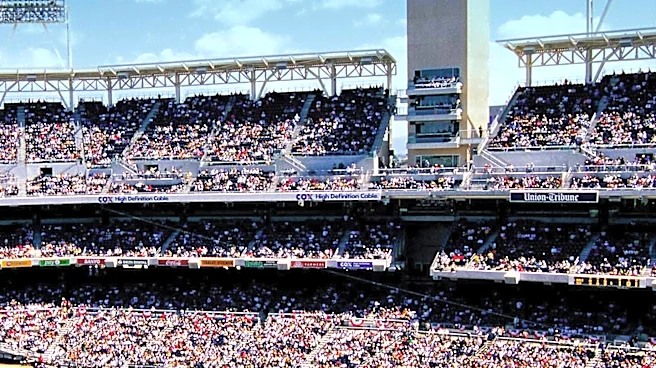
the sixth inning of an August 30 game against the Montreal Expos. It spanned seven starts, from his 29th through his 35th and final start of the 1988 season. Over these games, he consistently shut down opposing offenses, averting numerous high-risk scoring situations. The streak culminated in the tenth inning of a September 28 game against the San Diego Padres, marking 59 full innings without allowing a run.
This achievement broke the previous record of 58 and two-thirds innings, set by Don Drysdale in 1968. Drysdale, who was working as a radio announcer for the Dodgers at the time, had the unique perspective of calling the games as Hershiser pursued and ultimately surpassed his record. The Elias Sports Bureau, the official statistician for MLB, clarified its criteria for the record during the streak, counting only complete scoreless innings for starting pitchers. The streak officially ended in Hershiser's first inning of the 1989 season against the Cincinnati Reds.
Navigating Pressure and Performance
During the 59-inning streak, Hershiser's earned run average (ERA) significantly improved, dropping from 2.90 to 2.26. Notably, 41 of these 59 scoreless innings were pitched on the road, away from the pitcher-friendly confines of Dodger Stadium. Despite his individual brilliance, the Dodgers' offense provided limited support, scoring only 13 runs during the entire 59-inning span. Opposing hitters struggled immensely against him, batting 0-for-9 with runners on third base and 0-for-31 with runners in scoring position.
As the streak progressed, media attention intensified. Initially, the focus was on his 20th win and his strong contention for the Cy Young Award. However, as he approached and then surpassed Walter Johnson's 1913 record of 55 and two-thirds innings, and then Drysdale's mark, the historical significance became a central theme. Hershiser, however, maintained his focus, stating his primary concern was his hospitalized newborn son, rather than the record itself. His teammates were reportedly too superstitious to discuss the streak with him, and even Drysdale avoided the topic to prevent jinxing it.
Pitching Style and Legacy
At the time of his record-breaking streak, Hershiser was often described as a "right-handed sinkerball artist," though he did not actually throw a sinker. Instead, he relied on a repertoire that included a fastball, slider, curveball, and a split-finger fastball, which he effectively used as a sinker. His ability to consistently execute these pitches, combined with his composure under pressure, allowed him to maintain such a prolonged period of scoreless pitching.
The streak is widely regarded as one of the greatest individual achievements in American sports. It not only highlighted Hershiser's exceptional talent but also contributed significantly to the Dodgers' successful 1988 season, which culminated in a World Series championship. His performance during this period, including his postseason scoreless innings, solidified his legacy as one of baseball's most dominant pitchers.