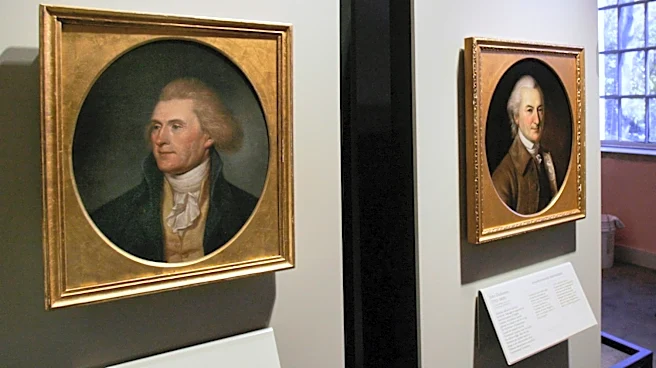









Richard Henry Lee, a prominent figure in the American independence movement, played a crucial role in the colonies' quest for freedom from British rule. His proposal of the Lee Resolution in June 1776 was a defining moment in American history, setting the stage for the Declaration of Independence. Lee's contributions to the independence movement were not limited to this resolution; his political acumen and leadership were instrumental in shaping the future
of the United States.
Early Advocacy and Political Involvement
Richard Henry Lee's journey as an advocate for independence began long before the Lee Resolution. He was elected to the Virginia House of Burgesses in 1758, where he met influential figures like Patrick Henry. Lee was an early proponent of independence, creating Committees of Correspondence to unite like-minded individuals across the colonies.
In 1766, Lee authored the Westmoreland Resolution against the British Stamp Act, showcasing his commitment to colonial rights. His involvement in the First Continental Congress in 1774 further solidified his position as a key player in the independence movement. Lee's ability to rally support and articulate the colonies' grievances made him a valuable ally to leaders like Samuel Adams.
The Lee Resolution and Its Impact
Lee's proposal of the Lee Resolution on June 7, 1776, was a bold move that called for the colonies to declare independence from Great Britain. The resolution was a comprehensive plan, addressing not only independence but also foreign alliances and a confederation of states. Lee's foresight in including these elements demonstrated his understanding of the complexities involved in establishing a new nation.
The resolution's adoption on July 2, 1776, was a pivotal moment, marking the colonies' unified stance against British rule. Lee's resolution laid the groundwork for the Declaration of Independence, which followed two days later. His contributions were crucial in securing the colonies' freedom and establishing the United States as a sovereign entity.
Legacy and Influence
Richard Henry Lee's legacy extends beyond the Lee Resolution. His leadership and vision were instrumental in shaping the early governance of the United States. Lee's emphasis on foreign alliances was vital, as securing support from countries like France was crucial for the colonies' success in the Revolutionary War.
Lee's role in the independence movement highlights the importance of strategic planning and unity among the colonies. His contributions to the formation of a confederation laid the foundation for the Articles of Confederation and later the U.S. Constitution. Richard Henry Lee's impact on American history is a testament to his dedication to the cause of independence and his ability to navigate the complexities of establishing a new nation.