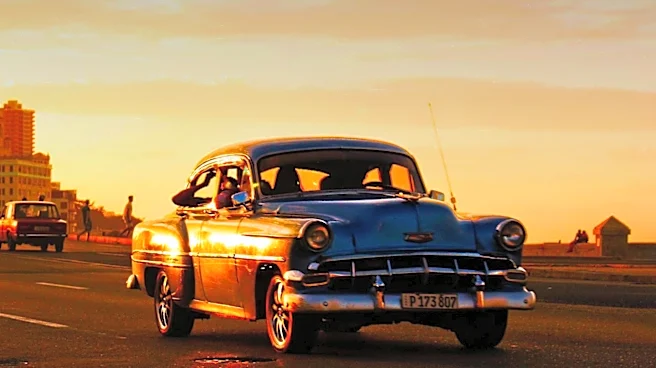








American Graffiti, directed by George Lucas, is a film that offers a vivid snapshot of life in 1962 Modesto, California. Released in 1973, the film captures the essence of a bygone era, characterized by cruising, rock 'n' roll, and teenage adventures. This article examines how American Graffiti authentically portrays the cultural and social landscape of 1962.
The Cruising Culture
One of the defining features of American Graffiti is its depiction of the cruising culture
that was prevalent in the early 1960s. The film follows a group of teenagers as they spend their last night of summer vacation driving around town, searching for excitement and connection. This portrayal of cruising as a social activity highlights the importance of cars as symbols of freedom and independence for American youth.
The film's setting in Modesto, California, adds to its authenticity. George Lucas, who grew up in Modesto, drew from his own experiences to create a realistic depiction of the town's cruising scene. The film's attention to detail, from the classic cars to the period-appropriate music, immerses viewers in the world of 1962.
The Soundtrack of an Era
Music plays a crucial role in American Graffiti, serving as both a backdrop and a driving force for the film's narrative. The film's soundtrack features a collection of rock 'n' roll hits from the late 1950s and early 1960s, including songs by artists like Bill Haley and the Beach Boys. This music not only sets the tone for the film but also evokes the spirit of the era.
The inclusion of Wolfman Jack, a legendary radio DJ, further enhances the film's authenticity. His voice, heard throughout the film, adds a layer of nostalgia and connects the characters' experiences to the broader cultural landscape of the time. The soundtrack's success, with its triple platinum certification, underscores the enduring appeal of the music from this period.
A Reflection of Social Dynamics
American Graffiti also reflects the social dynamics of 1962, capturing the hopes, dreams, and uncertainties of its teenage characters. The film explores themes of friendship, love, and the transition to adulthood, resonating with audiences who have experienced similar rites of passage.
The film's characters, each with their own distinct personalities and aspirations, represent the diverse experiences of American youth. From Curt's uncertainty about leaving for college to John's quest for adventure, the film portrays the universal challenges and joys of growing up.
In conclusion, American Graffiti offers an authentic snapshot of 1962, capturing the cultural and social essence of the era. Through its depiction of cruising, its iconic soundtrack, and its exploration of teenage life, the film remains a timeless reflection of a pivotal moment in American history.