







Over-the-air (OTA) updates represent a significant advancement in how software and firmware are delivered to electronic devices. This technology allows updates to be transmitted wirelessly, typically over Wi-Fi or cellular networks, eliminating the need for physical connections. The shift to OTA updates has revolutionized the maintenance and improvement of devices ranging from smartphones to cars, making the process more efficient and accessible for both
manufacturers and end-users. This method reduces costs, increases the speed of adoption for new features and fixes, and has become a standard practice in modern technology.
Early Days: Physical Connections and Embedded Systems
Before the advent of OTA updates, updating embedded systems was a far more cumbersome process. Devices like early mobile phones and other embedded electronics could only be updated through direct physical access. This often involved specialized tools such as a JTAG (Joint Test Action Group) interface, which allowed direct access to the device's internal circuitry for flashing new firmware. Alternatively, updates might be performed via wired connections, commonly using USB or a serial port, requiring the device to be tethered to a computer.This reliance on physical connections meant that distributing updates on a large scale was challenging and costly. Users had to actively connect their devices, which could be inconvenient and often required a certain level of technical proficiency. The process was time-consuming and limited the frequency with which manufacturers could deploy improvements or address issues. The introduction of OTA technology marked a departure from these traditional methods, paving the way for more dynamic and user-friendly update mechanisms.
The Rise of Wireless Updates in Mobile Devices
Smartphones and tablet computers were among the first consumer devices to widely adopt over-the-air updates. Initially, even these mobile devices often required a USB connection to a computer for software updates. However, as wireless networks became more prevalent and reliable, OTA updates became the standard. This change allowed users to download and install updates directly on their devices, enhancing convenience and ensuring that more users had access to the latest software.For example, Apple's iOS gained support for over-the-air updates starting with iOS 5. Apple exclusively distributes these updates, leading to high availability and rapid adoption rates, with major iOS releases typically installed on 60%–70% of iPhones within a few months. In contrast, Android OTA updates are more complex, as they are distributed by device manufacturers and sometimes wireless carriers, rather than directly by Google. This historically led to inconsistent availability and fragmentation within the Android ecosystem, posing challenges for app developers and raising security concerns due to delayed security patches.
Addressing Fragmentation and Enhancing Efficiency
Google has actively worked to mitigate Android fragmentation and improve the OTA update process. Initiatives like Project Treble, introduced in 2017, aimed to allow Original Equipment Manufacturers (OEMs) to release OS updates without needing to re-test hardware drivers for each new version. This streamlined the update pipeline, making it easier for manufacturers to deliver timely updates. Following this, Project Mainline in 2019 further reduced the role of intermediaries by enabling Google to update core Android components and deliver security patches directly through the Play Store, bypassing the need for a full OS update.Another significant advancement in Android's OTA implementation, starting with Android 8.0, is the adoption of an A/B partition scheme. This system allows an update to be installed to a secondary ("B") partition in the background while the device is still in use. The phone then switches to this updated partition upon its next reboot, significantly reducing the downtime required for installing updates. These continuous improvements highlight the ongoing evolution of OTA technology, making updates more seamless, efficient, and secure across a wide array of devices.
Beyond Mobile: Automotive and IoT Applications
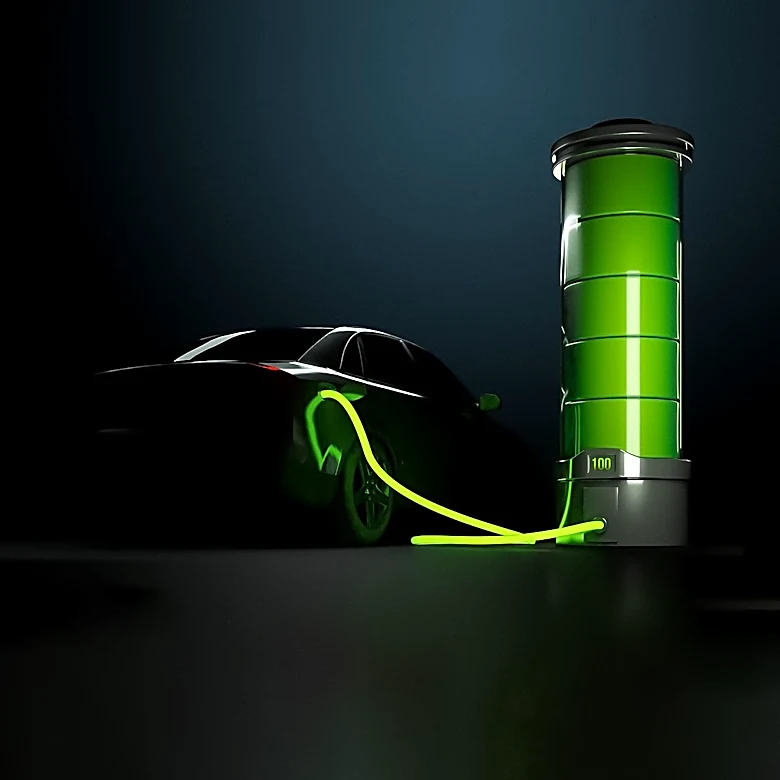
The benefits of OTA updates extend far beyond smartphones and tablets, finding critical applications in industries like automotive and the Internet of Things (IoT). Modern cars increasingly rely on OTA updates for their in-car entertainment systems, navigation maps, telematics control units, and electronic control units, which manage most of the car's operations. These updates are typically downloaded via cellular networks, similar to smartphones. While a car cannot be driven during an update installation, the process is designed with security checks to verify the update's authenticity and the integrity of affected systems post-installation.OTA updates offer substantial advantages for car manufacturers and owners. They eliminate the need for costly and inconvenient recalls for software-related issues, such as those seen with emissions control software or bugs affecting brakes and airbags. By enabling manufacturers to deploy new features and bug fixes quickly, OTA updates enhance market competitiveness and accelerate product improvements for consumers, including advancements in driver assistance systems and overall safety. In the IoT space, where devices are often remote or difficult to access, OTA programming (also known as Firmware Over-the-Air or FOTA) is crucial for updating sensor nodes and other embedded systems, saving significant time and money by avoiding physical access for reprogramming.