








Jersey fabric, a versatile knit material predominantly used for clothing, has a rich history rooted in the Channel Islands. Originally crafted from wool, this fabric has undergone significant transformations over centuries, incorporating cotton and various synthetic fibers to meet evolving demands for comfort, durability, and style. Its journey from a practical material for fishermen to a staple in modern fashion highlights its adaptability and enduring
appeal.
Origins in the Channel Islands
The story of jersey fabric begins in the Channel Islands, particularly on the island of Jersey itself. This region was a significant exporter of knitted goods as far back as the Middle Ages. The fabric was traditionally employed for functional garments like underwear and sweaters, especially for fishermen, who benefited from its warmth and flexibility. The name "Jersey" itself likely derives from English and Old Norse, meaning "island," a nod to its geographic birthplace and historical significance in textile production.
Material Transformations and Blends
While wool was the original material for jersey fabric, its composition has expanded considerably. Today, it is commonly made from wool, cotton, and synthetic fibers, or blends thereof. Popular blends often feature ratios like 50/50 or 60/40, combining the best properties of different materials. These material choices directly influence the fabric's durability and comfort, making it suitable for a wide array of clothing items, from T-shirts to underwear.
Modern jersey fabric is highly valued for its lightweight and stretchy characteristics. To achieve a soft texture and excellent drape, materials such as rayon or viscose are frequently used. Furthermore, to enhance stretchability, many contemporary versions of jersey fabric incorporate elastic fibers like Lycra, spandex, or elastane. This continuous evolution in material science has allowed jersey fabric to remain relevant and popular in the ever-changing world of fashion.
Knitting Techniques and Fabric Types
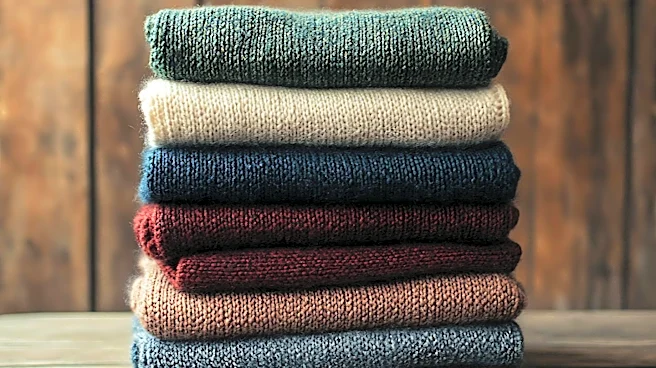
Jersey fabric is created through a specific knitting technique that interlocks yarns in a series of loops, resulting in a lightweight and stretchy material. This method makes it particularly well-suited for comfortable garments such as T-shirts, dresses, and sportswear. The versatility of jersey is further demonstrated by the different types of knits available.
Single jersey fabric, for instance, is a lightweight, stretchy material with one flat side and one piled side, commonly used for T-shirts. It is typically produced by circular knitting machines using a single set of needles, creating loops on one side and interlocking "V" shapes on the other. This fabric has a GSM range between 120 and 220, making it ideal for lightweight garments. It is known for its softness, air circulation properties, and moderate stretch, making it perfect for warm weather, baby clothing, casual wear, and yoga clothing. In contrast, double-knit jersey, also known as interlock jersey, is heavier and less stretchy. It is formed by knitting two layers of single jerseys together, resulting in a fabric with flat sides on both the exterior and interior, with piles in the center. This thicker knit is often used for polo shirts, especially those made from pima cotton, and is considered a more formal alternative to pique fabric. Other specialized types include jacquard jersey, which features complex patterns, clocqué jersey with a textured or quilted appearance, and stretch jersey, specifically blended with elastane or spandex for enhanced flexibility in activewear and form-fitting garments.