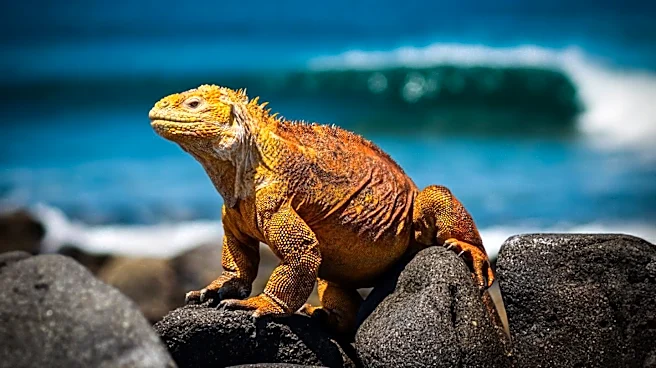



The green iguana, a popular reptile in the pet trade, presents unique challenges for owners due to its specific care requirements. While juveniles may appear small and inexpensive to feed, these animals can grow significantly, reaching up to 6 feet in length and weighing around 20 pounds. They also have the potential to live for up to 20 years in captivity, making proper long-term care crucial. Understanding their needs for diet, lighting, temperature,
and socialization is essential for ensuring a healthy and fulfilling life for a captive green iguana.
Dietary Requirements for Herbivorous Iguanas
Green iguanas are naturally herbivorous, meaning their diet consists primarily of plant matter. Although they may consume a wide variety of foods if offered, a precise ratio of minerals, specifically a 2 to 1 calcium to phosphorus ratio, is vital for their health. The best food sources are dark green leafy vegetables such as collard greens, turnip greens, and dandelion greens. Small portions of kale can be included, but it is too high in phosphorus for daily use. Hibiscus flowers and dandelions can also be added to their diet.
An ideal diet should consist of a greater percentage of dark greens, a moderate amount of squash, and less fruit. Accessible staple vegetables, greens, and fruits include collard greens, turnip greens, kale, parsnip, butternut squash, tomato, mango, blueberries, watermelon, and occasional apple or banana slices. Watercress can be offered as a treat. Providing the correct diet is paramount to preventing nutritional deficiencies and related health problems.
Environmental Needs: Heat, Light, and Habitat
As tropical animals, green iguanas require specific environmental conditions to thrive. They need temperatures ranging from 75 to 95 degrees Fahrenheit (24 to 32 degrees Celsius). Crucially, they also require a source of ultraviolet (UVA and UVB) lighting. Without proper UVB light, captive iguanas cannot synthesize vitamin D3, which is essential for calcium absorption. This deficiency leads to a severe condition known as Metabolic Bone Disease (MBD).
Metabolic Bone Disease is a fatal condition if left untreated, causing soft bones, stunted growth, permanent bone deformities, and frequent broken bones, potentially resulting in limb loss. Therefore, a UVB light source is not merely beneficial but absolutely necessary for a captive iguana's survival and well-being. The habitat should also be large enough to accommodate their potential adult size, as they will not grow properly without adequate space and the necessary UVB light.
Socialization and Long-Term Commitment
Socializing a green iguana can be a lengthy process, often taking several years. These reptiles possess individual personalities, requiring owners to adapt their approach. Around five to ten years of age, an iguana may exhibit bonding behaviors similar to those seen in mammalian pets, potentially developing a complex "need of attachment" that can include separation anxiety. Without frequent handling and socialization, iguanas can become hostile to interact with, and their large tails and sharp teeth can pose a threat to owners.
Beyond the time commitment for socialization, the financial aspects of owning a green iguana are also significant, given their dietary and habitat needs. Successfully raising a green iguana requires both considerable time and unwavering commitment from the owner, highlighting that these are not "disposable pets" but rather long-term companions with demanding care requirements.