





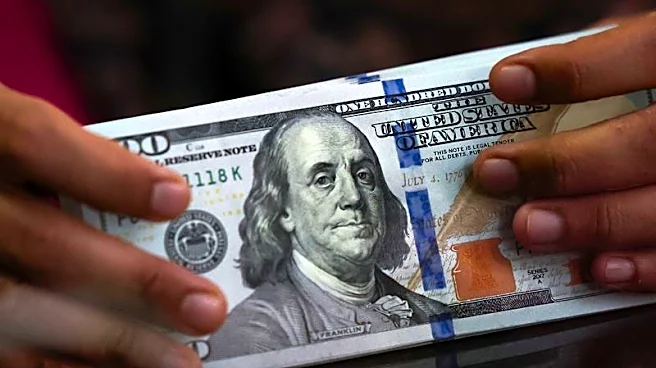
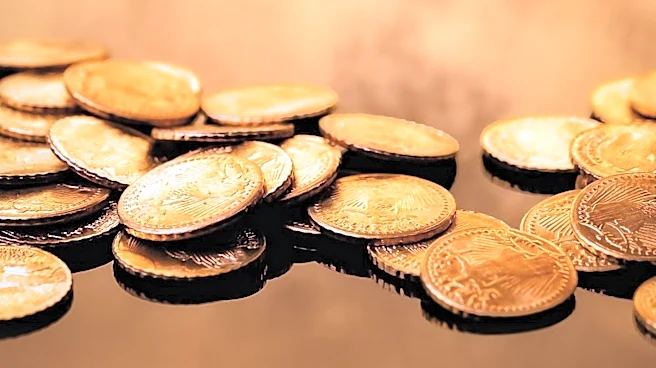
The United States dollar has a rich history that traces back to the Spanish dollar, a currency that was widely used in the Americas from the 16th to the 19th centuries. Over time, the U.S. dollar evolved from this Spanish influence to become the world's primary reserve currency. This transformation was marked by significant milestones, including the establishment of the Federal Reserve and the Bretton Woods Agreement of 1944.
Origins and Early Development
The origins of the United
States dollar can be traced back to the Spanish dollar, also known as the piece of eight, which was widely circulated in the Americas. The U.S. Mint began producing its own version of this currency in 1792, maintaining a similar silver content to the Spanish and Mexican silver dollars. These coins circulated alongside each other in the United States until the Coinage Act of 1857, which ended the legal tender status of foreign coins.
The Coinage Act of 1792 was a pivotal moment in the history of the U.S. dollar, as it established the dollar as the standard unit of money in the United States. This act also authorized the production of coins in various denominations, including the silver dollar, which became a staple of American currency. The early U.S. dollar coins were similar in size and value to the Spanish dollar, ensuring their acceptance in international trade.
The Gold Standard and the Federal Reserve
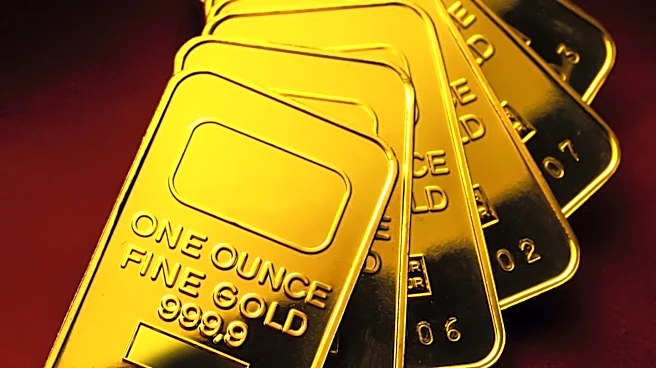
In the 19th century, the U.S. dollar underwent further changes with the adoption of the gold standard. This system linked the value of the dollar to a specific amount of gold, providing stability and confidence in the currency. However, the gold standard also limited the flexibility of monetary policy, as the supply of money was tied to the availability of gold.
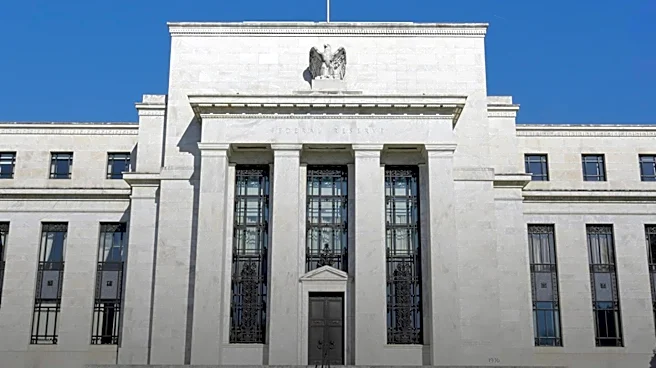
The establishment of the Federal Reserve System in 1913 marked another significant development in the history of the U.S. dollar. As the central bank of the United States, the Federal Reserve was tasked with managing the nation's monetary policy and issuing currency in the form of Federal Reserve Notes. This new system allowed for greater control over the money supply and helped stabilize the economy during times of financial crisis.
The Bretton Woods Agreement and Global Reserve Currency
The Bretton Woods Agreement of 1944 was a turning point for the U.S. dollar, as it established the dollar as the world's primary reserve currency. Under this agreement, the dollar was pegged to gold at a fixed rate of $35 per ounce, while other currencies were pegged to the dollar. This system facilitated international trade and investment, as the dollar became the preferred currency for global transactions.
Despite the end of the gold standard in 1971, the U.S. dollar has maintained its status as the world's foremost reserve currency. Today, it is held by governments and institutions around the world as a store of value and a medium of exchange. The dollar's dominance in international finance is a testament to its historical evolution and the economic strength of the United States.