










Regenerative braking is a fascinating technology that plays a crucial role in modern hybrid and electric vehicles. It is an energy recovery mechanism that slows down a moving vehicle by converting its kinetic energy into a form that can be stored and reused. This article delves into the technical workings and components of regenerative braking systems, highlighting how they contribute to vehicle efficiency and sustainability.
How Regenerative Braking Works
At the heart of regenerative
braking is the conversion of kinetic energy into electrical energy. When a vehicle equipped with this system decelerates, the electric motor that usually drives the vehicle is reversed to act as a generator. This process captures energy that would otherwise be lost as heat in traditional friction-based braking systems. The generated electrical energy is then fed back into the vehicle's energy storage system, such as a battery or capacitor, for later use.
This method contrasts with conventional braking systems, where excess kinetic energy is dissipated as heat due to friction. By recapturing energy during deceleration, regenerative braking not only improves vehicle efficiency but also reduces wear on mechanical braking components like discs and pads, extending their lifespan.
Components of Regenerative Braking Systems
Regenerative braking systems are composed of several key components that work together to capture and store energy. The primary component is the electric motor, which doubles as a generator during braking. This motor is connected to the vehicle's wheels and is responsible for converting kinetic energy into electrical energy.
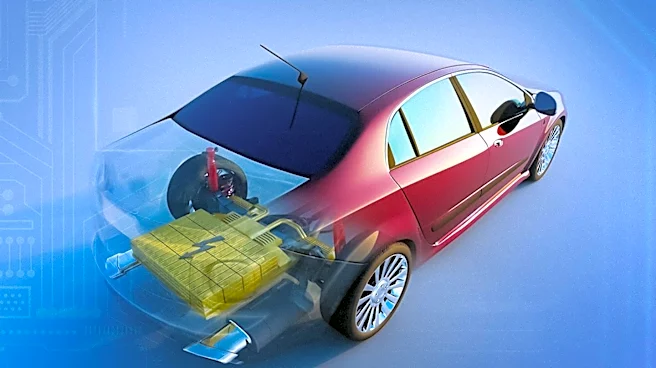
Another critical component is the energy storage system, which can be a battery, capacitor, or flywheel. This system stores the electrical energy generated during braking for future use, such as aiding in vehicle propulsion. In some systems, a hydraulic motor may be used to store energy in the form of compressed air.
Benefits and Limitations
The benefits of regenerative braking are significant, particularly in terms of energy efficiency and reduced wear on mechanical components. By capturing energy that would otherwise be wasted, these systems help extend the range of electric vehicles and improve fuel efficiency in hybrids.
However, regenerative braking is not without its limitations. It is not sufficient as the sole means of bringing a vehicle to a complete stop, especially at lower speeds. Therefore, it must be used in conjunction with traditional friction-based braking systems. Additionally, the effectiveness of regenerative braking can vary depending on the vehicle's speed and the state of charge of the energy storage system.
In conclusion, regenerative braking is a vital technology in the push towards more sustainable and efficient transportation. By understanding its mechanics and components, we can better appreciate its role in modern vehicle design.