
Sewing is one of the oldest textile arts, with a rich history that spans thousands of years. From its origins in the Paleolithic era to the transformative impact of the Industrial Revolution, sewing has
evolved significantly. This article delves into the historical journey of sewing, highlighting key milestones and changes that have shaped the craft into what it is today.
Ancient Beginnings
Sewing began as a necessity for early humans, who crafted garments from fur and leather using bone, antler, or ivory needles. These primitive tools were essential for survival, allowing humans to create clothing that protected them from harsh environments. The use of animal sinew, catgut, and veins as thread demonstrates the resourcefulness of early societies in utilizing available materials.
As civilizations advanced, sewing techniques became more refined. By the 14th century, the term "sewing" was officially recognized, marking a shift towards more organized practices. This period saw the development of more sophisticated methods and tools, laying the groundwork for future innovations.
The Industrial Revolution
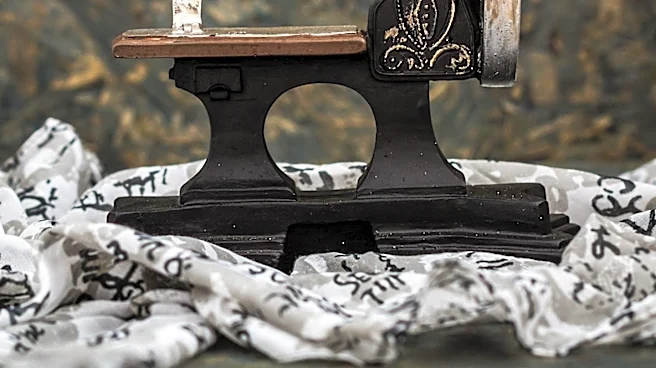
The Industrial Revolution marked a turning point in the history of sewing. The invention of the sewing machine in the 19th century revolutionized garment production, shifting it from a domestic activity to a mechanized industry. Thomas Saint's patent in 1790 was the first of its kind, paving the way for subsequent innovations.
By the 1840s, sewing machines began to appear more frequently, with Barthélemy Thimonnier introducing a machine to produce military uniforms for France. Despite initial resistance from tailors fearing job loss, the sewing machine's efficiency could not be denied. Isaac Singer's developments in the 1850s further enhanced the machine's capabilities, allowing for faster and more accurate production.
Impact on Society
The rise of sewing machines led to the mass production of garments, making clothing more accessible to the middle class. This shift also resulted in the growth of textile sweatshops, where poorly paid workers operated sewing machines in large cities. Despite the harsh conditions, these sweatshops played a crucial role in the expansion of the garment industry.
Tailors, meanwhile, became associated with high-end clothing, particularly in London, where Savile Row gained a reputation for quality handmade garments. The Industrial Revolution not only transformed sewing practices but also influenced societal norms, raising questions about gender roles and the morality of women working in industrial settings.