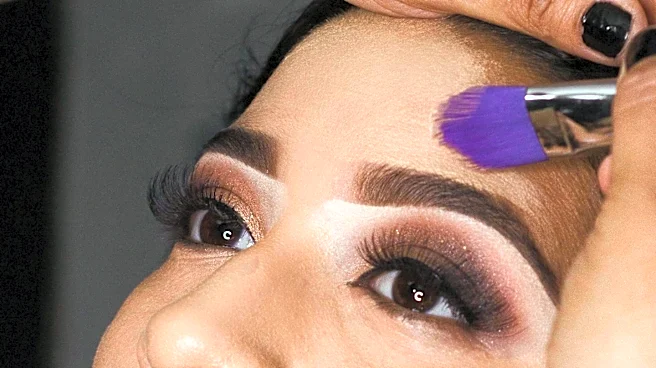








Microblading is a cosmetic tattooing technique that has gained popularity for creating natural-looking eyebrows. Unlike traditional tattoos, microblading is considered a semi-permanent makeup procedure. It involves the manual application of pigment into the upper layer of the dermis, using a specialized tool equipped with tiny blades. This method allows for the creation of fine, hair-like strokes, which contribute to a very realistic effect, enhancing
the shape and fullness of the eyebrows.
The technique is often chosen by individuals seeking well-groomed and defined eyebrows, or those looking to fill in sparse areas that might detract from their facial expression. It can also be particularly beneficial for people with thin eyebrows, those with aesthetic deformities such as scars, or simply for anyone wishing to avoid daily eyebrow makeup application. The goal is to achieve a harmonious and elongated look for the eyes.
The Microblading Process and Its Distinctive Tools
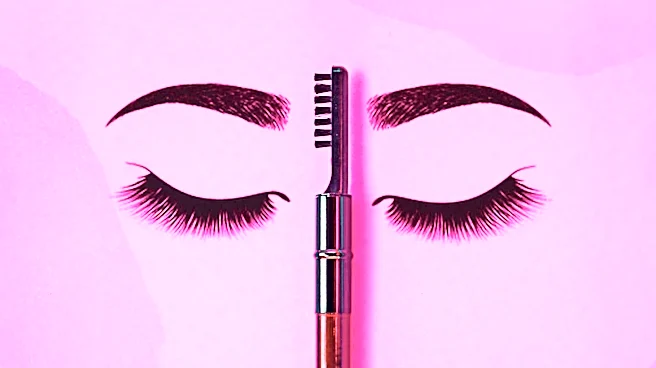
The microblading process begins with a consultation where the individual, in collaboration with a professional, selects the desired eyebrow shape based on their facial proportions. This careful planning ensures the final result complements the client's features. The actual procedure involves using a pen-like tool, which is composed of several small, aligned blades, often referred to as "blades." These blades are used to make delicate incisions in the skin, into which the chosen pigment is then deposited.
This manual method distinguishes microblading from traditional permanent makeup, which typically employs a machine and a single needle. The pigment used in microblading is specifically selected to match the client's natural hair color and skin tone, ensuring a seamless and natural appearance. The microblade penetrates only the upper part of the skin, and the pigment is simultaneously deposited to create the hair-like strokes, resulting in a feathered outline.
Durability and Aftercare of Microblading
The durability of microblading is not uniform for everyone, as it largely depends on the individual's skin type. Generally, the effects of this semi-permanent tattoo can last anywhere from nine months to two years. Several factors influence this duration, including the type of pigmentation used, daily habits, skin type, and the rate of cell turnover. For instance, individuals with oily skin may find that the strokes appear less defined and can deform or lose linearity over time, making the treatment less advisable for them.
After the microblading procedure, proper aftercare is crucial for achieving optimal results. It is common to observe the formation of small scabs in the days following the treatment, and it is important to keep the treated area well-hydrated. To extend the life of the microblading, touch-up sessions can be undertaken. These follow-up appointments help maintain the desired shape and color, ensuring the eyebrows remain looking their best for a longer period.
Contraindications and Considerations for Microblading
While microblading offers many benefits, it is not recommended for everyone. Certain individuals may have conditions that pose risks during or after the treatment. For example, pregnant women are generally advised against undergoing microblading. People with diabetes mellitus may experience difficulties with skin healing, making the procedure potentially problematic. Individuals with cardiovascular diseases could be at risk of excessive bleeding during the process.
Allergies are another important consideration. In such cases, a patch test is highly recommended to check for any adverse reactions to the pigments before proceeding with the full treatment. As mentioned, skin type plays a significant role; for those with oily skin, the results may be less satisfactory due to the potential for the strokes to become less defined and lose their crispness over time. Therefore, a thorough consultation with a professional is essential to assess suitability and discuss any potential risks or limitations.