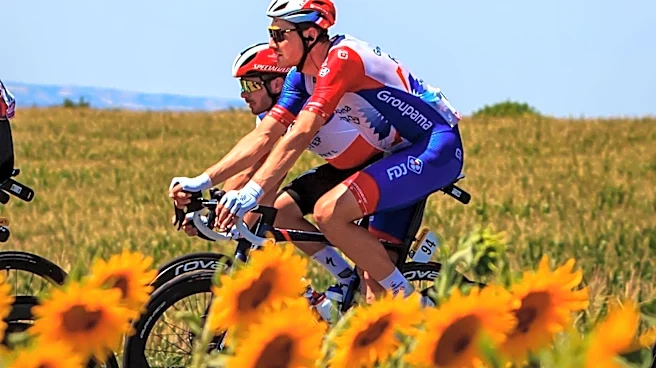








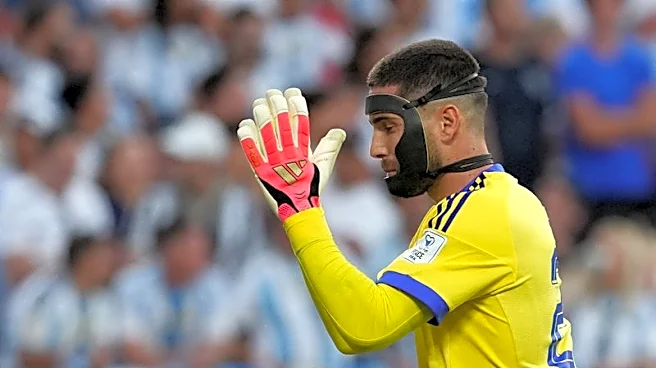


Sports medicine is a vital field dedicated to maintaining physical fitness and addressing injuries related to sports and exercise. This article explores how sports medicine specialists work to prevent injuries and provide effective treatment, ensuring athletes can perform at their best while minimizing the risk of harm.
Preventing Sports Injuries
One of the primary goals of sports medicine is to prevent injuries before they occur. Specialists in this field offer valuable advice
on nutrition, exercise, and supplements, helping athletes optimize their performance while reducing the likelihood of injury. By focusing on preventive measures, sports medicine professionals aim to keep athletes healthy and active.
Injury prevention strategies often involve educating athletes on proper techniques and training regimens. Sports medicine specialists work closely with coaches and trainers to develop programs that enhance performance while minimizing the risk of injury. This proactive approach is essential in maintaining the long-term health and well-being of athletes.
Treating Common Sports Injuries
Despite preventive efforts, injuries can still occur. Sports medicine specialists are equipped to handle a wide range of common sports injuries, including knee and shoulder injuries, fractures, ankle sprains, and concussions. These injuries typically affect soft tissue or bones and are often treated without surgery.
Treatment options vary depending on the severity of the injury. Common approaches include medication, physical therapy, and immobilization of the affected area. The PRICE method—protection, rest, ice, compression, and elevation—is a widely used treatment protocol for managing sports injuries. This method helps reduce pain and swelling, promoting faster recovery.
Rehabilitation and Recovery
Rehabilitation is a crucial aspect of sports medicine, focusing on helping athletes regain their strength and mobility after an injury. Physical therapy plays a significant role in the recovery process, guiding athletes through exercises that restore function and reduce discomfort.
Sports medicine specialists work collaboratively to create personalized rehabilitation plans tailored to each athlete's needs. This team-based approach ensures comprehensive care, addressing both the physical and psychological aspects of recovery. By supporting athletes throughout their rehabilitation journey, sports medicine professionals help them return to their activities safely and confidently.
In conclusion, sports medicine is integral to preventing and treating sports-related injuries. Through a combination of preventive strategies, effective treatment, and personalized rehabilitation, sports medicine specialists play a vital role in promoting the health and performance of athletes at all levels.