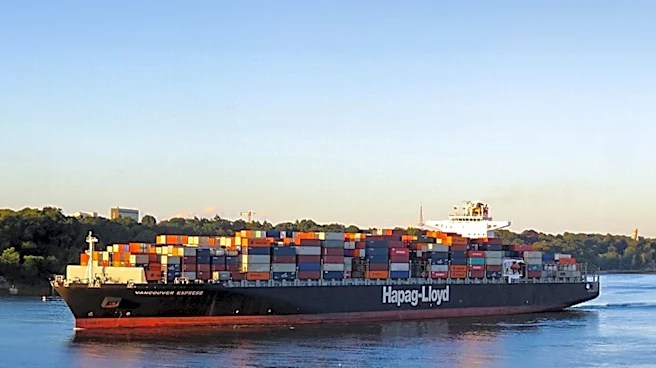










The St. Lawrence Seaway is a vital waterway that plays a significant role in international trade, particularly for the export of grain from Ontario to overseas markets. This intricate system of rivers, locks, canals, and channels connects the Atlantic Ocean to the Great Lakes, allowing oceangoing vessels to travel deep into the North American continent. By facilitating the movement of goods, the Seaway has become an essential component of the global
trade network.
The Structure and Function of the Seaway
The St. Lawrence Seaway extends from Montreal, Quebec, to Lake Erie, including the Welland Canal. This system allows ships from the Atlantic Ocean to reach ports in all five of the Great Lakes via the Great Lakes Waterway. The Seaway's design includes a series of locks and channels that accommodate large oceangoing vessels, enabling them to navigate the inland waters of North America. This infrastructure is crucial for the transportation of bulk commodities, such as grain, which are significant exports from the region.
The Seaway's operation is governed by a set of rules and regulations designed to ensure safe and efficient transit. For instance, a trained pilot is required for any foreign trade vessel navigating the Seaway. Additionally, the fees associated with using the Seaway are publicly known and were limited to a 3% increase in 2013, making it a cost-effective route for shippers.
Grain Exports and Economic Impact
Ontario's grain exports are a major component of the cargo moved through the St. Lawrence Seaway. The Seaway serves as the primary route for these exports, connecting Canadian grain producers with international markets. The ability to transport large quantities of grain efficiently and economically is vital for the competitiveness of Canadian agriculture on the global stage.
The economic impact of the Seaway extends beyond grain exports. The waterway generates significant business revenue annually, supporting industries and communities along its route. The movement of goods through the Seaway contributes to the economic vitality of the Great Lakes region, providing jobs and supporting local economies.
Challenges and Future Prospects
While the St. Lawrence Seaway has been instrumental in facilitating trade, it faces challenges that could impact its future role. Changes in international trade patterns, such as the shift in grain export destinations from Europe to South America, Asia, and Africa, have altered the dynamics of shipping through the Seaway. These changes make Gulf and West Coast ports more critical for 21st-century grain exports.
Despite these challenges, the Seaway remains a crucial component of North America's transportation infrastructure. Its ability to adapt to changing trade patterns and continue to provide a reliable route for the movement of goods will determine its future significance in international trade.