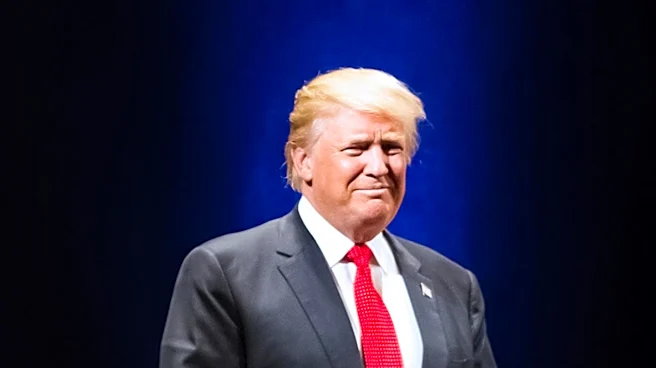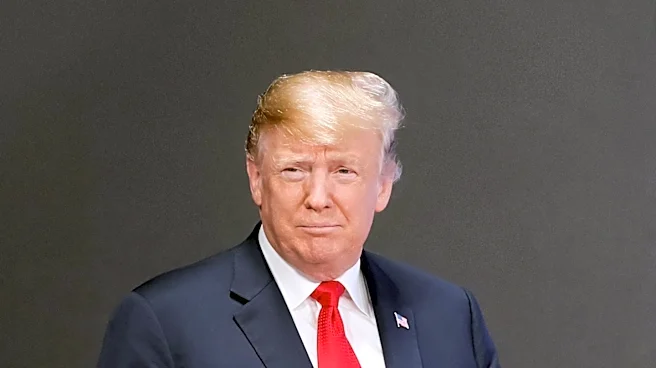




On July 13, 2024, an attempted assassination of Donald Trump took place during a campaign rally in Butler, Pennsylvania. This incident highlighted significant security lapses and led to widespread criticism of the Secret Service. The shooter, Thomas Crooks, used an AR-15-style rifle, injuring Trump and killing one person. The aftermath of the event saw intense scrutiny of the security measures in place and the leadership of the Secret Service.
The Incident and Immediate Response
During
the rally, Thomas Crooks fired eight shots at Donald Trump, striking him in the upper right ear. The Secret Service quickly shielded Trump and evacuated him from the scene. Unfortunately, the attack resulted in the death of a spectator, Corey Comperatore, and critically injured two others. Crooks was ultimately shot and killed by a member of the Secret Service Counter Sniper Team. This incident was one of the most serious security breaches involving Trump, who was running for a second term at the time.
The immediate response by the Secret Service was swift, but the fact that Crooks was able to fire multiple shots before being neutralized raised questions about the effectiveness of the security protocols in place. The incident underscored the challenges faced by security agencies in protecting high-profile political figures, especially during public events.
Criticism and Leadership Challenges
In the wake of the assassination attempt, Kimberly Cheatle, the then-director of the United States Secret Service, faced significant criticism. Cheatle, who was in Milwaukee at the time of the incident, acknowledged the failure of the Secret Service, calling it "unacceptable." Despite the criticism, she defended her position by stating that local law enforcement was responsible for securing the building from which Crooks launched his attack.
Cheatle's leadership came under intense scrutiny, with bipartisan calls for her resignation. On July 22, 2024, she testified before the United States House Committee on Oversight and Accountability, facing tough questions about the security lapses. The following day, Cheatle resigned from her position, and Ronald L. Rowe Jr. was appointed as the acting director.
Broader Implications for Security Protocols
The attempted assassination of Donald Trump in Pennsylvania had broader implications for security protocols surrounding political figures. The incident highlighted the need for a comprehensive review of security measures and the importance of coordination between federal and local law enforcement agencies.
The Secret Service faced calls to improve its recruitment and training processes, with a focus on attracting diverse candidates. The agency's commitment to diversity was criticized in the aftermath of the incident, with some commentators questioning whether it affected the effectiveness of protective teams. However, the Secret Service maintained that diversity in recruiting was beneficial to its operations.
Overall, the attempted assassination served as a wake-up call for security agencies, emphasizing the need for constant vigilance and adaptation to evolving threats.