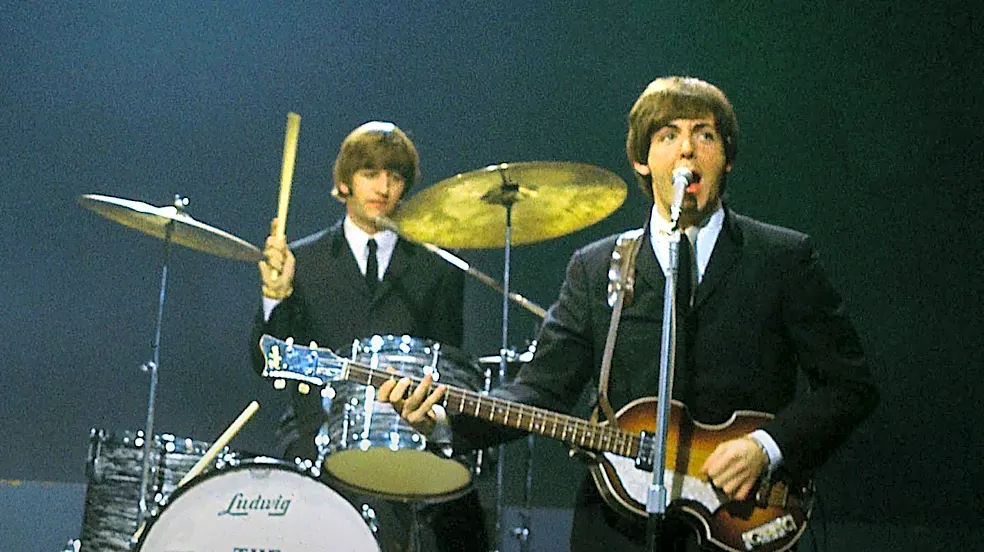





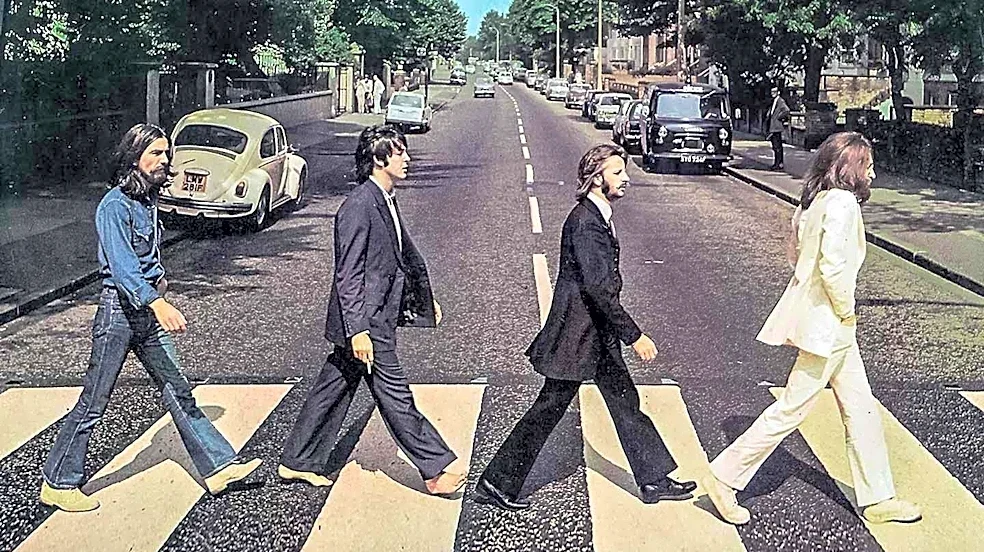


The "Paul is Dead" phenomenon, a pervasive conspiracy theory suggesting that Paul McCartney of The Beatles died in a car crash and was replaced by a look-alike, began to take root in the mid-1960s. What started as vague whispers about McCartney's well-being eventually escalated into a full-blown international sensation by late 1969. This elaborate hoax, which claimed the surviving Beatles communicated the secret through subtle clues in their albums
and artwork, captivated audiences and became a subject of academic analysis in the following decade.
Early Whispers and Press Inquiries
The initial seeds of the rumor were sown as early as 1966. Reports suggesting a decline in Paul McCartney's health began circulating in early 1966, setting a precedent for public concern. By September of that year, these health rumors intensified, evolving into more definitive reports that McCartney had actually died. Tony Barrow, The Beatles' press officer, documented in his book, *John, Paul, George, Ringo and Me*, that Fleet Street reporters started contacting him early that September. These journalists were seeking confirmation regarding the Beatle's health and even a possible death, indicating that the rumors were already gaining traction within media circles. Barrow, having recently spoken with McCartney, was able to deny these claims.
For the remainder of 1966, the "Paul is Dead" rumor was temporarily overshadowed by other circulating reports. These included speculation that Paul McCartney was embarking on a solo project and that The Beatles were on the verge of splitting up. These rumors were fueled by the band's temporary disappearance from the public eye and the postponement of their scheduled tours in late 1966, creating an environment ripe for speculation and misinformation.
The Theory Takes Hold and Spreads
The theory posits that following McCartney's alleged death in a car crash, the remaining Beatles, with assistance from Britain's MI5, replaced him with a look-alike to spare the public from grief. This replacement then supposedly communicated the secret through hidden details embedded within their album artwork and songs. Proponents of the theory actively sought out these perceived clues, and the act of "clue-hunting" proved highly infectious among fans.
By October 1969, the phenomenon had grown exponentially, transforming into an international sensation. The widespread belief and active participation in deciphering these supposed clues led to the theory becoming a significant cultural event. Its impact was such that it became a subject of analysis in the fields of sociology, psychology, and communications throughout the 1970s, highlighting its profound influence on public perception and media consumption. The enduring nature of the legend is further underscored by its inclusion in *Time* magazine's 2009 list of "the world's most enduring conspiracy theories." Even McCartney himself later parodied the hoax with the title and cover art of his 1993 live album, *Paul Is Live*, demonstrating the lasting cultural footprint of this intriguing and persistent rumor.