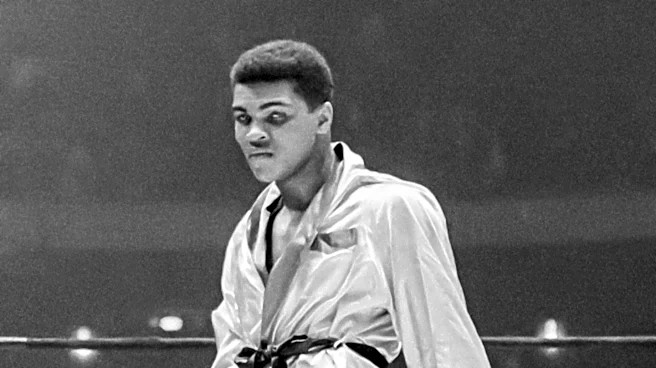







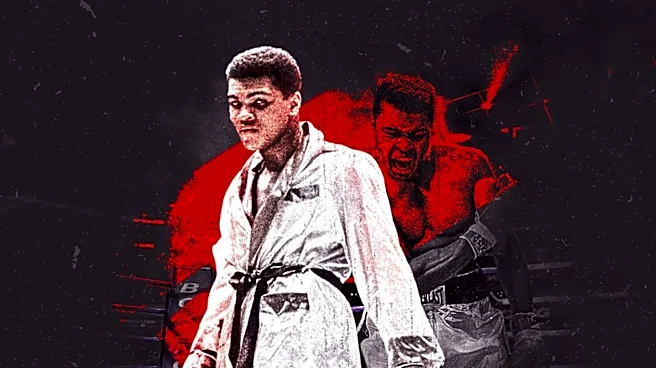
Muhammad Ali's decision to come out of retirement in 1980 to challenge Larry Holmes for the WBC and The Ring heavyweight titles was met with both excitement and significant concern. Billed as "The Last Hurrah," the fight on October 2, 1980, at Caesars Palace in Las Vegas, Nevada, was not just a contest for championship belts; it was a battle against time and the physical toll of a legendary career. A major point of contention and public discussion
leading up to the bout revolved around Ali's health, prompting rigorous medical examinations and raising questions about the ethics of allowing a 38-year-old former champion to step back into the ring against a younger, undefeated opponent.
Doubts and Declarations
Ali had initially retired in June 1979 after regaining the WBA world heavyweight title from Leon Spinks. By February 1980, he publicly stated he was 75% sure he would not return to fighting. However, this stance quickly shifted. In March, he agreed to fight John Tate, the then-WBA champion. This plan was short-lived as Tate lost his title to Mike Weaver. Ali then made a surprising announcement on April 16, 1980, declaring his intention to challenge Larry Holmes, the WBC champion. This unexpected turn of events immediately brought Ali's physical condition into sharp focus.
Concerns were not unfounded. Ali was 38 years old and had been out of competitive boxing for some time. The physical demands of a heavyweight championship fight are immense, and the potential risks for an aging fighter were considerable. The boxing community and the public alike questioned whether Ali was truly fit enough to compete at such a high level, especially against a formidable champion like Holmes, who had once been Ali's sparring partner.
The Mayo Clinic Examinations
Due to the widespread apprehension regarding Muhammad Ali's health, the Nevada State Athletic Commission mandated that the former champion undergo comprehensive medical examinations. These tests were a prerequisite for him to be granted a license to fight. Ali entered the prestigious Mayo Clinic in Minnesota on July 23, 1980, to undergo these crucial evaluations. The neurological examinations, which were particularly vital given the nature of boxing, were conducted by Dr. Frank Howard.
Despite the underlying concerns and the thoroughness of the medical scrutiny, Ali was ultimately cleared to fight. This decision paved the way for the highly anticipated clash with Larry Holmes. However, the medical clearance did not entirely quell the doubts. Many observers remained uneasy about the potential long-term consequences for Ali, especially considering the physical punishment he had endured throughout his career. The fight itself, which Holmes dominated, saw Ali take significant blows, leading his trainer to stop the fight in the tenth round. This outcome, and the subsequent belief that the fight contributed to Ali's Parkinson's syndrome, underscored the validity of the medical concerns that preceded "The Last Hurrah."