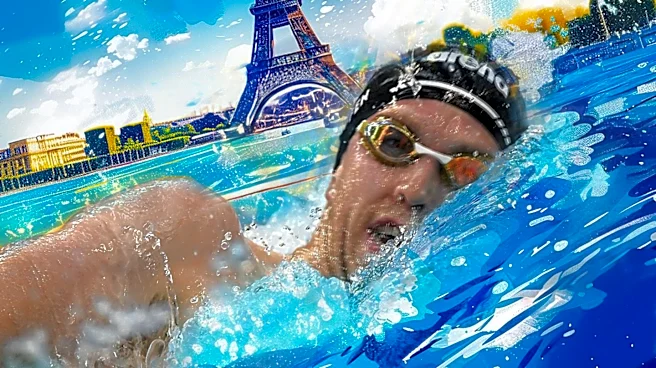






The men's 100 meter freestyle at the 1948 Summer Olympics was a significant event, marking a return to the Olympic stage after a 12-year hiatus due to World War II. Held at Wembley Arena, this race was not only a test of speed and endurance but also a symbol of international unity and competition. With 41 competitors from 19 nations, the event showcased the world's best swimmers, culminating in a thrilling final that saw the United States reclaim
its dominance in the sport.
The Competitors and Format
The 1948 men's 100 meter freestyle featured a diverse group of athletes from around the globe. Nations were limited to three swimmers each, a rule in place since the 1924 Games, ensuring a wide representation. The competition format consisted of three rounds: heats, semifinals, and the final. The top two swimmers from each heat, along with the next four fastest, advanced to the semifinals. From there, the top three in each semifinal, plus the next two fastest, moved on to the final.
This structure allowed for a fair and competitive environment, where only the best would reach the final stage. The event was particularly notable for the absence of Japanese swimmers, as Japan was not invited to the Games following World War II. This absence ended Japan's three-Games medal streak in the event, opening the field for other nations to shine.
The Final Showdown
The final of the men's 100 meter freestyle was a highly anticipated race. Wally Ris of the United States emerged victorious, clocking a time of 57.3 seconds, which set a new Olympic record. His win marked the sixth victory for an American in this event, reinforcing the United States' strong tradition in swimming. Alan Ford, also from the United States, secured the silver medal, while Géza Kádas of Hungary took home the bronze.
The race was a testament to the skill and determination of the athletes, with Ris's performance standing out as a highlight. His victory not only brought glory to his nation but also symbolized a return to form for American swimming after a one-Games absence from the podium.
Legacy and Impact
The 1948 men's 100 meter freestyle left a lasting impact on the sport. It was a demonstration of resilience and excellence, occurring in a post-war world eager for peace and camaraderie. The event also highlighted the evolving nature of competitive swimming, with new techniques and training methods coming to the fore.
For the United States, the success of Ris and Ford reinforced their status as a powerhouse in swimming. For Hungary, Kádas's bronze was a significant achievement, marking the nation's third medal in four Games. The 1948 Olympics, and this event in particular, set the stage for future competitions, inspiring a new generation of swimmers to strive for greatness.