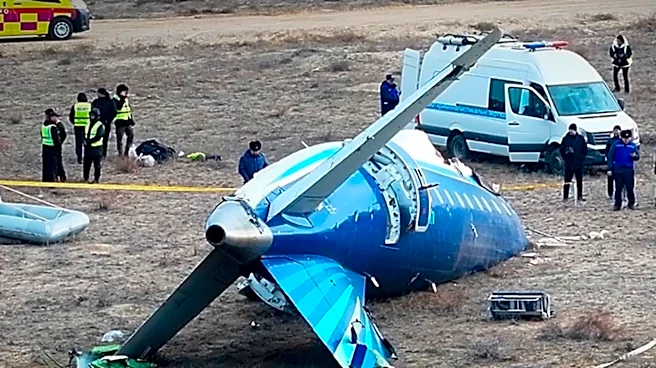












The crash of Asiana Airlines Flight 214 on July 6, 2013, at San Francisco International Airport was a tragic event that highlighted the critical role of human factors in aviation safety. The accident, which resulted in three fatalities and numerous injuries, was primarily attributed to pilot error and fatigue, underscoring the importance of addressing these issues in the aviation industry.
Pilot Error and Its Consequences
Asiana Airlines Flight 214 was on its final approach to San
Francisco when the pilots failed to maintain the necessary speed for a safe landing. The engines were idle, and the aircraft was flying significantly slower than required. In the crucial moments before the crash, the pilots attempted a go-around maneuver, but their decision came too late to prevent the aircraft from striking a seawall at the runway's edge.
The investigation into the crash revealed that the pilots' inability to manage the aircraft's speed and their delayed response were key factors in the accident. This incident highlighted the need for rigorous training and adherence to standard operating procedures to ensure pilots can effectively handle unexpected situations.
The Impact of Fatigue
Pilot fatigue was identified as a contributing factor in the crash of Flight 214. Fatigue can impair a pilot's cognitive functions, reducing their ability to make quick and accurate decisions. In this case, the pilots' delayed reaction to the aircraft's low speed and their failure to execute a timely go-around maneuver were indicative of the detrimental effects of fatigue.
The aviation industry has long recognized the dangers of pilot fatigue, and this incident served as a stark reminder of the need for effective fatigue management strategies. Ensuring that pilots are well-rested and alert is crucial for maintaining safety in the skies.
Lessons for the Future
The crash of Asiana Airlines Flight 214 prompted a reevaluation of training programs and safety protocols within the aviation industry. Emphasizing the importance of human factors, such as pilot error and fatigue, has become a priority for airlines and regulatory bodies alike.
In the aftermath of the crash, there has been a renewed focus on improving pilot training to better prepare them for handling emergencies. Additionally, airlines have been encouraged to implement more robust fatigue management systems to ensure pilots are fit to fly.
Ultimately, the tragedy of Flight 214 serves as a reminder of the complex interplay between human factors and aviation safety. By addressing these issues, the industry can work towards preventing similar accidents in the future, ensuring the safety and well-being of passengers and crew alike.