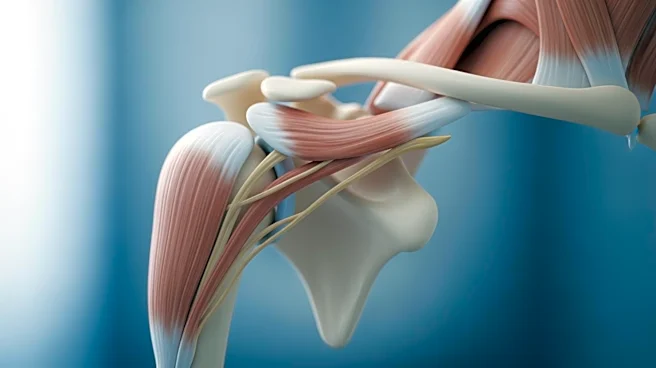








Rotator cuff injuries are a common issue, particularly among individuals who engage in activities involving repetitive shoulder motions. These injuries can lead to significant pain and restricted movement, impacting daily life and athletic performance. Understanding the causes and risk factors associated with rotator cuff injuries is crucial for prevention and effective management.
Common Causes of Rotator Cuff Injuries
Rotator cuff injuries often result from repetitive overhead motions
or forceful pulling motions. These actions can cause wear and tear on the tendons, leading to inflammation or tears. Athletes are particularly susceptible to these injuries due to the nature of their sports. For instance, baseball pitchers and tennis players frequently perform overhead motions that can strain the rotator cuff.
In addition to sports, certain occupations and activities can increase the risk of rotator cuff injuries. Firefighters, for example, often engage in physically demanding tasks that involve lifting and pulling, which can put stress on the shoulder. Similarly, weightlifters, especially those who perform heavy bench presses, are at risk due to the extreme weights involved.
Risk Factors for Rotator Cuff Injuries
Several factors can increase the likelihood of sustaining a rotator cuff injury. Age is a significant risk factor, as the tendons naturally degenerate over time, making them more prone to injury. Individuals over the age of 40 are particularly at risk, as the tendons become less flexible and more susceptible to tears.
Certain sports and activities also pose a higher risk for rotator cuff injuries. Athletes involved in sports that require repetitive shoulder movements, such as swimming, volleyball, and cricket, are more likely to experience these injuries. Additionally, occupations that involve heavy lifting or repetitive arm motions can increase the risk.
Preventing Rotator Cuff Injuries
Preventing rotator cuff injuries involves a combination of proper technique, strength training, and flexibility exercises. Athletes should focus on maintaining good form during their activities to reduce unnecessary strain on the shoulder. Strengthening the muscles around the shoulder can also provide better support and stability, reducing the risk of injury.
Flexibility exercises are equally important, as they help maintain the range of motion in the shoulder joint. Regular stretching can prevent stiffness and improve overall shoulder function. For those in high-risk occupations, taking regular breaks and using proper lifting techniques can help minimize the risk of injury.
Understanding the causes and risk factors of rotator cuff injuries is essential for prevention and effective management. By taking proactive measures, individuals can reduce their risk and maintain healthy shoulder function.