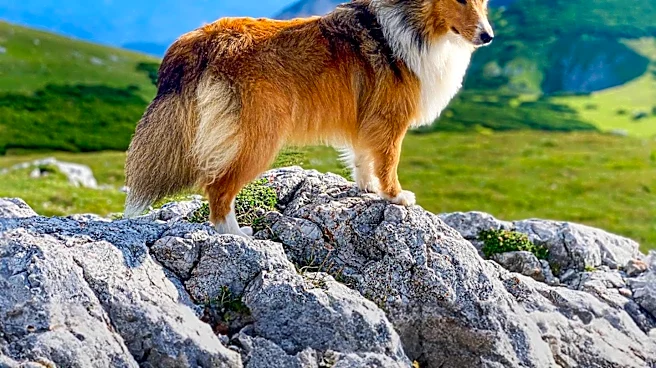



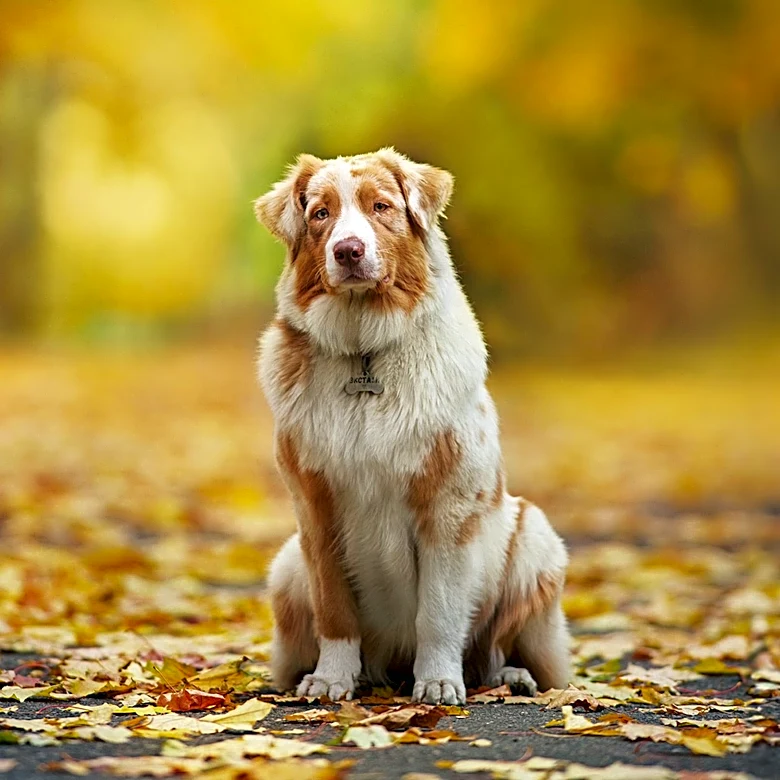



The Finnish Lapphund is a breed with a rich history, deeply rooted in the traditions of reindeer herding in Finland. This Spitz-type dog has evolved over the years, adapting to the needs of its environment and the people who relied on it. Understanding the evolution of the Finnish Lapphund provides insight into how this breed became the beloved companion it is today.
Origins and Early Development
The Finnish Lapphund's origins can be traced back to the reindeer-herding dogs used
by the Sami people in Lapland. These dogs were essential for managing reindeer herds, a crucial part of the Sami way of life. In the 1930s, these herding dogs were brought to southern Finland, where they were crossed with the long-haired Karelian Bear Dog. This crossbreeding led to the development of a new breed known as Cockhill's Finnish Lapphound, which was officially registered as the Lapponian Shepherd in 1945.
During the mid-20th century, the Finnish Kennel Club recognized the need to distinguish between different types of herding dogs. In 1967, they decided to split the Lapponian Shepherd into two separate breeds: the Finnish Lapphund and the Lapponian Herder. This decision marked a significant turning point in the breed's history, allowing the Finnish Lapphund to develop its unique characteristics.
The Decline and Resurgence
Despite its initial popularity, the Cockhill's Finnish Lapphound began to decline in the 1980s. The Finnish Lapphund gained popularity, overshadowing its predecessor. As a result, Cockhill's Finnish Lapphound eventually vanished, but its legacy lived on in the bloodlines of the Finnish Lapphund. This breed's resurgence can be attributed to its adaptability and the growing interest in preserving traditional breeds.
The Finnish Lapphund's thick, water-resistant coat and friendly demeanor made it an ideal companion for families and individuals alike. Its ability to thrive in various environments contributed to its renewed popularity, both in Finland and internationally. In 2011, the American Kennel Club recognized the Finnish Lapphund, further solidifying its status as a beloved breed.
Modern-Day Finnish Lapphund
Today, the Finnish Lapphund is celebrated for its versatility and gentle nature. While it continues to be used for herding in some regions, it has also found a place in many homes as a loyal and affectionate pet. The breed's history of adaptation and resilience is reflected in its modern-day role as both a working dog and a family companion.
The Finnish Lapphund's journey from a reindeer herding dog to a cherished pet highlights the importance of preserving traditional breeds. Its evolution is a testament to the enduring bond between humans and dogs, showcasing how breeds can adapt to meet the changing needs of society while maintaining their unique heritage.