




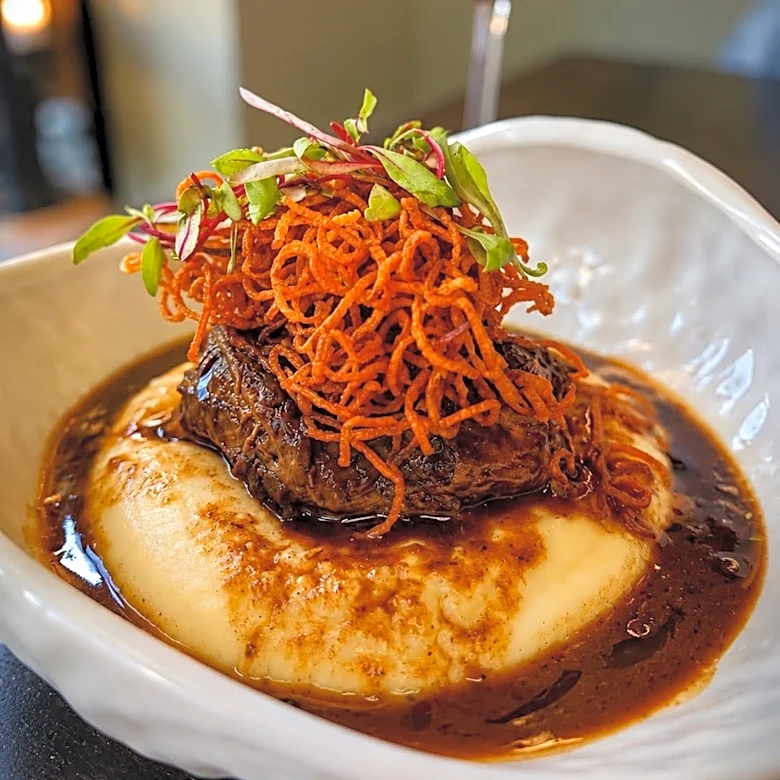




Comfort food is a universal concept, though its specific manifestations vary widely across cultures and regions. At its heart, comfort food provides a sense of nostalgia or sentimental value, often characterized by its satisfying heartiness and an association with childhood or home cooking. While the term gained modern prominence in the U.S., the underlying human need for emotionally resonant food is a global phenomenon. From the hearty stews of Europe
to the flavorful curries of India, comfort foods offer a culinary embrace, connecting individuals to their heritage and providing solace through familiar tastes.
European Comforts: From British Classics to Austrian Delights
Europe boasts a rich tapestry of comfort foods, each deeply embedded in its respective national cuisine. In the United Kingdom, a long list of dishes evokes a sense of warmth and familiarity. Bangers and mash, a simple yet satisfying combination of sausages and mashed potatoes, stands out as a quintessential British comfort. Other beloved items include beef stew, cauliflower cheese, fish and chips, and the iconic shepherd's pie or cottage pie. Pies, in general, hold a special place, with varieties like cheese and onion, fish, meat and potato, pork, and steak and kidney pies offering diverse comforting experiences. Puddings, such as bread and butter pudding and jam roly-poly, provide a sweet end to a comforting meal.
Moving eastward, Austrian cuisine offers its own array of comforting dishes. Specialties like Apfelstrudel, a classic apple pastry, and Wiener Schnitzel, a breaded and fried cutlet, are deeply cherished. Hearty soups like Frittatensuppe and Grießnockerlsuppe provide warmth, while dishes such as Gulaschsuppe and Paprikahendl offer rich, flavorful experiences. These foods are not just meals; they are culinary traditions passed down through generations, embodying the essence of home and cultural identity.
Global Variations: From Australian Roasts to Egyptian Staples
Beyond Europe, comfort food traditions continue to diversify. In Australia, the concept of comfort food often includes substantial, home-style meals. Roast meat, particularly beef, chicken, or pork with crackling, alongside roast potatoes, is a common comforting choice. Other Australian favorites include meat pies, pea and ham soup, and the sweet indulgence of sticky date pudding. The influence of British cuisine is evident in some dishes, but Australian comfort food also incorporates unique local flavors and preparations, reflecting its distinct culinary landscape.
In Egypt, a staple like Ful medames, a dish of stewed fava beans, serves as a fundamental comfort food, often served with hard-boiled eggs. This simple yet nutritious dish is a cornerstone of Egyptian daily life, providing sustenance and a sense of tradition. The presence of such foundational dishes across different cultures highlights a common thread: comfort foods are often accessible, deeply ingrained in daily life, and provide a sense of stability and well-being. Whether it's a hearty stew, a familiar pastry, or a traditional bean dish, these foods transcend geographical boundaries, offering a universal language of comfort through taste and memory.