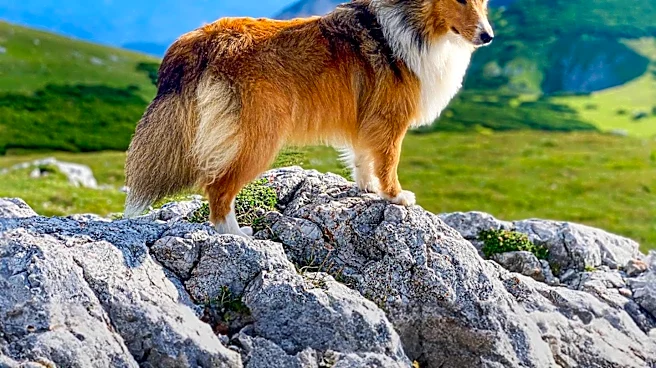









The Icelandic Sheepdog is a breed with a rich history that dates back to the Viking Age. This Nordic Spitz-type dog is the only breed indigenous to Iceland, and its journey through time is marked by both challenges and triumphs. From its origins with Viking settlers to its near extinction and eventual revival, the Icelandic Sheepdog's story is a testament to resilience and cultural significance.
Origins and Early History
The Icelandic Sheepdog's roots can be traced back to
the ninth century when Viking settlers brought their dogs to Iceland. These dogs were similar to the Buhund of Norway and the Vallhund and Norrbottenpets of Sweden, all deriving from the same ancestral stock. The breed quickly became an integral part of Icelandic life, primarily used for herding sheep and horses, a role it continues to fulfill today.
During the Middle Ages, the Icelandic Sheepdog gained recognition beyond Iceland due to commerce with other European countries. By the late 15th century, the breed was known in England and France, with early descriptions dating back to 1492. The breed's unique characteristics, such as its fox-like head, were noted by various writers, including John Caius in 1570 and William Shakespeare in his play "Henry V."
Challenges and Near Extinction
Despite its early popularity, the Icelandic Sheepdog faced significant challenges in the late 19th century. Plague and canine distemper devastated the breed, wiping out over 75% of its population. This led to a ban on the importation of dogs to Iceland in an effort to protect the remaining dogs from further disease.
By the mid-20th century, the breed was once again on the brink of extinction. The introduction of other dog breeds, mainly collies, threatened the purity of the Icelandic Sheepdog's gene pool. However, efforts to save the breed were initiated, most notably by Mark Watson, who established a breeding program to preserve the breed's unique characteristics.
Revival and Cultural Significance
The revival of the Icelandic Sheepdog began in earnest in the late 20th century. In 1969, the Icelandic Kennel Club was formed, and by 1973, the breed was prominently featured in dog shows. The establishment of the Icelandic Sheepdog Breed Club in 1979 further solidified efforts to protect and promote the breed.
In 1994, the Icelandic parliament recognized the breed as part of the country's cultural heritage, ensuring its protection as a national breed. The formation of the Icelandic Sheepdog International Cooperation in 1996, with member clubs across Europe and the American Kennel Club, further supported the breed's preservation.
Today, the Icelandic Sheepdog is celebrated not only for its herding abilities but also as a symbol of Icelandic culture and history. Its journey from near extinction to cultural icon highlights the importance of preserving native breeds and the rich heritage they represent.