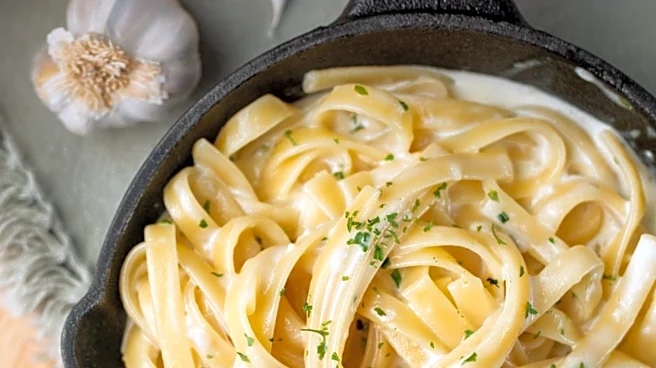







Fettuccine Alfredo, a dish that originated in Rome in the early 20th century, has undergone a significant transformation in the United States, evolving from a simple, three-ingredient pasta preparation into a widely commercialized and varied sauce. While its Roman creator, Alfredo Di Lelio, envisioned a dish of fettuccine, butter, and Parmesan cheese, the American palate and market demands have led to numerous adaptations, including the widespread
availability of pre-made Alfredo sauces in supermarkets across the country. This evolution highlights how a classic Italian dish can be reinterpreted and integrated into a different culinary landscape.
Early American Popularity and Culinary Adaptations
The popularity of Fettuccine Alfredo among Americans began early, with travelers to Rome often seeking out Di Lelio's restaurant. American newspapers, magazines, cookbooks, and guidebooks extolled "Alfredo's noodles" as early as the 1920s. George Rector, an American food writer, vividly described Alfredo's elaborate tableside preparation, which included golden cutlery and violin music, further romanticizing the dish for an American audience. This early exposure laid the groundwork for its eventual widespread adoption.
However, as the dish moved from Roman trattorias to American kitchens and restaurants, its composition began to change. The original recipe, focused on the emulsification of butter and "young" Parmesan cheese with hot pasta, was often augmented. A notable shift occurred in 1966 when the Pennsylvania Dutch Noodle Company started selling dried "fettuccine egg noodles" with an "Alfredo" recipe on the package that included not only Parmesan and butter but also Swiss cheese and cream. This addition of cream, intended to thicken and enrich the sauce, became a defining characteristic of Americanized Alfredo, despite some Italian-American chefs arguing that it dulls the flavor of the cheese.
The Rise of Commercial Alfredo Sauces
The demand for convenience and the dish's growing popularity led to the commercialization of Alfredo sauce. In the United States, shelf-stable Alfredo sauce is now a common sight in grocery stores, sold by numerous brands in glass jars. Companies like Ragú, Trader Joe's, Whole Foods Market, Bertolli, Kroger, Classico, Prego, Rao's, Newman's Own, Signature Select, and Saclà offer their versions, catering to home cooks seeking a quick way to prepare the dish. These sauces are marketed at various price points and quality levels, reflecting the diverse consumer base.
Beyond shelf-stable options, fresh Alfredo sauces are also available, typically sold in plastic tubs that require refrigeration. Brands such as Giovanni Rana and Buitoni are prominent in this segment. For those who prefer to mix their own, the Alaska Seasoning Company produces an "Alfredo sauce powder," a spice mix to which cream is added to create a "restaurant style Alfredo Sauce." This variety in commercial offerings underscores the sauce's deep integration into American food culture, moving far beyond its original simple preparation.
Global Reach and Culinary Debates
The American influence on Alfredo sauce has even extended internationally. The British retailer ASDA, for example, sells a product called "New York creamy chicken Alfredo sauce," indicating how the American interpretation of the dish has become a recognized style globally. Major Italian-American restaurant chains in the U.S., such as Olive Garden and Carrabba's Italian Grill, widely serve and advertise the dish, further solidifying its place in mainstream American dining.
Despite its popularity, the Americanized version of Alfredo sauce, particularly with the addition of cream, has sparked debate among food writers and culinary purists. Some American food writers advocate for adhering to Di Lelio's original three-ingredient formula, arguing that cream detracts from the cheese's flavor. The dish has both its enthusiasts, who find it tempting and satisfying, and its detractors, with one nutrition advocate famously describing it as a "heart attack on a plate." Regardless of these differing opinions, the journey of Alfredo sauce from a Roman family meal to a ubiquitous American supermarket staple illustrates a fascinating chapter in culinary adaptation and commercial success.