



The 1969 Talladega 500 marked the beginning of what would become a storied event in NASCAR history. Held at the newly constructed Alabama International Motor Speedway, now known as Talladega Superspeedway, the race was marred by controversy and challenges. This inaugural event is remembered not only for its competitive spirit but also for the significant issues that arose, including a driver boycott and a disputed victory.
The Birth of Talladega Superspeedway
Talladega Superspeedway was
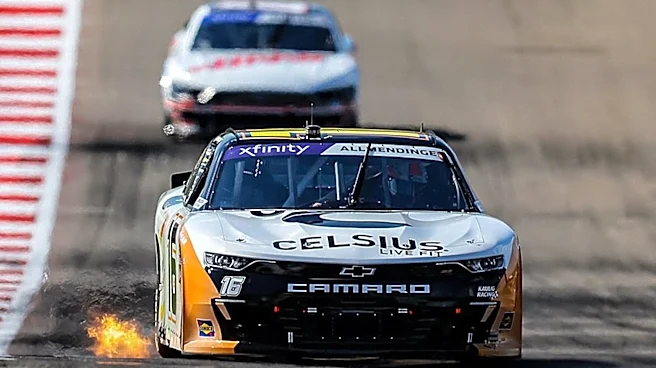
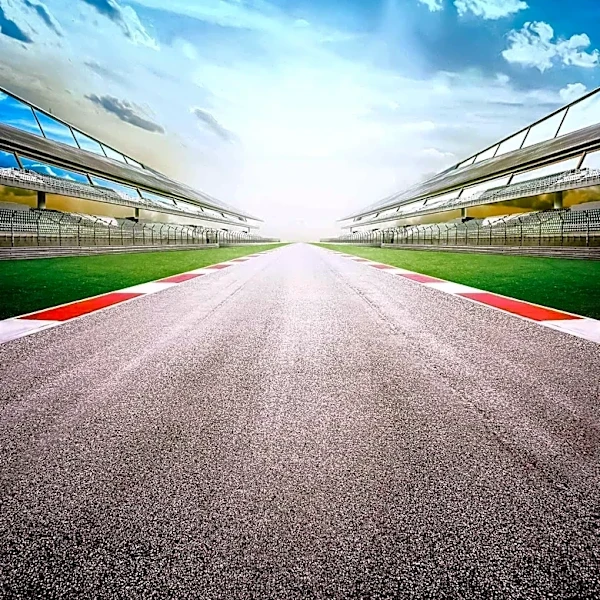
constructed in the 1960s by the International Speedway Corporation, a business controlled by the France family. Located on the former Anniston Air Force Base in Lincoln, Alabama, the track was designed as a tri-oval and became known for its steep banking and unique start/finish line placement. At 2.66 miles, it is the longest NASCAR oval, and at its peak, it could accommodate 175,000 spectators. The track was intended to host major NASCAR events, including the Cup Series, Xfinity Series, and the Gander Outdoors Truck Series.
The inaugural race, held on September 14, 1969, was part of the NASCAR Grand National Series. However, the event faced significant challenges from the outset. The track's construction was barely completed in time, and safety concerns quickly arose, leading to a series of events that would cast a shadow over the race.
The Tire Controversy and Driver Boycott
The 1969 Talladega 500 is perhaps best remembered for the tire controversy that led to a driver boycott. During tire testing, drivers reported severe handling problems, with tires being destroyed after just a few laps. This issue was part of a larger "tire war" between manufacturers Firestone and Goodyear, who were competing to provide the best-performing tires. Despite efforts to resolve the issue, including flying in harder compound tires, the problems persisted.
The Professional Driver Association (PDA), led by Richard Petty, decided to boycott the race due to these safety concerns. NASCAR president Bill France refused to postpone the race, leading to a standoff. Most of the PDA drivers, except for Richard Brickhouse, who was coerced by Chrysler to drive their new car, left the event. This left a depleted field of competitors, with Jim Vandiver and Bobby Isaac among the few who stayed.
A Disputed Victory and Lasting Impact
Despite the challenges, the race went ahead with approximately 62,000 fans in attendance. Bill France offered free admission to the 1970 Daytona 500 to those who attended the Talladega 500, hoping to mitigate the impact of the boycott. The race introduced the Dodge Charger Daytona cars, and Richard Brickhouse emerged as the winner, marking his only victory in the Cup Series. However, the victory was disputed by Jim Vandiver, who claimed he had actually won.
The 1969 Talladega 500 is often referred to as the worst race in NASCAR history due to the controversies and the boycott. The PDA disbanded soon after, and it wasn't until 2014 that another union-like organization, the Race Team Alliance, was formed in NASCAR. Despite its rocky start, the Talladega 500 has become a staple of the NASCAR calendar, known for its high-speed action and competitive racing.