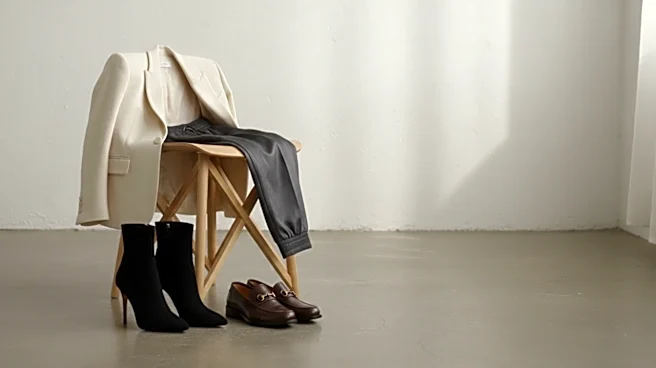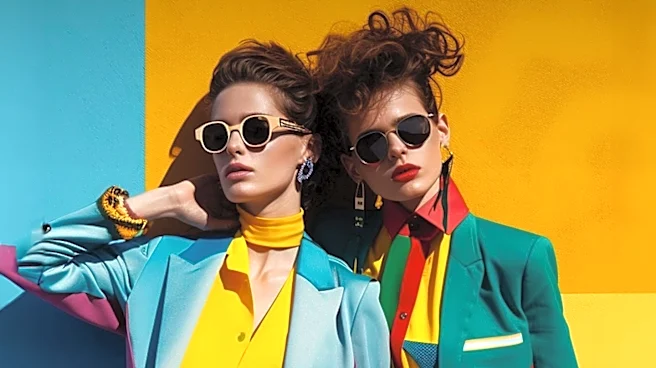



The 1980s was a decade of bold fashion choices and significant shifts in style. It marked a departure from the psychedelic and ornate fashions of the 1970s, embracing a new era characterized by vibrant colors and daring designs. This period saw the rise of punk fashion as a reaction against the previous decade's hippie movement and the materialism of the 1980s. As the decade progressed, fashion evolved to include power dressing and alternative styles,
reflecting the diverse cultural influences of the time.
Punk Fashion and Its Rebellion
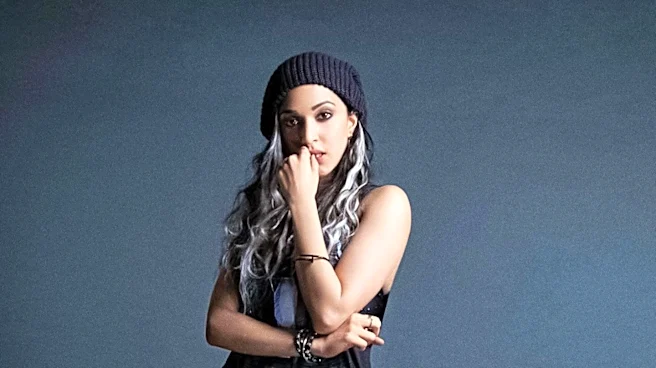
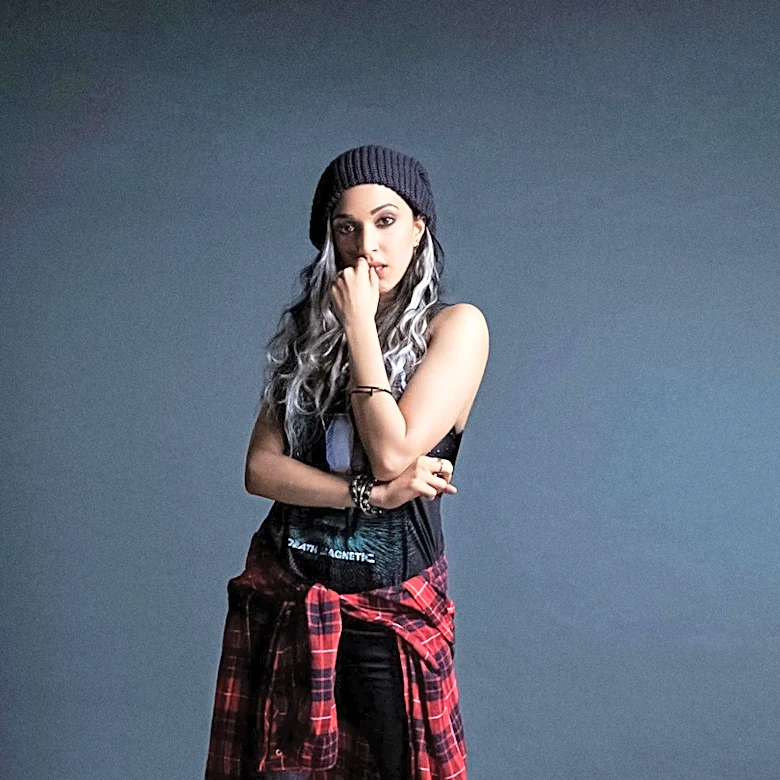
Punk fashion emerged in the early 1980s as a form of rebellion against the established norms of the previous decades. It was a direct response to the hippie movement and the materialistic values that were becoming prevalent. Punk style was characterized by its edgy and raw aesthetic, often featuring leather jackets, ripped clothing, and bold hairstyles. This fashion movement was not just about clothing; it was a statement against conformity and a celebration of individuality.
The punk movement was closely tied to the music scene, with bands like The Clash and The Sex Pistols leading the charge. Their influence extended beyond music, impacting fashion trends and inspiring a generation to embrace a more rebellious and non-conformist style. As the decade progressed, punk fashion continued to evolve, incorporating elements of street style and post-punk influences.
The Rise of Power Dressing
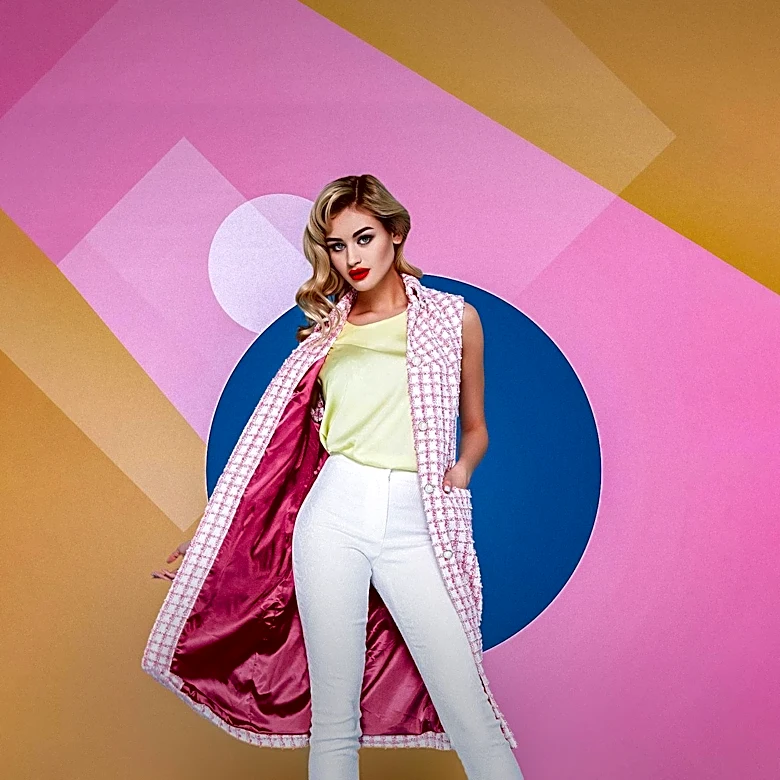
As the 1980s progressed, fashion began to shift towards a more polished and professional look, epitomized by the concept of power dressing. This trend was particularly popular among career-driven women who were entering the workforce in greater numbers. Power dressing was characterized by tailored suits, shoulder pads, and a focus on creating a strong and authoritative appearance.
The influence of television shows like "Dynasty" helped popularize this glamorous and sophisticated style. The high-volume bouffant hairstyles and bold makeup choices of the era complemented the power dressing trend, creating a cohesive and striking look. This shift in fashion reflected the changing roles of women in society and their increasing presence in professional environments.
Alternative Styles and Street Fashion
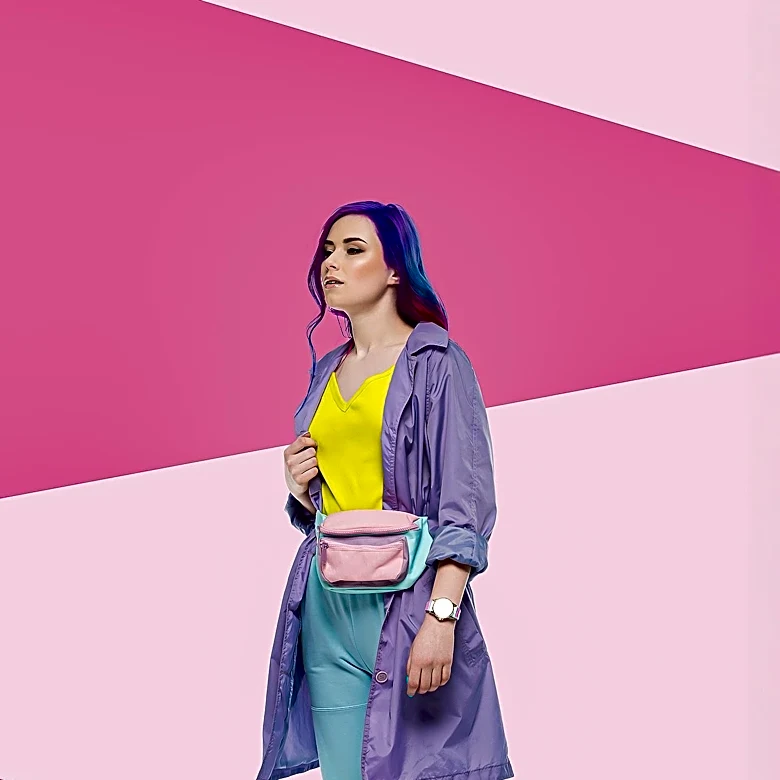
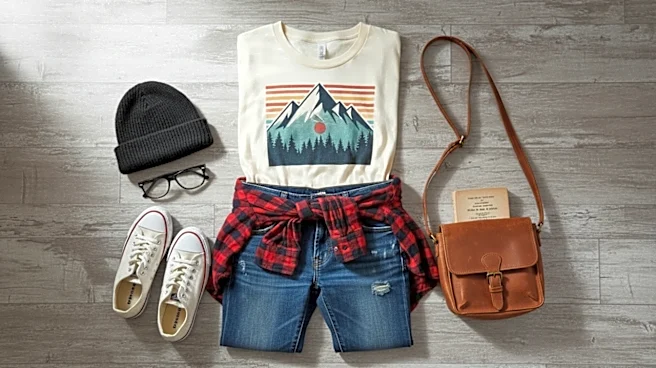
In addition to punk and power dressing, the 1980s also saw the rise of alternative styles and street fashion. These trends were characterized by their eclectic and diverse influences, drawing inspiration from various subcultures and artistic movements. Street style became a significant force in fashion, with its emphasis on individuality and self-expression.
Alternative fashion in the 1980s was marked by its bold use of color and unconventional designs. It was a time when fashion became a canvas for personal expression, allowing individuals to experiment with different looks and styles. This era of fashion was not just about following trends; it was about creating them and pushing the boundaries of what was considered acceptable.
The 1980s was a decade of transformation in the fashion world, marked by a dynamic interplay of styles and influences. From the rebellious spirit of punk to the polished sophistication of power dressing, the fashion of this era continues to inspire and influence designers and fashion enthusiasts today.