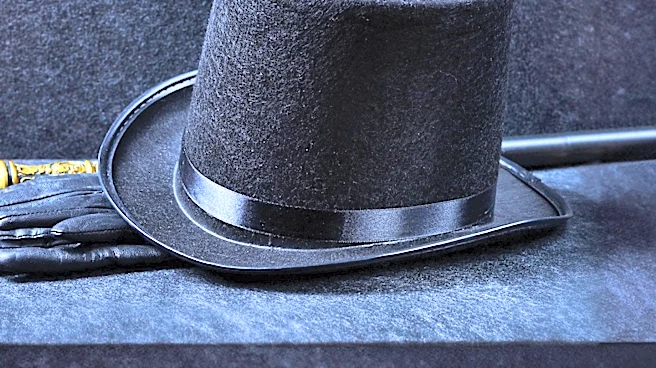








The top hat, a tall, flat-crowned hat, has long been associated with formal wear in Western dress codes. Emerging in the late 18th century, it became a symbol of sophistication and class. Although its popularity waned in the 20th century, the top hat remains a cultural icon, representing the upper class and capitalism. This article explores the historical development of the top hat and its enduring cultural significance.
Origins and Rise to Popularity
The top hat first appeared
in Western fashion by the end of the 18th century. It was traditionally made of black silk or sometimes grey, and was associated with formal attire such as white tie, morning dress, or frock coat. The introduction of the top hat marked the decline of the tricorne and bicorne hats, which had been popular in previous decades. By the early 19th century, the top hat had become a staple of city wear for the upper and middle classes across urban areas in the Western world.
During the 19th century, the top hat evolved in style, with variations such as the stovepipe and chimney pot hats. The stovepipe hat, popularized by Abraham Lincoln, featured mostly straight sides, while the chimney pot had slightly convex sides. The top hat reached its most extreme form in the 1840s and 1850s, with ever-higher crowns and narrow brims.
Decline and Cultural Symbolism
After World War I, the top hat's popularity began to decline as semi-formal and informal wear became more widespread. By the end of World War II, the top hat was largely confined to high society, politics, and international diplomacy. Despite its decline in everyday fashion, the top hat continued to be worn for formal occasions such as weddings, funerals, and horse racing events.
In popular culture, the top hat became a symbol of the upper class and capitalism. Satirists and political cartoonists often used the top hat to represent the oligarchy, as seen with characters like Rich Uncle Pennybags from the board game Monopoly. The top hat also forms part of the traditional dress of Uncle Sam, a symbol of the United States.
Modern Usage and Legacy
Today, the top hat is still worn for the most formal occasions, including certain audiences, balls, and horse racing events. It remains part of the formal dress of individuals in traditional British institutions, such as the Bank of England and certain City stock exchange officials. The top hat is also associated with stage magic, ever since the famous "Pulling a Rabbit out of a Hat" trick by Louis Comte in 1814.
The top hat's legacy endures as a cultural symbol, representing sophistication, class, and the world of business. Its historical significance and continued use in formal settings highlight its lasting impact on fashion and society.