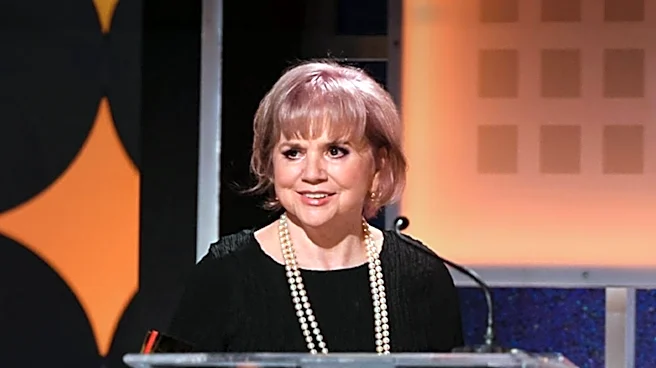








Linda Ronstadt's career is a testament to her versatility and passion for music. Born in Tucson, Arizona, in 1946, Ronstadt's musical journey spans several decades and genres, from rock and folk to country and soul. Her ability to adapt and excel in various musical styles has made her a beloved figure in the music industry. This article delves into the different phases of her career, highlighting her influences, achievements, and the legacy she leaves
behind.
Early Influences and Beginnings
Linda Ronstadt's musical roots can be traced back to her family home in Tucson, where music was a constant presence. Her father introduced her to traditional pop and the Great American Songbook, while her mother instilled in her a love for Gilbert and Sullivan. These early influences shaped her musical tastes and laid the foundation for her diverse career. By the age of 10, Ronstadt was already familiar with a wide range of music, including Mexican songs sung by her family.
At 14, Ronstadt formed a folk trio with her siblings, performing at local venues under various names. This early exposure to performing and recording set the stage for her future success. Her desire to blend folk music with rock 'n' roll led her to move to Los Angeles in 1964, where she began to make a name for herself in the music scene.
Breakthrough and Genre Exploration
Ronstadt's solo career took off with the release of her first album, "Hand Sown ... Home Grown," in 1969. This album is considered the first alternative country record by a female artist. Her second album, "Silk Purse," released in 1970, featured her first solo hit, "Long Long Time," earning her a Grammy nomination. Despite her success, Ronstadt faced criticism for her genre-crossing music, with some purists questioning her style.
Throughout the 1970s, Ronstadt continued to explore different musical genres, earning the title of "queen of country rock." Her ability to interpret and adapt songs from various genres, including rock, country, and pop, set her apart from her contemporaries. She was the first female artist to achieve four consecutive platinum albums, showcasing her widespread appeal and talent.
Legacy and Retirement
Linda Ronstadt's influence extends beyond her music. She played a significant role in reintroducing the Great American Songbook to a new generation, and her work in mariachi music highlighted her Mexican heritage. Her career was not without challenges, as she faced pressure to produce commercially successful hits. Despite this, she remained true to her artistic vision, often preferring non-hit album tracks.
In 2011, Ronstadt retired from singing due to health issues, later revealed to be related to Parkinson's disease. Her legacy, however, continues to inspire musicians and fans alike. Linda Ronstadt's career is a testament to her talent, resilience, and passion for music, leaving an indelible mark on the industry.