








While lithium-ion batteries have transformed technology, they also present significant safety and environmental challenges. These issues are critical as the demand for these batteries continues to grow. This article explores the safety concerns associated with lithium-ion batteries and their environmental impact, highlighting the need for ongoing research and innovation.
Safety Concerns and Advancements
Lithium-ion batteries are known for their high energy density, but this also makes
them susceptible to safety risks. One of the primary concerns is the potential for thermal runaway, which can lead to fires or explosions. This risk is exacerbated by factors such as overcharging, physical damage, or manufacturing defects.
To address these concerns, manufacturers have implemented various safety features, including current interrupt devices and thermal management systems. Research is also underway to develop safer battery chemistries, such as solid-state batteries, which eliminate the flammable liquid electrolyte. These advancements aim to enhance the safety of lithium-ion batteries, making them more reliable for widespread use.
Environmental Impact and Recycling
The production and disposal of lithium-ion batteries pose environmental challenges. The extraction of raw materials like lithium, cobalt, and nickel can lead to habitat destruction, water pollution, and significant carbon emissions. Additionally, improper disposal of used batteries can result in soil and water contamination due to the release of toxic substances.
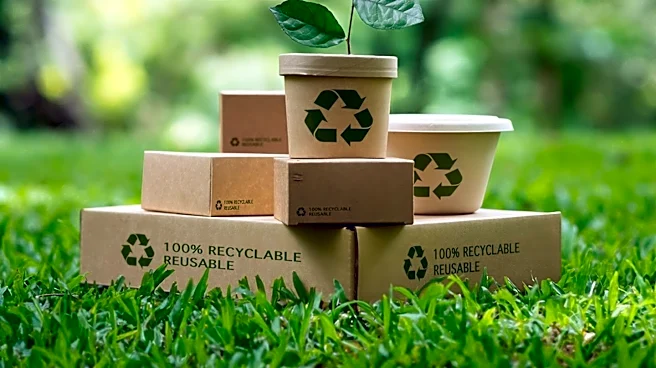
Recycling is a crucial strategy to mitigate these environmental impacts. By recovering valuable materials from used batteries, recycling reduces the need for new raw materials and minimizes waste. However, the current recycling rates for lithium-ion batteries are relatively low, and more efficient and cost-effective recycling processes are needed to improve sustainability.
Future Directions and Innovations
Addressing the safety and environmental challenges of lithium-ion batteries requires continued research and innovation. Efforts are being made to develop alternative materials and chemistries that are less harmful to the environment and pose fewer safety risks. For example, sodium-ion and iron-air batteries are being explored as potential alternatives to lithium-ion technology.
Moreover, advancements in battery management systems and recycling technologies are essential to ensure the safe and sustainable use of lithium-ion batteries. As the demand for these batteries grows, it is imperative to balance technological progress with environmental responsibility and safety considerations. By doing so, we can harness the full potential of lithium-ion batteries while minimizing their negative impacts.