





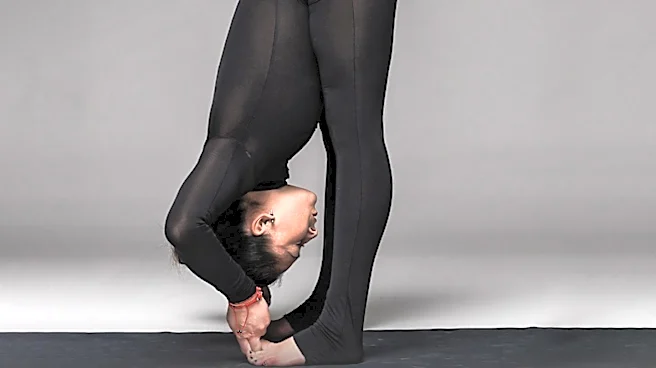



The calf muscle is a crucial part of human anatomy, playing a significant role in movement and stability. Located at the back portion of the lower leg, the calf muscle is composed of several muscles that work together to facilitate various functions. This article delves into the anatomy of the calf muscle, focusing on its structure and components.
The Structure of the Calf Muscle
The calf muscle is primarily made up of the gastrocnemius and soleus muscles, which together form the triceps
surae. These muscles are located in the posterior compartment of the leg. The gastrocnemius is the more superficial of the two, often visible beneath the skin, while the soleus lies deeper. Both muscles converge distally into the Achilles tendon, which attaches to the heel bone, known as the calcaneus.
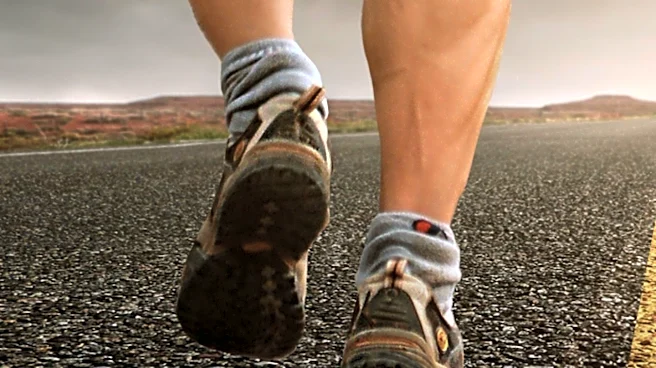
In addition to the gastrocnemius and soleus, the tibialis posterior muscle also contributes to the calf's structure. The sural nerve provides innervation to these muscles, ensuring their proper function. The calf muscle's anatomy is designed to support the body's weight and facilitate movement, making it essential for activities such as walking and running.
Functionality and Importance
The calf muscle plays a vital role in plantar flexion, which is the movement that increases the angle between the foot and the leg. This action is crucial for walking, running, and maintaining balance. The gastrocnemius muscle is particularly involved in fast movements like running and jumping, while the soleus muscle is more active during standing and walking.
The soleus muscle is known for its endurance, as it contains more red muscle fibers, which are slow-twitch fibers. These fibers allow the soleus to maintain prolonged contractions, essential for standing posture. In contrast, the gastrocnemius contains more white muscle fibers, which are fast-twitch fibers, enabling quick and powerful movements.
Clinical Significance
The calf muscle is prone to various conditions that can affect its function. Muscle spasms, which are involuntary contractions, can occur in the gastrocnemius, causing pain and discomfort. Additionally, the calf muscle can suffer from strains or tears due to excessive force or overuse, leading to significant pain and disability.
Inflammation of the calf muscle is another common issue, often resulting from overuse. Treatment typically involves anti-inflammatory medications and physical therapy, including heat, massage, and stretching exercises. Understanding the anatomy and function of the calf muscle is crucial for diagnosing and treating these conditions effectively.