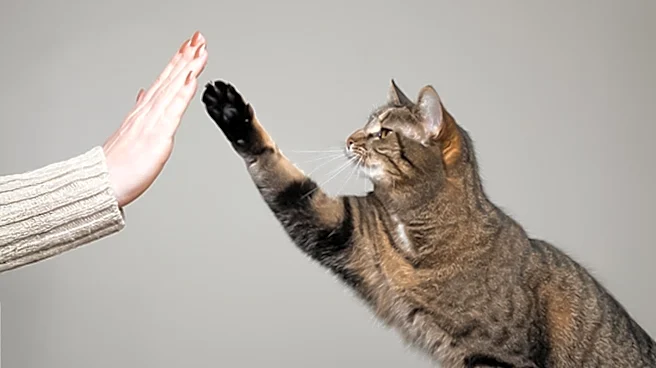








Animal-assisted therapy (AAT) is a versatile and complementary treatment approach that integrates animals into therapeutic interventions to enhance a patient's social, emotional, or cognitive functioning. This broad category of animal-assisted intervention encompasses various practices, including emotional support animals, service animals trained for daily activities, and animal-assisted activities. Studies have consistently documented positive effects
of AAT, observed through subjective self-rating scales and objective physiological measures like blood pressure and hormone levels, highlighting its potential across a wide range of conditions and settings.
The specific type of animal-assisted therapy can be categorized based on the animal involved, the target population, and how the animal is integrated into the treatment plan. While various animals have been utilized, canine-assisted therapy and equine-assisted therapy are among the most common forms. These therapies have demonstrated positive outcomes in numerous cases, addressing conditions such as post-traumatic stress disorder (PTSD), depression, anxiety, and even supporting victims of sexual abuse, individuals with dementia, and those on the autism spectrum. The adaptability of AAT allows its implementation in diverse environments, including hospitals, prisons, and nursing homes, where it aids in the therapy provided.
Beyond specific conditions, AAT has shown broader benefits for patient well-being. It can help reduce pain and physiological stress responses, such as decreasing blood pressure in hospitalized patients. Research conducted in both medical and palliative care settings has also indicated improvements in mood, reductions in anxiety levels, and overall enhancements in emotional health. These positive effects are often linked to increased patient comfort, greater engagement in treatment, and reduced stress during medical procedures. Animals can also serve as effective tools for educational and motivational purposes for participants in these programs.
Physiological effects of interacting with animals are also a key aspect of AAT's benefits. The biophilia hypothesis suggests that humans' innate connection to animals stems from an evolutionary dependence on animal signals for safety. Seeing animals at rest or in a peaceful state can signal safety and well-being, potentially fostering an environment conducive to personal change and healing. Studies have documented the release of six neurotransmitters that influence mood after interactions with animals lasting 15 minutes or more. Canine interventions, specifically, have been shown to decrease stress hormones like epinephrine and norepinephrine, while increasing pleasure-associated hormones such as dopamine and oxytocin, and can also lower blood pressure.
While AAT differs from animal-assisted education, which focuses on teaching and learning with animal support, its therapeutic goals are distinct. The overarching aim is to improve a patient's social, emotional, or cognitive functioning, making it a valuable tool in a holistic approach to care. The growing body of research continues to explore and validate the wide-ranging positive impacts of incorporating animals into therapeutic practices, underscoring their role in enhancing human health and quality of life.