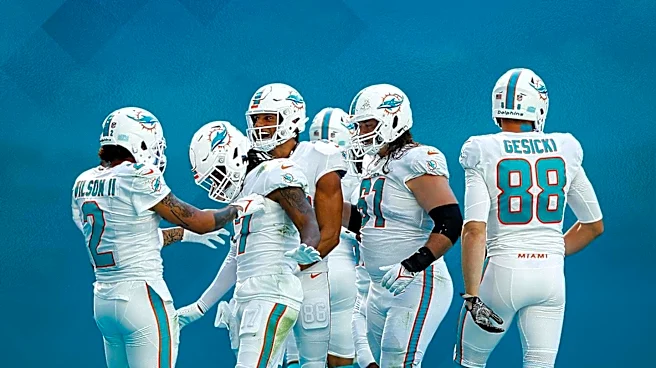


Don Shula's nearly three-decade tenure as head coach of the Miami Dolphins, from 1970 to 1995, stands as one of the most remarkable periods in NFL history. His leadership transformed a struggling expansion team into a perennial powerhouse, marked by two Super Bowl victories and the league's only perfect season. Shula's ability to adapt his coaching strategy to the strengths of his players, from a run-heavy offense to a dynamic passing attack, was
a hallmark of his success, cementing his legacy as a coaching legend.
The Genesis of a Dynasty: From AFL Struggles to Super Bowl Contenders
Before Shula's arrival, the Miami Dolphins were one of the AFL's least successful teams, never winning more than five games in any season between their founding in 1966 and the 1969 season. Shula's move to Miami in 1970 was not without controversy, as his hiring from the Baltimore Colts led to tampering penalties for the Dolphins. However, the investment quickly paid off. In his first season, Shula led Miami to a 10-4 record, a significant improvement. The following year, the team reached the AFC championship but ultimately lost Super Bowl VI to the Dallas Cowboys.
Shula's early Dolphins teams were built around a strong foundation of talent, including future Pro Football Hall of Famers like quarterback Bob Griese, fullback Larry Csonka, guard Larry Little, center Jim Langer, linebacker Nick Buoniconti, and wide receiver Paul Warfield. Shula acquired Warfield from the Browns in 1970, demonstrating his commitment to building a competitive roster. These teams were characterized by formidable offensive lines, a powerful running game featuring Csonka, Jim Kiick, and Mercury Morris, and effective quarterbacking from Griese and Earl Morrall. The defense, known as "The No-Name Defense," also boasted outstanding players such as defensive tackle Manny Fernandez, linebacker Nick Buoniconti, and safeties Dick Anderson and Jake Scott.
The Unblemished Season and Back-to-Back Championships
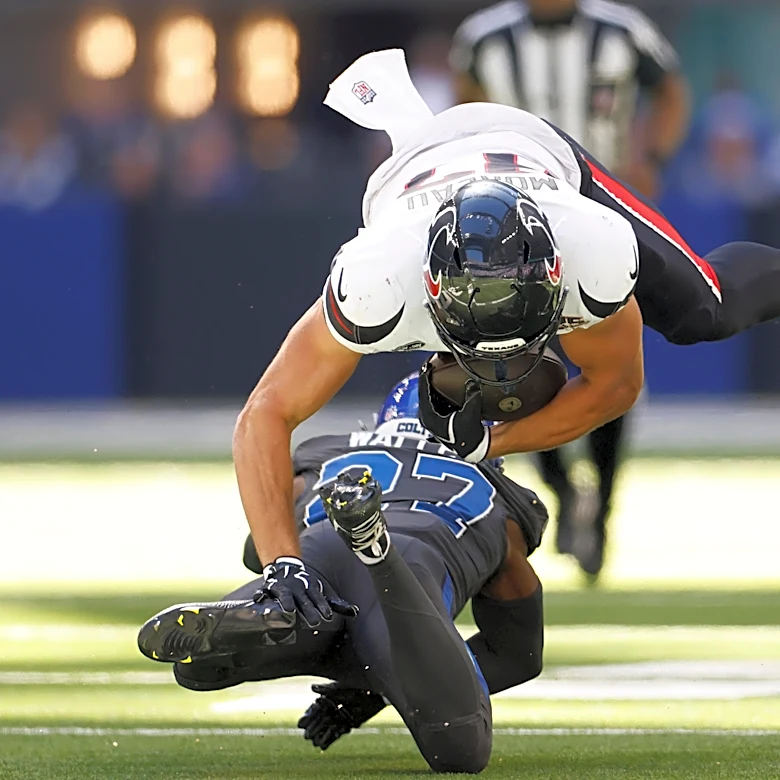
The pinnacle of Shula's coaching career came in 1972 when he guided the Dolphins to the NFL's first and only perfect season, finishing with a 17-0 record. This historic achievement culminated in a 14-7 victory over the Washington Redskins in Super Bowl VII. What makes this feat even more remarkable is that Shula accomplished it despite losing starting quarterback Bob Griese to injury in the fifth game of the season. Griese was replaced by 38-year-old Earl Morrall, who had previously been Shula's backup quarterback during his time in Baltimore. Griese eventually returned for the playoffs, leading the team to the Super Bowl win. That same season, Shula became the first American professional football coach to reach 100 wins within his first decade as a head coach.
The Dolphins' success continued into 1973. Although their overall winning streak, which had stretched to 18 games, was broken by a loss to the Oakland Raiders, the team still finished with an impressive 12-2 regular-season record. They went on to win their second consecutive Super Bowl, defeating the Minnesota Vikings 24-7 in Super Bowl VIII. The 1974 team had a chance for a third straight title but narrowly lost to the Oakland Raiders in an AFC divisional playoff game, a contest remembered for Ken Stabler's desperation pass, dubbed "The Sea of Hands" play. The team faced a significant challenge the following season with the departure of key players Csonka, Warfield, and Kiick to the World Football League, impacting their ability to maintain dominance.
Adapting to New Eras: From Run-First to Marino's Air Attack
Shula continued to lead the Dolphins to winning seasons throughout the late 1970s and into the 1980s, with only one losing record in 1976. The team made playoff appearances in 1978, 1979, and 1981, though they lost in the first round each time. The 1981 playoff loss to the San Diego Chargers, a thrilling double-overtime game known as the "Epic in Miami," is still considered one of the greatest games ever played, with Shula himself calling it "maybe the greatest ever."
The 1982 strike-shortened season saw Shula's team reach the Super Bowl again, but they lost to the Washington Redskins. This team featured a strong defense nicknamed the "Killer Bees" due to six starters whose last names began with "B." A new era began in 1983 with the drafting of quarterback Dan Marino. Marino quickly became the starter, and by 1984, the Dolphins were back in the Super Bowl, largely propelled by Marino's record-setting 5,084 passing yards and 48 touchdown passes. Despite Marino's heroics, they lost Super Bowl XIX to Joe Montana's San Francisco 49ers.
Shula's adaptability as a coach was evident in his willingness to change his strategy to fit his personnel. While his early Super Bowl teams relied on a run-first offense and a dominant defense, the Marino era saw the team lean heavily on its explosive passing attack. Shula famously stated in 1985 that he didn't try to force the style of one quarterback onto another, demonstrating his pragmatic approach to coaching. After the 1984 season, Shula's teams posted only one losing record and made several more playoff appearances, though they never returned to the Super Bowl. He retired in 1996, concluding a 33-season NFL coaching career with an all-time record of 328-156-6 in the regular season, solidifying his place as the winningest coach in NFL history.