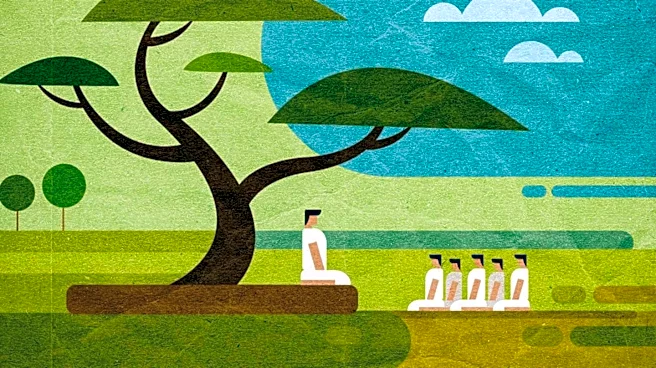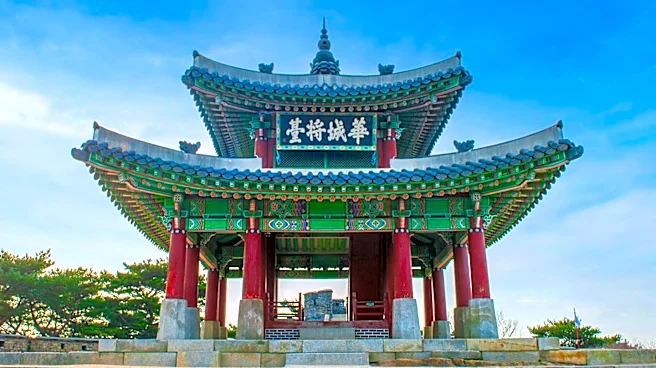


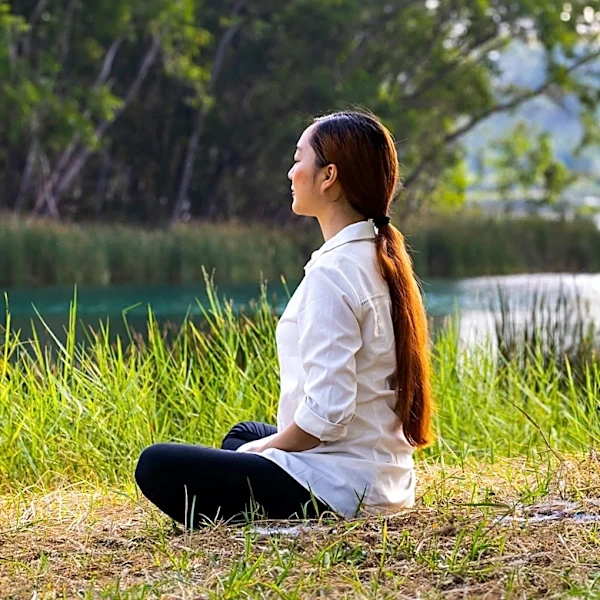






Korean Seon Buddhism, often referred to as Korean Zen, is a significant branch of Mahayana Buddhism that has evolved over centuries. Known for its emphasis on meditation, Seon Buddhism has become the most prevalent form of Buddhism in Korea, primarily represented by the Jogye and Taego orders. This article delves into the historical development of Seon Buddhism, highlighting its key milestones and evolution over time.
Early Development and Establishment
Seon Buddhism traces its roots
back to Chan Buddhism, which originated in China. The term "Seon" is the Korean pronunciation of "Chan," which itself is derived from the Sanskrit word "dhyāna," meaning meditation. By the eleventh century, Seon Buddhism had firmly established itself in Korea, distinguishing itself from the existing Five Schools that focused more on scriptural study. This period marked a significant shift towards meditation as a central practice, setting the stage for Seon's unique identity within Korean Buddhism.
During the Goryeo Dynasty (918–1392), Seon Buddhism faced tension with the scholastic schools, known as "gyo," which emphasized learning and study. Efforts were made to bridge the gap between these meditational and scholastic approaches, leading to a more integrated form of Buddhist practice in Korea. This integration was crucial in solidifying Seon's place in Korean religious life.
The Influence of Jinul
A pivotal figure in the development of Seon Buddhism was the Korean monk Jinul, who in 1205 partially accepted a meditative method from Chan Buddhism. Jinul introduced the doctrine of Sagyo Yiepseon, advocating for a life that transcends creeds and theories, focusing instead on innate understanding and meditation. His teachings emphasized the use of "hwadu," a short phrase used during meditation to ground oneself and witness the truth in everyday life.
Jinul's influence was profound, as he sought to harmonize the meditative practices of Seon with the doctrinal study of other Buddhist schools. This approach not only enriched Seon Buddhism but also helped it gain wider acceptance and prominence in Korea. Jinul's legacy continues to shape the practice and philosophy of Seon Buddhism today.
Modern Seon Buddhism
In contemporary times, Seon Buddhism remains a vibrant and influential tradition in Korea. The Jogye Order, as the largest sect, continues to uphold the meditative practices and teachings of Seon. The Taego Order, while smaller, also plays a significant role, maintaining traditional Buddhist rituals alongside Seon meditation.
Seon Buddhism's emphasis on meditation and direct experience of enlightenment has attracted practitioners from around the world. The tradition's adaptability and focus on personal insight have allowed it to thrive in modern society, making it a cornerstone of Korean spiritual life. As Seon Buddhism continues to evolve, it remains deeply rooted in its historical foundations, offering a path of meditation and self-discovery to its followers.