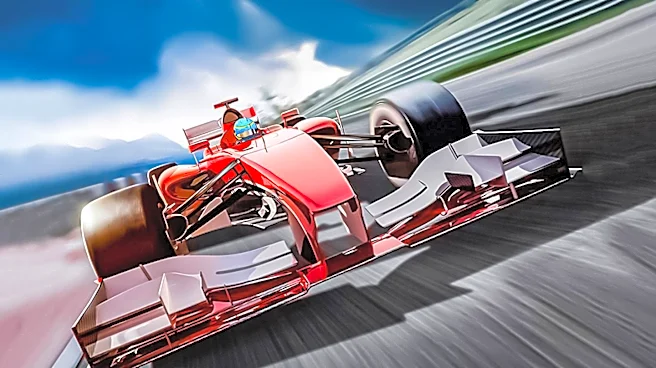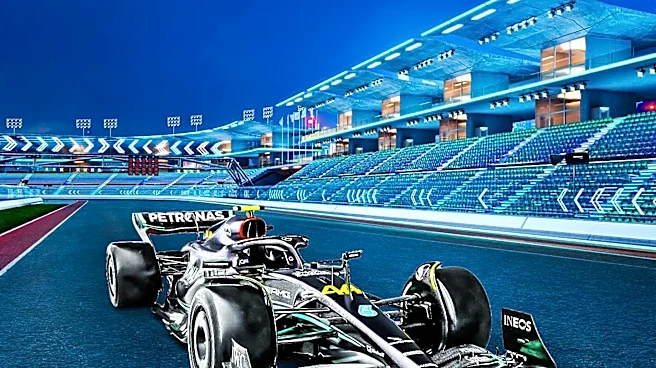

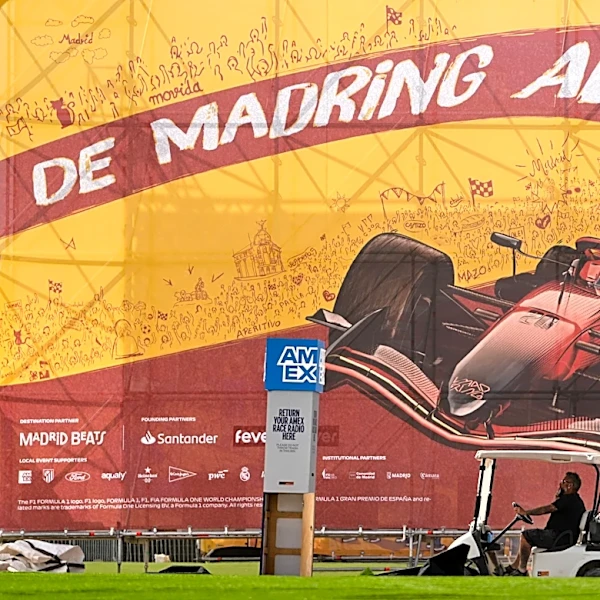





Grand Prix motor racing, a significant form of auto racing, has undergone a profound transformation since its inception, evolving from a series of nationalistic competitions into a globally recognized and governed sport. This evolution has been marked by the establishment of international governing bodies, the standardization of rules, and the emergence of iconic championships like Formula One. The journey from early 20th-century road races to today's
highly regulated events showcases a continuous drive towards organization, safety, and competitive excellence.
From National Races to International Oversight
The early days of Grand Prix motor racing, following the first event in 1906, were characterized by a fragmented landscape. Races were largely nationalistic affairs, with different countries organizing their own competitions. There was no overarching formal championship to tie these events together, and rules varied considerably from one race to another and across different nations. This period saw a focus on technical innovation, with cars often featuring large engines (10–15 liters) and requiring both a driver and a mechanic on board, the latter being the only one allowed to work on the car during the race.
This decentralized structure eventually gave way to a need for international coordination. The Association Internationale des Automobile Clubs Reconnus, initially founded in Paris on June 20, 1904, played a crucial role in this transition. This organization later reorganized in 1947 to become the Fédération Internationale de l'Automobile (FIA), headquartered in Paris. The FIA emerged as the primary governing body for Grand Prix motor racing, bringing much-needed structure and standardization to the sport on a global scale.
The Rise of Formula One and Modern Grand Prix Events
The establishment of the FIA paved the way for the creation of formal championships. Formula One, a prominent type of Grand Prix motor racing, stands as a testament to this organizational development. Each event within the Formula One World Championships is still referred to as a Grand Prix, and the entire championship is often colloquially known as "Grand Prix racing." This highlights the enduring legacy of the original Grand Prix concept, even as the sport became more specialized and globally integrated.
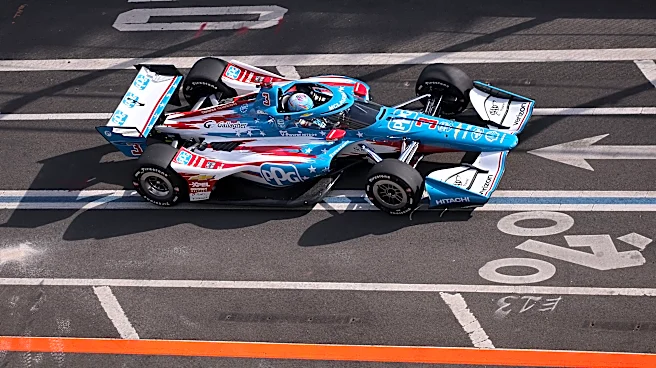
While Formula One is the most prominent, the term "Grand Prix" is not exclusively limited to it. Some IndyCar championship races, for instance, also carry the name "Grands Prix," indicating a broader application of the term within high-level auto racing. The concept of a Drivers' Championship, consisting of major Grands Prix in various countries (known as Grandes Épreuves), was instituted in 1931. This championship was competed annually until the outbreak of World War II in 1939, with the exceptions of the 1933 and 1934 seasons. This early championship foreshadowed the structured, season-long competitions that define modern Grand Prix racing, demonstrating a long-standing desire to crown a consistent champion across multiple significant events.