

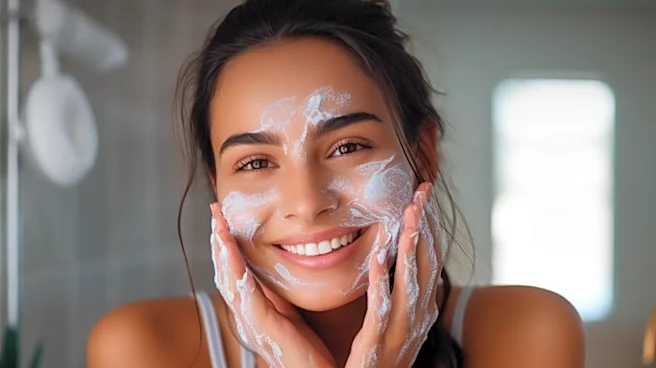
Exfoliation is a core practice in skincare, fundamentally designed to remove dead skin cells from the skin's surface. This process is crucial for promoting skin renewal, accelerating cell turnover, and ultimately rejuvenating the skin. By shedding the outermost layer of dead cells, exfoliation not only reveals fresher, healthier skin underneath but also plays a vital role in maintaining the skin's overall health and appearance. Understanding the science
behind these mechanisms can help individuals make informed choices about their skincare routines.
Promoting Skin Regeneration and Cell Turnover
The primary benefit of exfoliation lies in its ability to promote skin regeneration. Our skin naturally regenerates, with cells typically turning over every 30 days. Exfoliation aids this natural process by physically or chemically assisting in the removal of the stratum corneum, the outermost layer of the epidermis composed of dead skin cells. When these dead cells accumulate, they can make the skin appear dull, rough, and uneven.
Chemical exfoliants, such as glycolic acid and salicylic acid, work by causing a controlled destruction of the epidermis. This controlled damage triggers the skin's natural healing response, leading to the production of new, healthy skin cells and subsequent rejuvenation. Similarly, mechanical exfoliation, through gentle scrubbing, physically dislodges these dead cells, allowing the newer cells beneath to come to the surface more readily. This consistent removal of old cells and encouragement of new cell growth contributes to a smoother, more radiant complexion.
Enhancing Product Absorption and Skin Texture
Beyond regeneration, exfoliation significantly enhances the skin's ability to absorb other skincare products. By removing the barrier of dead skin cells, active ingredients in serums, moisturizers, and treatments can penetrate more deeply and effectively into the skin. For instance, microdermabrasion has been shown to enhance skin penetration by skincare products and medications by up to 10-50%. This means that the beneficial compounds in these products can reach their target cells more efficiently, maximizing their intended effects.
Furthermore, exfoliation plays a key role in improving skin texture. Procedures like dermaplaning, which removes the top layer of dead skin cells and vellus hair (peach fuzz), result in a smoother skin surface. This improved texture not only feels softer to the touch but also allows makeup and self-tanning products to apply much more smoothly and evenly. Regular exfoliation can also help diminish the appearance of fine lines, wrinkles, and shallow acne scars, contributing to a more refined and even skin tone.
Addressing Common Misconceptions and Cautions
Despite its benefits, there are common misconceptions and important cautions associated with exfoliation. For example, a frequent concern with dermaplaning is that vellus hair will grow back thicker and darker, resembling a beard. However, specialists deny this, stating that the removal of dead skin and peach fuzz does not impact the growth, color, or texture of facial hair. It's important to note that exfoliation, particularly microdermabrasion, makes the skin more sensitive to sun exposure, necessitating consistent use of sunscreen and sun avoidance after treatment.
Over-exfoliation is another critical concern, as it can lead to irritation and damage to the skin barrier. This can manifest as redness, dryness, and increased sensitivity. Careful routine design and product selection, such as opting for micro-dosed acid formulations, are essential to prevent such issues. For individuals with inflammatory acne, exfoliation should be approached with caution, and a dermatologist should be consulted, as it can potentially worsen the condition.