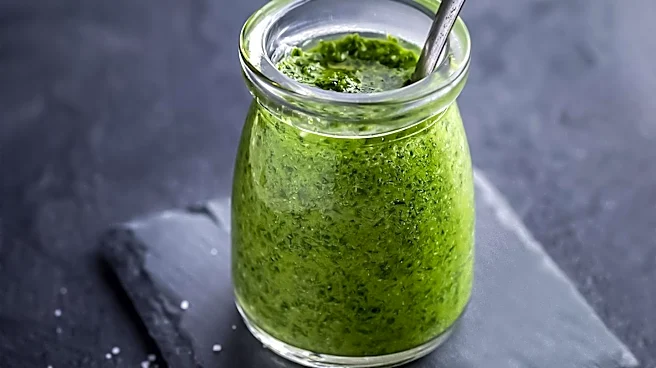






Chimichurri, an uncooked sauce, holds a significant place in the culinary traditions of Argentina and has since spread its influence across much of Latin America. Primarily known as a condiment for grilled meats, it also serves as an ingredient in cooking. This versatile sauce is characterized by its vibrant flavors, derived from a blend of fresh herbs, garlic, and vinegar. Its widespread adoption speaks to its appeal and adaptability in various regional
cuisines, making it a staple in many households and restaurants throughout the continent.
The Argentinian Roots and Core Ingredients
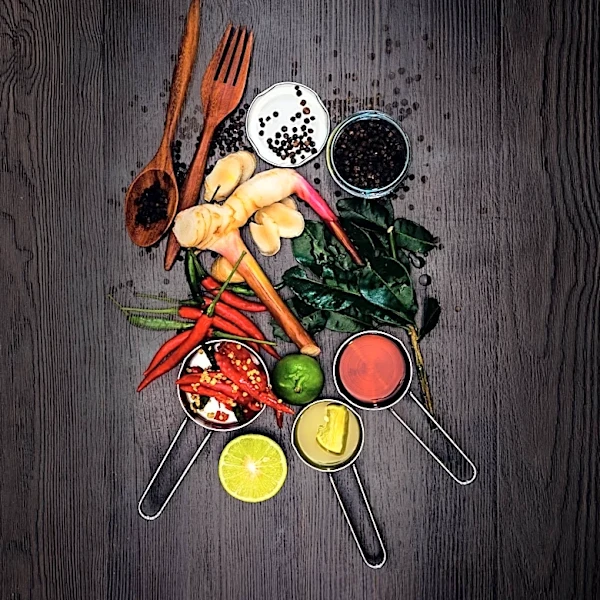
Originally hailing from Argentina, chimichurri is deeply embedded in the country's food culture, particularly in conjunction with grilled meats, a practice central to Argentinian cuisine. The fundamental composition of chimichurri includes finely chopped flat-leaf parsley, minced garlic, olive oil, oregano, and either red wine vinegar or lemon juice. Chili peppers are also a key component, adding a subtle or pronounced heat depending on the preparation.
This combination of ingredients creates a sauce that is both fresh and pungent, designed to complement the rich flavors of grilled beef. The balance of acidity from the vinegar or lemon juice, the herbaceous notes of parsley and oregano, and the sharp kick of garlic and chili peppers makes it an ideal accompaniment. While its primary association is with Argentina, its popularity quickly extended to neighboring countries like Uruguay, Paraguay, and Brazil, where it became an integral part of their culinary landscapes.
Varieties and Regional Adaptations
Chimichurri typically appears in two main varieties: green (chimichurri verde) and red (chimichurri rojo). The green version is perhaps the most common and is characterized by its fresh, herbaceous profile, largely due to the prominent use of parsley. The red variety often incorporates more chili peppers, contributing to both its color and a spicier flavor profile. These variations allow for different culinary applications and cater to diverse taste preferences.
Beyond its traditional use with grilled meats, chimichurri has found its way into other dishes and regional adaptations. For instance, in the Dominican Republic, the term "chimichurri" or "chimi" refers to a specific type of hamburger. This Dominican chimichurri burger is topped with chopped cabbage and salsa golf, showcasing a distinct departure from the Argentinian sauce. This highlights how a culinary term can evolve and take on new meanings in different cultural contexts, even if the original sauce is not directly involved.
Beyond the Grill: Other Culinary Uses
While its fame largely stems from its role as a table condiment for grilled meats, chimichurri's versatility extends further. It is also used as an ingredient within cooking, suggesting it can be incorporated into marinades, dressings, or other preparations to infuse dishes with its characteristic flavor. This dual function as both a finishing sauce and a cooking component underscores its importance in Latin American kitchens.
Another interesting regional interpretation comes from the cuisine of León, Mexico. Here, "chimichurri" refers to a pizza topping, a stark contrast to its South American origins. This Mexican version is described as a dressing with an orange hue, made from mayonnaise, mustard, chile de árbol, white vinegar, garlic, oil, and salt. This particular chimichurri is very popular in León, demonstrating how a name can be adopted and applied to entirely different culinary creations, reflecting local tastes and available ingredients. These diverse applications illustrate the broad impact and adaptability of the concept of a flavorful, herb-based sauce across various Latin American culinary traditions.