


The 1937 World Series marked another significant chapter in the storied rivalry between New York's two dominant baseball teams, the Yankees and the Giants. This particular series saw the New York Yankees emerge victorious, defeating the New York Giants in a decisive five games. This win not only secured another championship for the Yankees but also extended their historical advantage over the Giants in World Series play, establishing a 3-2 edge in overall
series matchups between the two clubs.
Yankee Dominance in the Series
The Yankees' performance in the 1937 World Series was a testament to their strength and consistency during that era. They clinched the series in just five games, showcasing their ability to overpower their crosstown rivals. This victory was a culmination of a remarkable season for the Yankees, who finished with an impressive record of 102 wins and 52 losses, securing their ninth pennant. Their dominance in the American League was clear, as they finished a substantial 13 games ahead of the second-place Detroit Tigers.
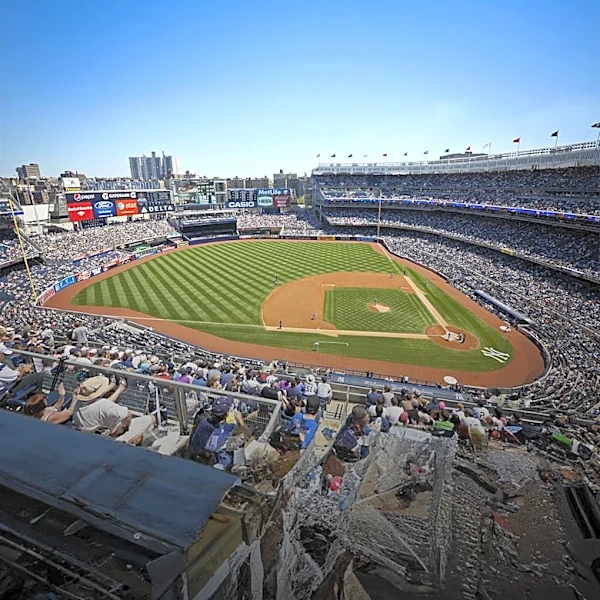
Under the leadership of manager Joe McCarthy, the Yankees played their home games at the iconic Yankee Stadium. The team's success in 1937 further solidified their reputation as a baseball powerhouse, adding another World Series title to their growing collection. The swift conclusion of the series in five games underscored the Yankees' superior play and strategic execution against the Giants.
Key Players and Managerial Leadership
The 1937 Yankees roster featured a lineup of legendary players who contributed significantly to their success. While specific individual statistics for the series are not detailed, the team's overall performance indicates a collective effort from its stars. The presence of players like Lou Gehrig and Joe DiMaggio, though not explicitly mentioned in the context of this specific series' individual game details, were integral to the Yankees' sustained excellence during this period.
Manager Joe McCarthy played a crucial role in guiding the team to its ninth pennant and subsequent World Series victory. His leadership and strategic decisions were instrumental in maintaining the Yankees' high level of play throughout the season and into the championship series. McCarthy's tenure with the Yankees was marked by consistent success, and the 1937 season was a prime example of his managerial prowess, leading the team to another dominant performance.
Yankee Stadium's Evolving Landscape
Beyond the on-field action, the 1937 season also brought notable changes to Yankee Stadium itself. Significant renovations were undertaken, with concrete bleachers replacing the older wooden structures. These changes had a direct impact on the playing field, particularly in the outfield dimensions. The "Death Valley" area in left-center and center field, known for its vastness, was considerably reduced.
Despite this reduction, the area remained a formidable challenge for right-handed power hitters, including the likes of Joe DiMaggio. These structural modifications to the stadium reflected the ongoing evolution of baseball facilities and the continuous effort to enhance the fan experience and playing conditions. The changes in 1937 were part of the stadium's history, adapting to the needs of the game and its players.