







Ratatouille is more than just a vegetable dish; it is a culinary emblem of the Provence region in southern France, particularly linked to the city of Nice. Its origins are deeply embedded in the practicalities of rural Provençal cuisine, where the abundance of summer produce necessitated resourceful cooking methods. This traditional dish, often referred to as "ratatouille niçoise," embodies the essence of Mediterranean cooking through its reliance
on fresh, seasonal ingredients, olive oil, and aromatic herbs. Understanding ratatouille means understanding a significant aspect of Provençal culinary heritage.
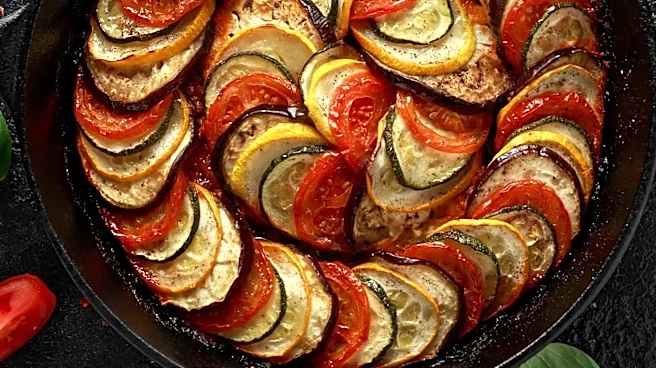
At its core, ratatouille is a stew or sauté of seasonal summer vegetables cooked in olive oil. The primary ingredients typically include tomatoes, onions, courgette (zucchini), aubergine (eggplant), and bell peppers. These are often complemented by garlic, marjoram, fennel, basil, or bay leaves and thyme, creating a rich tapestry of flavors characteristic of the region. The development of this specific combination of ingredients was a gradual process, influenced by the introduction of New World produce and the established culinary practices of Provence.
The Evolution of Key Ingredients
The vegetables central to modern ratatouille, such as tomatoes, peppers, and squash, were not indigenous to France. They were introduced after the 16th century following European contact with the Americas. It took considerable time for these ingredients to gain acceptance in French diets, becoming widely used only in the 18th and 19th centuries. Aubergine, while also an introduced ingredient, had a longer history in southern France, having arrived earlier through Mediterranean culinary influences. Once these diverse vegetables became commonplace in Provence, they were naturally combined with the region's abundant olive oil, onions, garlic, and local herbs, forming the basis of the vegetable stews that would evolve into ratatouille.
While vegetable stews had been a staple in Provence for centuries, the specific, codified recipe for what we now recognize as modern ratatouille is a more recent development. Historical records suggest that a fully developed recipe featuring the now-standard combination of aubergines, tomatoes, courgettes, and peppers did not appear in printed cookbooks until the late 19th or early 20th century. Before this, preparations varied widely, reflecting the improvisational nature of home cooking based on available produce. The first printed modern version of ratatouille is noted to appear in 1930, marking its consolidation as a distinct dish.
Preparation Methods and Regional Identity
By the early 20th century, ratatouille's association with Nice and its surrounding region solidified. Regional cookery texts from this period highlight variations in preparation, particularly concerning how the vegetables are cooked. Some methods involve cooking all the vegetables together in a stew, allowing their flavors to meld from the outset. Other approaches suggest sautéing the vegetables separately before combining them, a technique that can preserve individual textures and flavors more distinctly. These variations underscore the flexibility within traditional Provençal cooking while maintaining the core identity of the dish.
The inclusion of ratatouille in major culinary reference works during this era was pivotal. It elevated the dish from a local specialty to a recognized component of French cuisine, contributing to its codification and facilitating its recognition beyond its regional origins. This formal acknowledgment helped cement ratatouille's status as a quintessential Provençal dish, celebrated for its vibrant flavors and its connection to the sun-drenched landscapes and rich agricultural bounty of southern France.