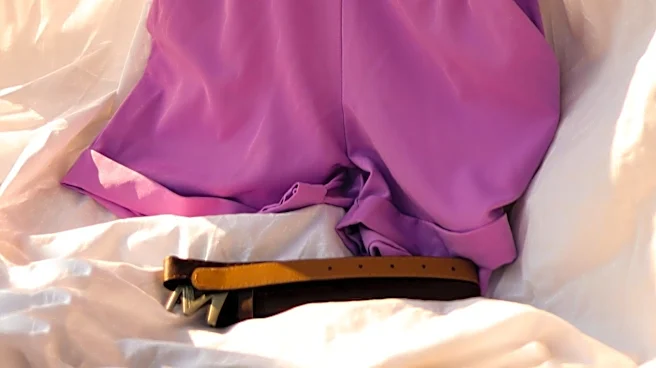







The romper suit, often simply called a romper, is a distinctive one-piece or two-piece garment that combines shorts with a shirt. Also known as a playsuit, this attire is characterized by its generally short sleeves and legs, setting it apart from the longer limbs typically found on an adult jumpsuit. While commonly associated with children, the romper has a rich history that includes periods of significant popularity among adults, evolving from a revolutionary
piece of children's wear to a versatile fashion item that has seen multiple resurgences. Its journey reflects changing attitudes towards comfort, practicality, and style across different eras.
Early Origins as Children's Casual Wear
The romper emerged as one of the first truly modern casual garments designed for children. Its introduction marked a significant departure from the more restrictive clothing styles that children were expected to wear during the 19th-century Victorian era. Before the romper, children's attire often mirrored adult fashion, featuring elaborate designs, multiple layers, and tight-fitting elements that limited movement and comfort. The romper, by contrast, was celebrated for being light and loose-fitting, offering unparalleled freedom for play and activity. This emphasis on comfort and practicality made it an instant hit for active youngsters.
The adoption and styling of rompers varied considerably from one country to another. For instance, in France, rompers were, for many years, exclusively worn by boys. While primarily conceived as a garment for play, some French children also wore dressier versions of rompers for more formal occasions. This early period established the romper's foundational identity as a garment that prioritized ease of movement and a less formal aesthetic, laying the groundwork for its future evolution in fashion.
The Mid-Century Boom and Innovation
The mid-20th century marked a significant period for the romper, with its popularity reaching a peak in the 1950s. During this decade, rompers were widely embraced not only by children as everyday playwear but also by women, who adopted them as fashionable leisurewear and beachwear. This expansion into adult fashion showcased the garment's versatility and its ability to adapt to different social contexts and needs. The 1950s saw the romper become a symbol of relaxed style and summer fun for a broader demographic.
A notable innovation during this era was the invention of the classic and basic baby romper, known locally as "pilucho," by Chilean fashion designer Susana Duniau Loyer in 1952. This design was patented in Chile, and its name, "pilucho," which is local slang for "nude," reflected its purpose of being worn close to the skin. Loyer's intention was twofold: to help hold a diaper more securely and to provide an additional layer of clothing to keep babies warm. By the 1970s, the prototype of this item had been imported into the United States and Europe, quickly becoming a popular basic layer for infants due to its practical design and comfort.
Shifting Trends and Modern Revival
Following its peak in the 1950s, the romper's prevalence began to shift. While it continued to be a staple for infants and toddlers, its use among older girls and women became less common. Despite this decline in widespread adult fashion, the romper never entirely disappeared from the style landscape. It maintained a niche presence, occasionally resurfacing in specific fashion trends or remaining a favored item for certain leisure activities. This enduring quality speaks to the fundamental appeal of its design.
The late 2010s witnessed a significant and widespread return of the romper to mainstream fashion. This revival included both the romper dress and the traditional romper with shorts, and it spanned across all age groups. From kids to tweens, teens, college students, and even older adults, the romper once again became a popular and fashionable choice. This modern resurgence highlights the garment's timeless appeal and its adaptability to contemporary style preferences, cementing its place as a versatile and enduring piece in the history of clothing.